Summer reading doesn’t usually fail because kids “can’t read.”
It fails because reading gets quietly replaced by everything else. Screens, sports, travel, sleepovers, late nights, and the general freedom of being out of school. Books start to feel optional instead of exciting, and suddenly even strong readers are picking up fewer and fewer pages.
The goal isn’t to recreate school at home. It’s to make reading feel like something kids choose because it’s fun, not something they’re told to do.
Fun reading games can completely change the experience.
When reading turns into play (something interactive, social, and a little unpredictable) kids stop treating it like a task. They start treating it like a challenge, a story world they can step into, or even a competition they want to win.
These reading comprehension games are designed for 2nd-6th graders, but they’re flexible enough to grow with your child. A 2nd grader might need more support and simpler prompts, while a 6th grader can run with deeper analysis and creativity.
Either way, the goal stays the same: keep kids reading without it feeling like “practice.”
At Bakken Books, we’ve seen how quickly reading confidence grows when kids are engaged instead of pressured. So, here are five awesome reading games that actually make kids want to open a book this Summer.
1. Story Detective Scavenger Hunt (Turn Every Book Into a Mission)
If there’s one game that consistently works across multiple ages, it’s this one. The “Story Detective” game turns reading into a mission-based experience where kids actively hunt for clues inside the story.
Before your child starts reading, you set up a simple “case file.” It can be as basic as a sticky note or a printable page. The idea is that they’re detectives collecting evidence as they read.
Instead of just reading a chapter, they’re looking for specific things like:
-
A moment when a character’s feelings change
-
A clue that hints at future events
-
A problem that hasn’t been solved yet
-
A decision that could change the direction of the story
-
A word they don’t know but can figure out from context
What makes this one of the most effective reading games for 2nd grade through 4th grade is how naturally it slows kids down. Instead of racing through pages, they begin reading with intention.
For older kids (5th-6th grade), you can raise the challenge by asking them to find “hidden meaning” or author intent—why did the author choose this moment? What is being implied but not directly said?
This game is one of the best reading comprehension games because it shifts kids from passive reading into active thinking. They’re no longer just following a story. They're investigating it.
2. Roll-a-Story: The Imagination Builder Game
Kids don’t just need to understand stories. They need to interact with them. Roll-a-Story is one of those fun reading games that blends reading comprehension with creativity.
You’ll need a few dice or a simple set of written prompts. Each roll or draw adds a new layer to storytelling.
For example:
-
Character emotion: surprised, frustrated, excited, scared
-
Setting: forest, school cafeteria, spaceship, beach, library
-
Problem: missing item, argument, unexpected visitor, broken object
-
Twist: storm hits, secret revealed, time jump, character disappears
After reading a chapter or short section, the child rolls and has to retell or predict the story using the new elements.
This works well for reading games for 3rd grade because kids at that age are developing stronger narrative thinking. They understand cause and effect but still love imaginative play.
For 4th-6th graders, you can extend the game by having them rewrite a scene entirely using the rolls or even create alternate storylines.
And because it feels like play, not work, kids tend to stay engaged much longer than with traditional solo reading.
3. Character Interview: Step Into the Story
If you want one of the most naturally engaging reading comprehension games, this is it. The character interview game turns your child into a journalist and the book’s character into a real person.
After reading, your child picks a character and begins an interview. You can act as the character, or they can answer as if they are the character themselves.
The questions might sound like:
-
Why did you make that decision?
-
What were you thinking in that moment?
-
What would you do differently now?
-
What are you most afraid will happen next?
-
Who do you trust the most, and why?
For younger kids (especially those using reading games for 2nd grade), you can guide the conversation with simple prompts and help them “hear” what the character might say.
For older students, especially 4th graders and beyond, the depth can increase. You can challenge them to justify answers using evidence from the text, or even identify contradictions in a character’s behavior.
What makes this game so effective is that it forces perspective-taking. Kids stop thinking of characters as flat figures in a book and start seeing them as real people with motivations, fears, and internal conflict.
Plus, kids usually find it hilarious when adults “become” characters and answer in exaggerated voices. That emotional engagement is exactly what helps stories stick.

4. Reading Bingo (But Make It a Summer Challenge)
Reading Bingo works because it doesn’t feel like a single task. It feels like a long-term challenge. Instead of “read this book,” it becomes “complete the board.”
You create a bingo grid filled with reading-based challenges, such as:
-
Read outside for 15 minutes
-
Finish a chapter in one sitting
-
Read a book with a map in it
-
Read to a sibling or pet
-
Find a word you don’t know and figure it out
-
Read a book set in another country or time period
-
Read a book recommended by a friend
This is one of the most adaptable reading games, because it works across all skill levels. A 2nd grader might focus on simple completion tasks, while a 6th grader might focus on genre variety or deeper comprehension tasks.
It also introduces variety, which is often missing in summer reading routines. Instead of rereading the same type of book, kids begin branching out naturally.
You can even add small rewards for completed rows, but often the real motivation comes from progress itself. Kids love seeing their board fill up.
5. Change the Ending (Creative Thinking + Comprehension)
This game might feel simple, but it’s one of the best tools for deeper understanding. Once a child finishes a story (or even a single chapter) they are challenged to rewrite the ending.
But there’s a rule: they have to stay true to the original story’s logic and characters.
That means they can’t just randomly change everything. They have to understand what’s already happened first.
You can prompt them with ideas like:
-
What if the main character made a different choice earlier?
-
What if the problem wasn’t solved the usual way?
-
What if a new character arrived at the end?
-
What if the ending shifted into a different genre (mystery, action, adventure)?
If a child doesn’t understand the story, they can’t change it meaningfully. That naturally pushes them to reread, reflect, and think more deeply. And because there’s no single correct answer, kids feel free to experiment. That freedom is what turns reading into something expressive instead of restrictive.
You’ll often find that kids start noticing things they missed the first time through simply because they’re thinking about how to change the story.
Why These Reading Games Work So Well in Summer
Summer reading doesn’t need to be structured like school.
In fact, it works better when it isn’t.
What kids really respond to is:
-
Choice instead of assignment
-
Interaction instead of repetition
-
Creativity instead of memorization
-
Challenge instead of pressure
These awesome reading games combine all four. They turn reading into something active instead of passive, and that shift is what keeps kids engaged long enough to build confidence and excitement.
Kids who feel successful with reading are far more likely to continue reading on their own.
That confidence is what carries into the school year.
Bring Reading Games into your Summer Plans with Bakken Books
If your goal this summer is to keep kids reading without constant reminders or battles, you don’t need a complicated system. You just need a few repeatable, engaging reading games for kids that make books feel alive.
When reading becomes part of play instead of obligation, kids naturally spend more time with books.
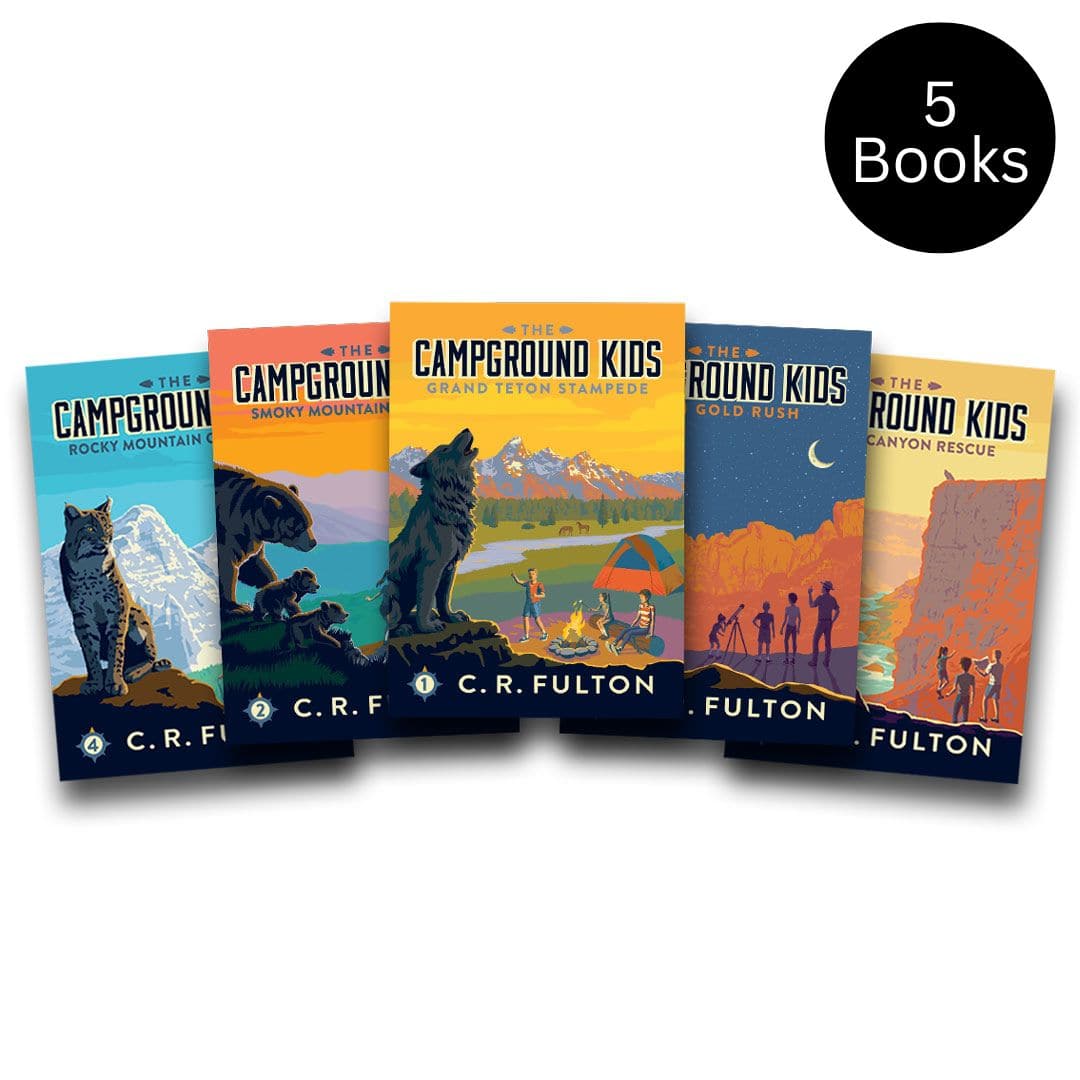
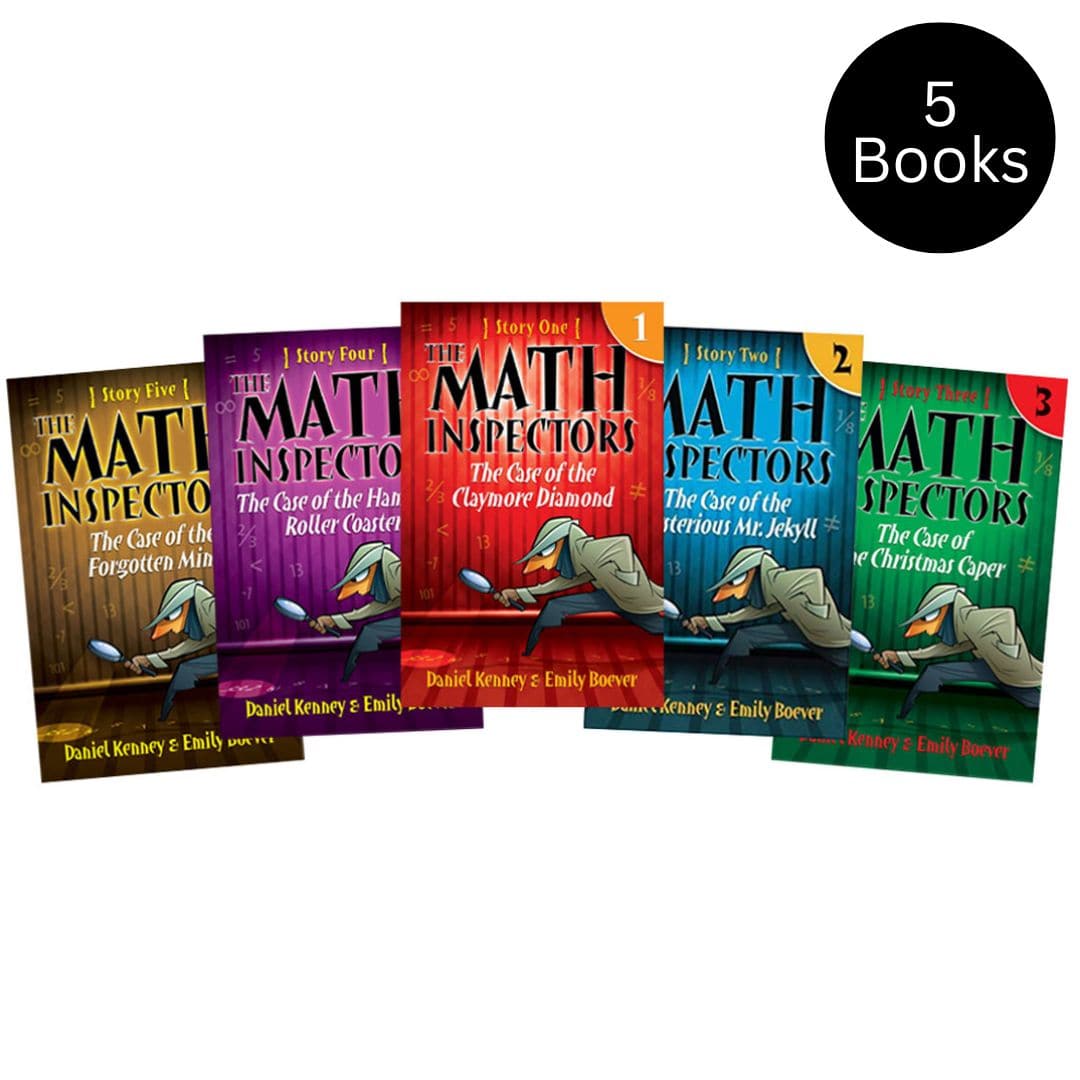
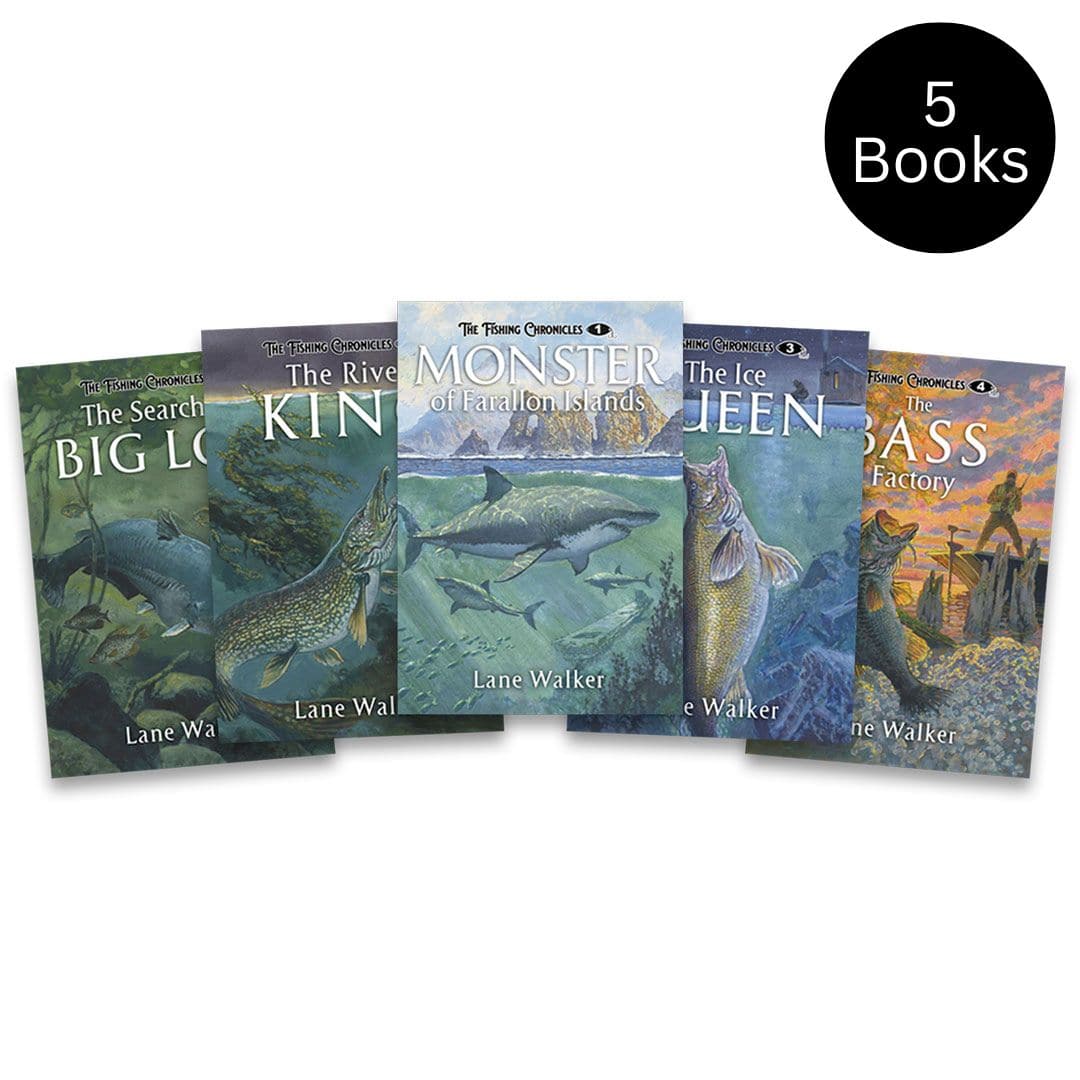
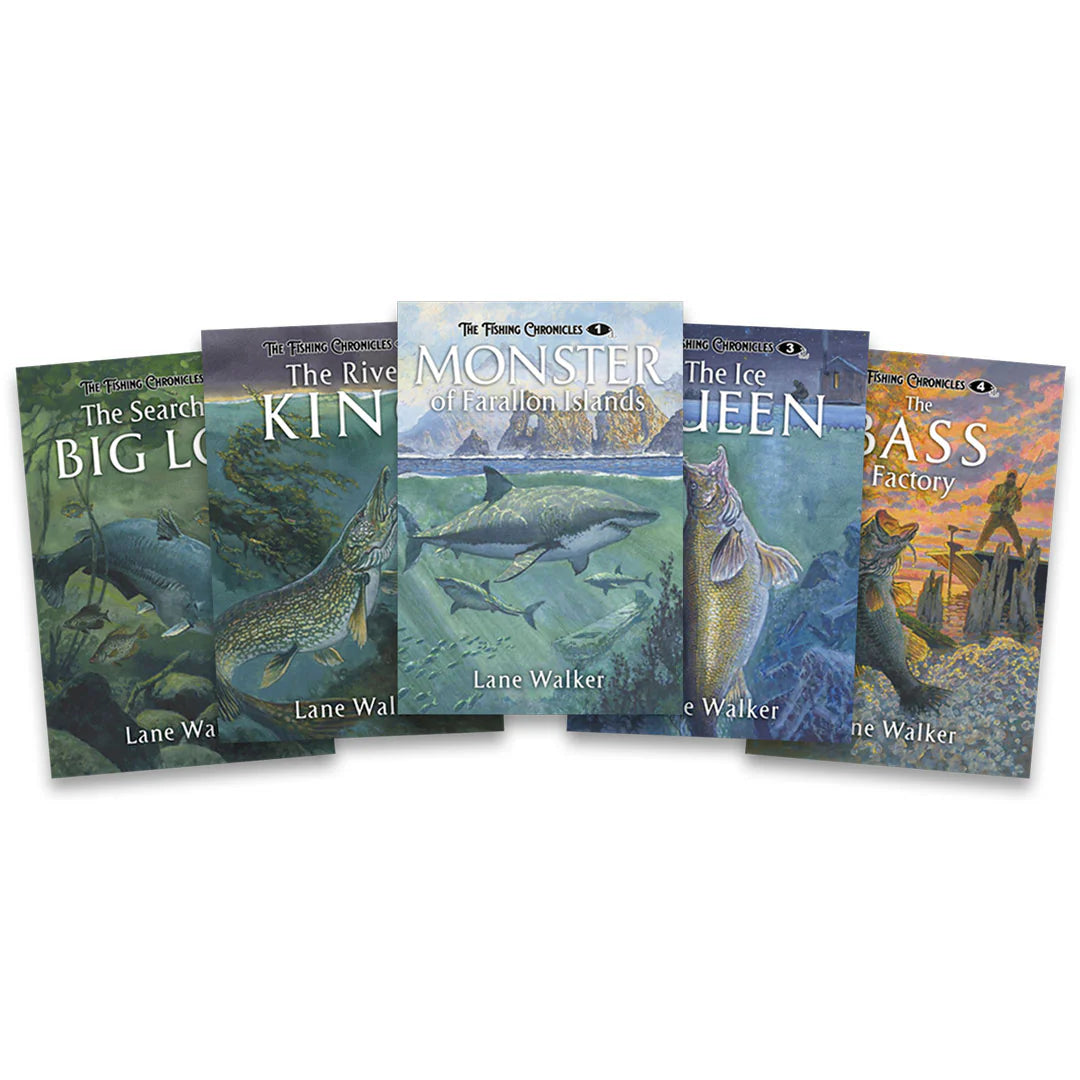
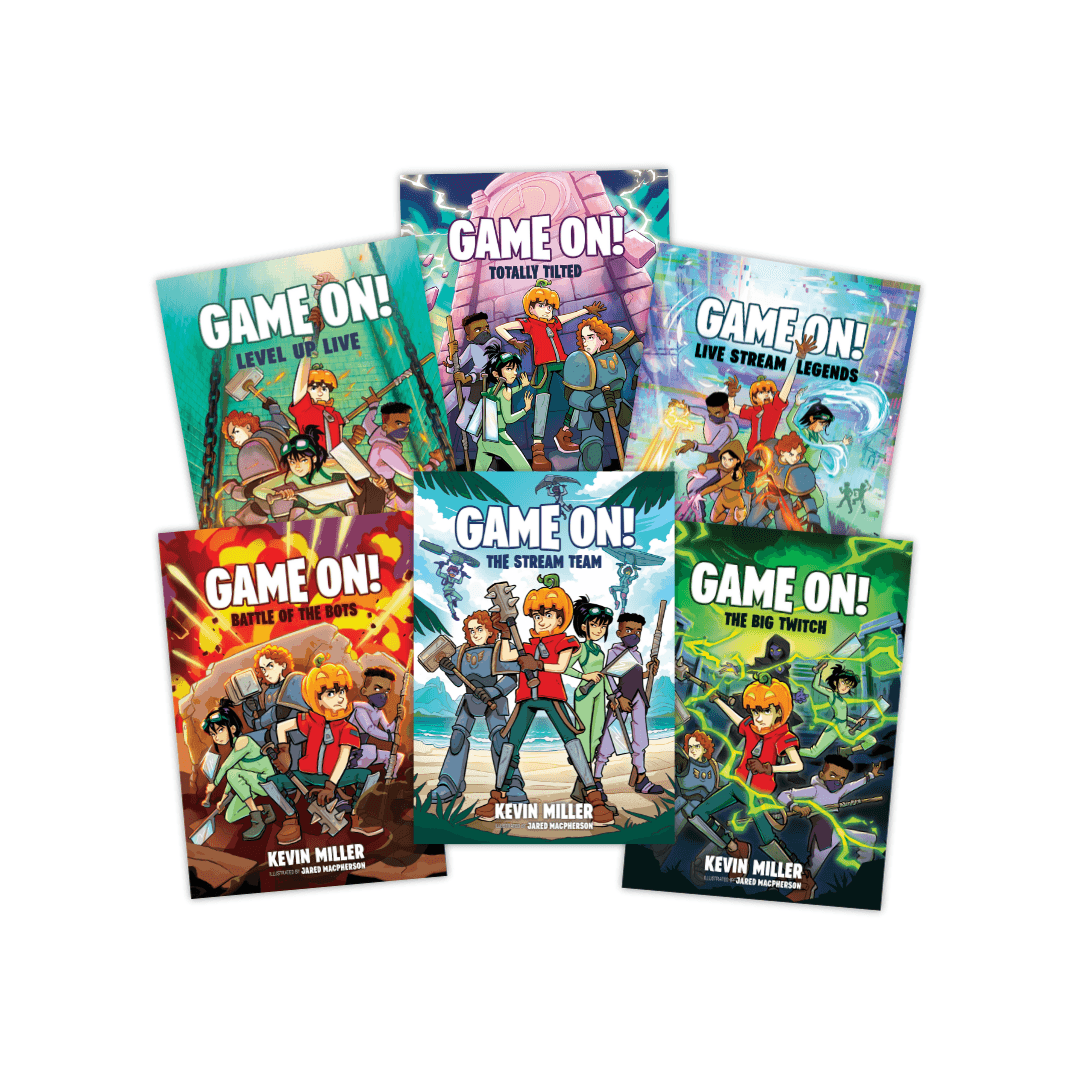
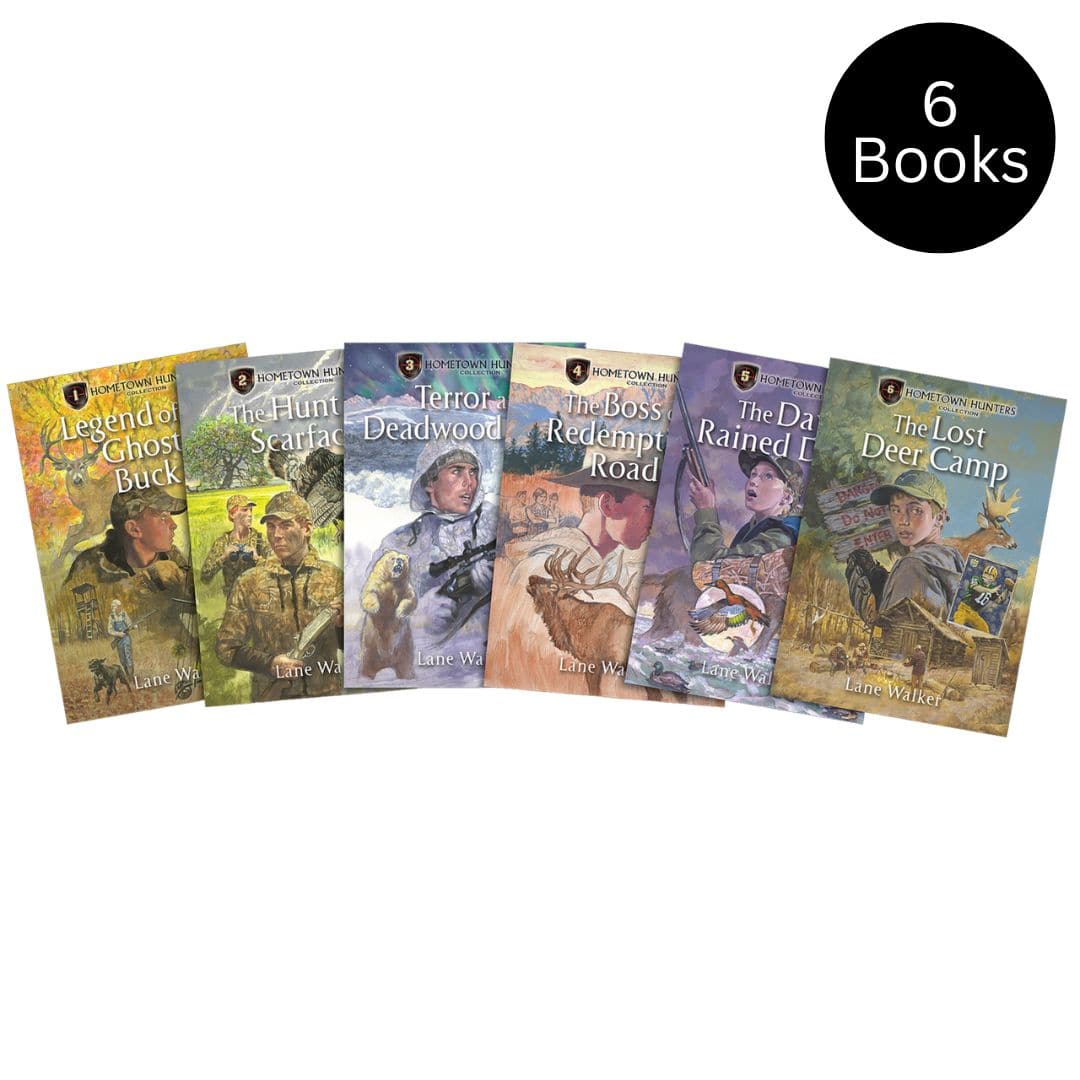
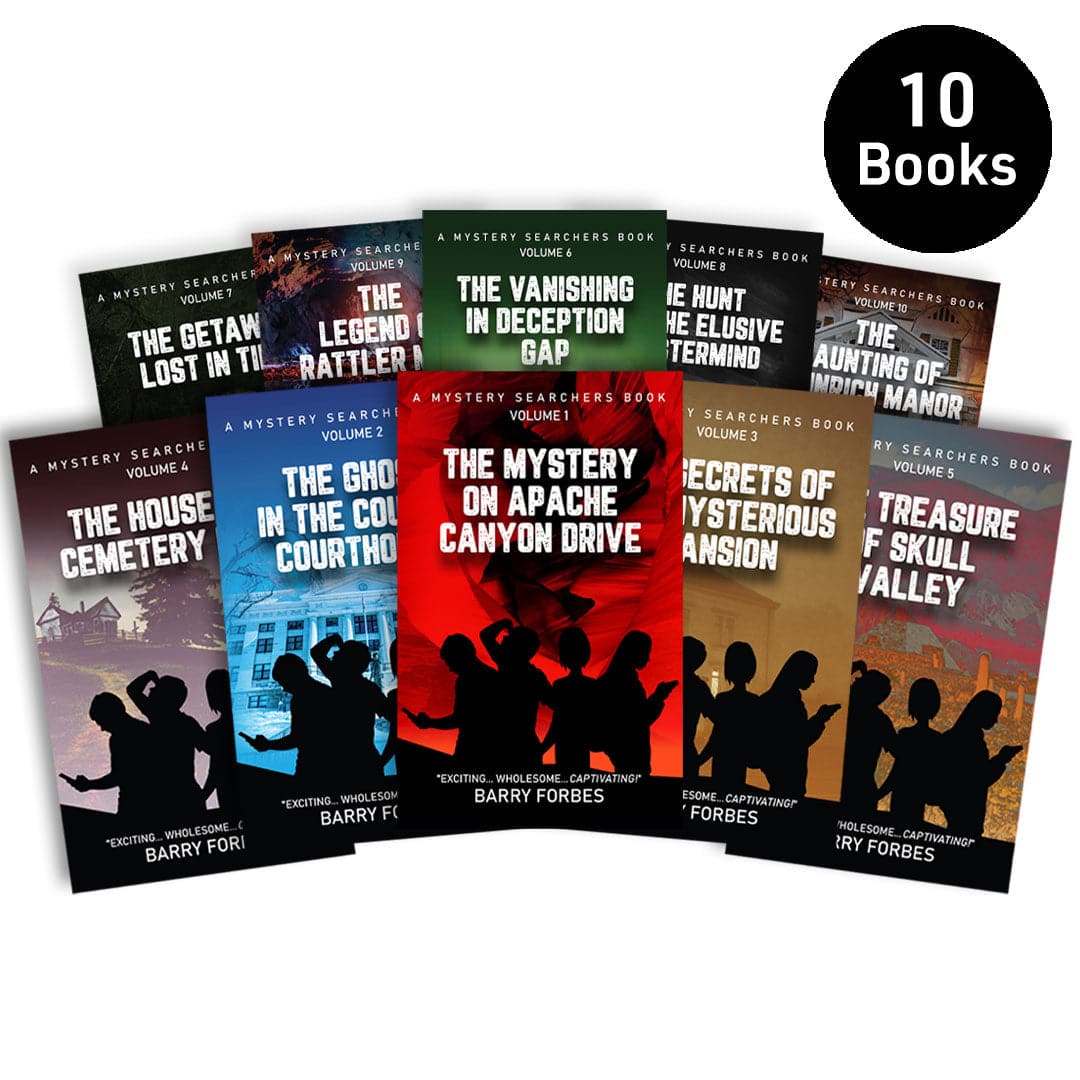
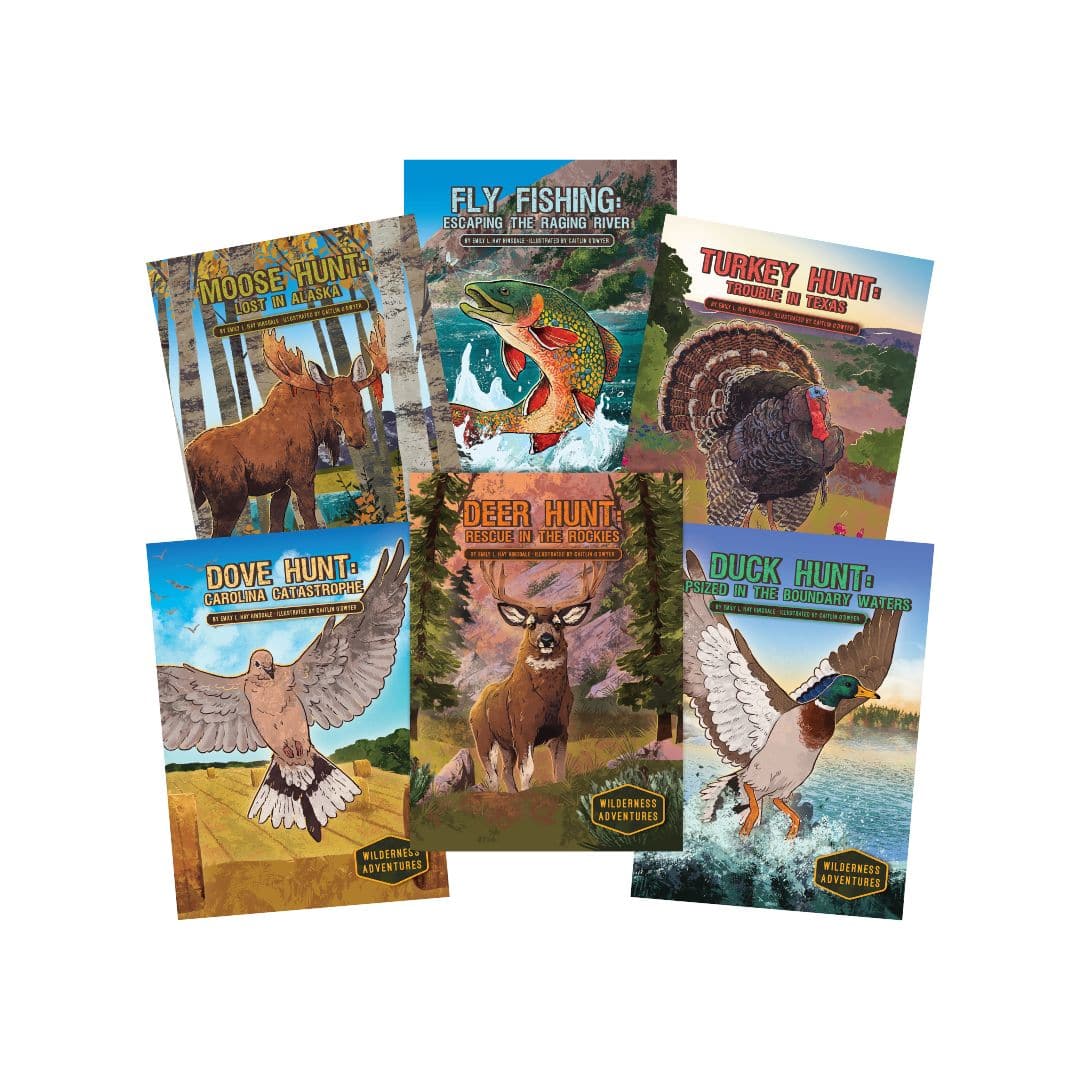
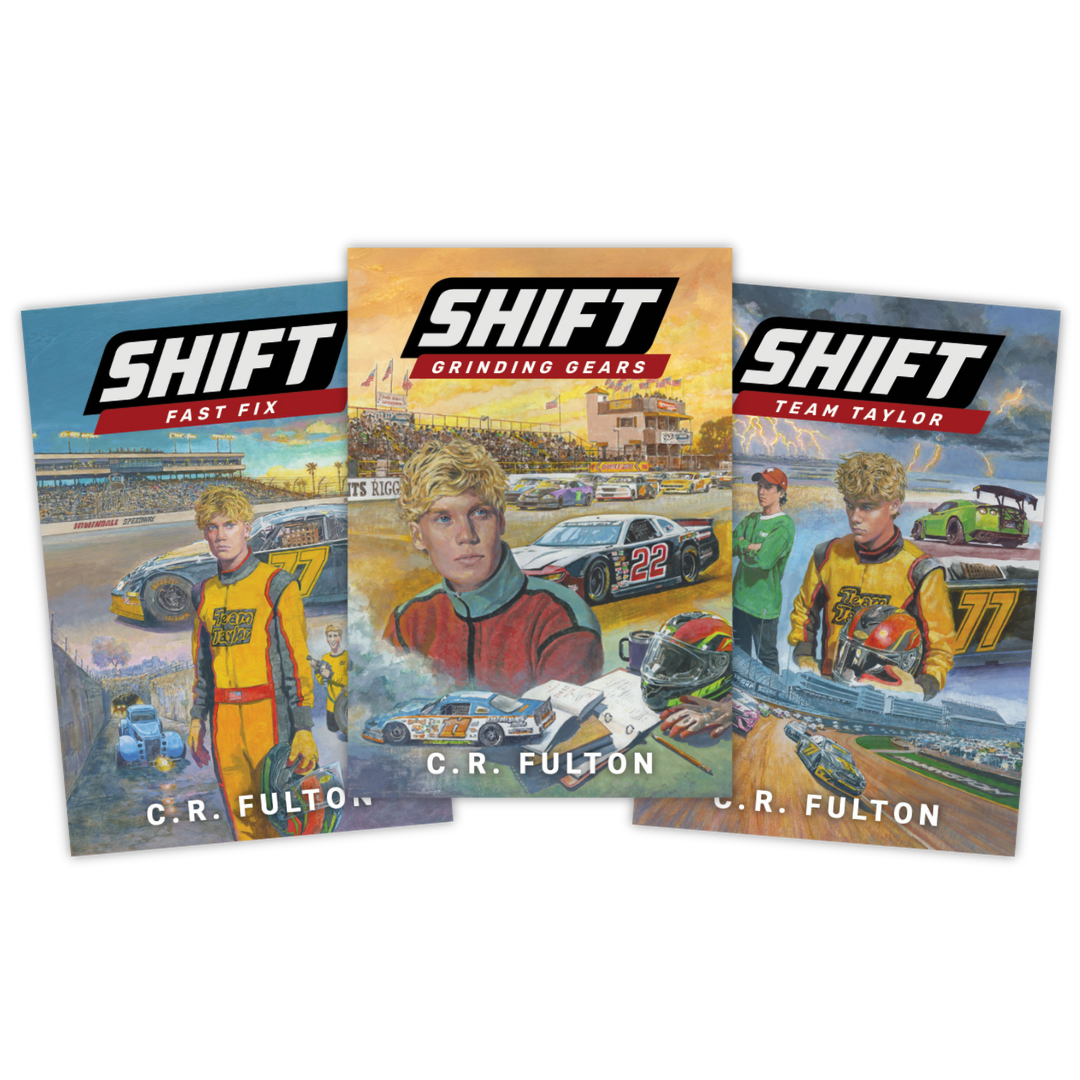
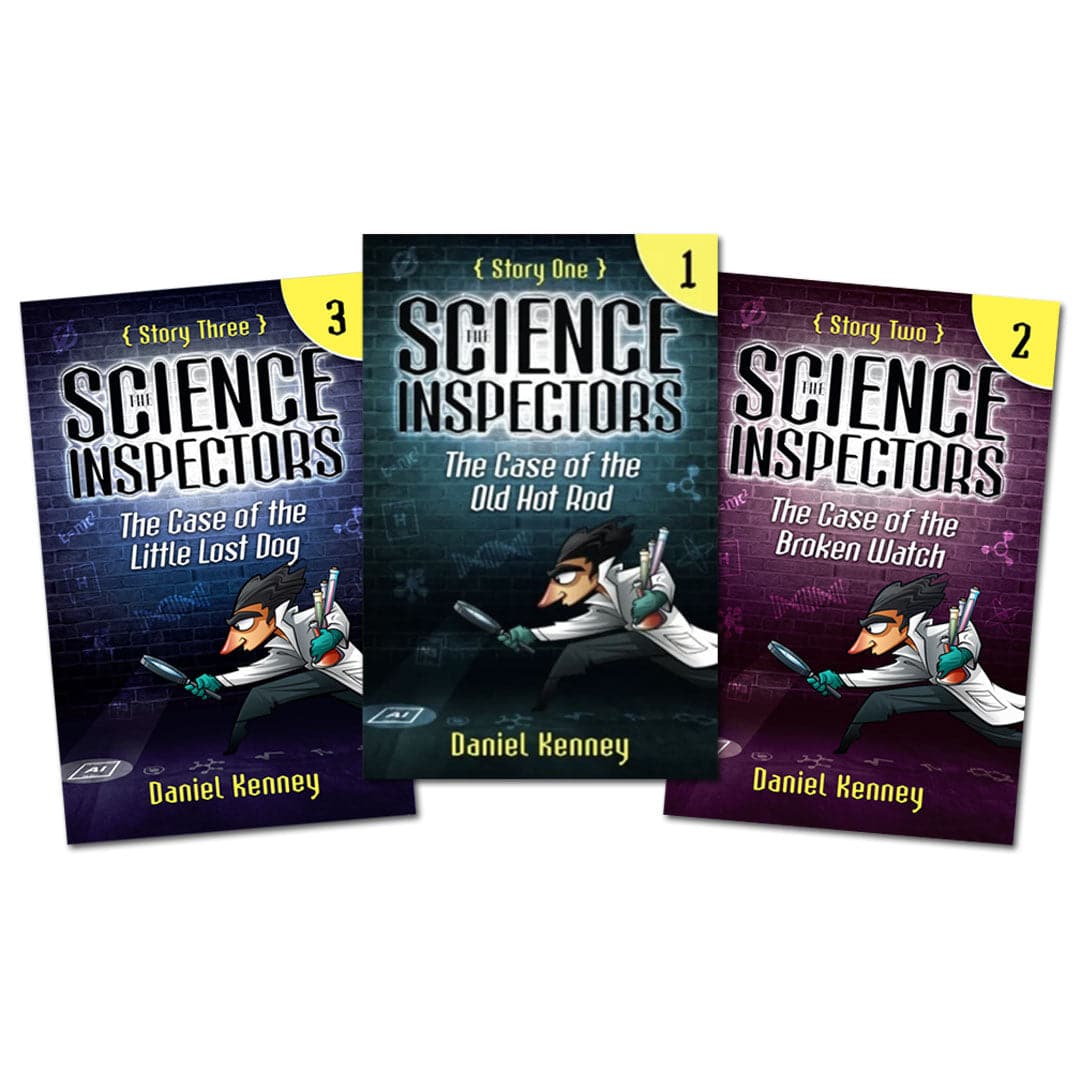
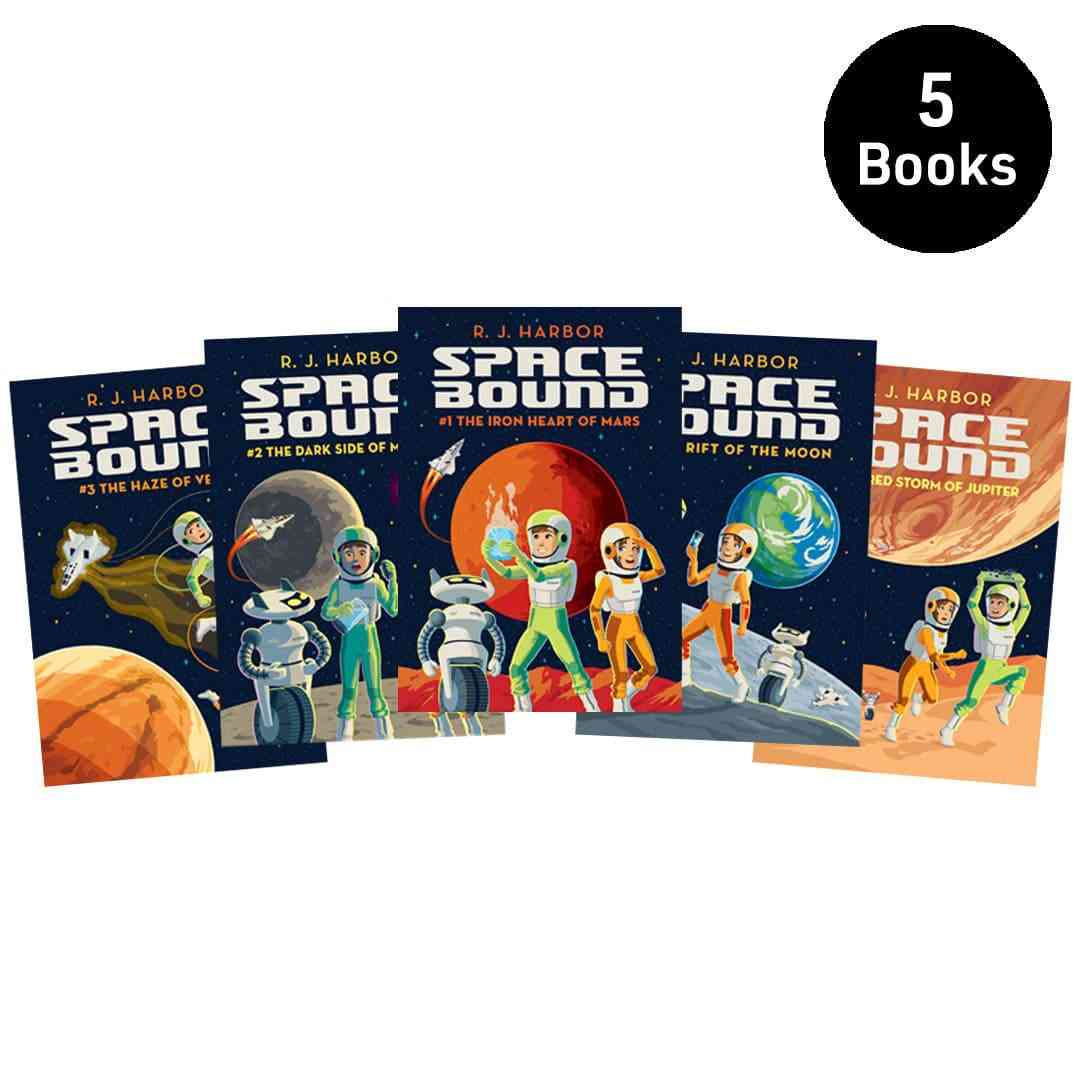
And if you’re looking for books that are designed to keep kids engaged (especially those who are reluctant readers) Bakken Books offers interest-based book series built specifically to hold attention, build confidence, and make reading something kids actually enjoy sticking with.
At the end of the day, the goal isn’t just more reading this summer.
It’s raising kids who don’t need to be reminded to read at all.
Common Questions About Summer Reading Games
How can I encourage my child to read during summer break?
The best approach is to make reading part of fun activities rather than treating it like homework.
Are reading comprehension games effective for struggling readers?
Yes! Reading comprehension games break reading into smaller, more interactive experiences that can feel less intimidating. Many reluctant readers respond well to games because they focus on curiosity, creativity, and participation instead of performance.
What age group are reading games best for?
Most reading games can be adapted for a wide range of ages. Simple activities work well as reading games for 2nd grade students, while more complex discussions, predictions, and character deep dives can challenge readers in 5th and 6th grade.
How often should kids participate in reading activities during summer?
Consistency matters more than length! Even 15-20 minutes of reading or reading-based activities a few times each week can help children maintain reading skills and prevent the Summer learning slide.