If you’ve ever tried to limit screen time in your house, you know the struggle.
Screens are everywhere—TVs, tablets, gaming systems, and phones. And while technology can be helpful, many parents are looking for ways to balance it with healthier activities like reading.
The good news?
You don’t always have to fight screens. Sometimes the best strategy is to use them to your advantage.
Table of Contents
One of the most effective ways to do that is by pairing books with their movie or TV adaptations. This simple strategy transforms passive screen time into something more meaningful: a shared family experience that encourages kids to read.
Instead of choosing between books and screens, families can combine the two to create something better—stories that move from page to screen and spark conversation along the way. Let's dive in.
Why Book-to-Movie Pairings Work So Well for Kids
Parents often think of screens as the enemy of reading. But when used intentionally, movies and TV shows can actually increase a child’s interest in books.
The key is to connect the two.

1. Movies spark curiosity about books
When kids watch a movie based on a book, many naturally become curious about the original story.
They start wondering:
-
Did the movie leave anything out?
-
Is the book different?
-
What happens next in the series?
That curiosity often motivates them to pick up the book.
2. Stories become interactive
Kids love comparing books and movies.
They notice things adults might miss:
-
Scenes that were changed or removed
-
Characters who look different than they imagined
-
Alternate endings or plot twists
These comparisons turn reading into a fun puzzle instead of a chore.
3. It helps reluctant readers engage
Some kids struggle to connect with books at first.
Watching the movie can help them:
-
Visualize the characters
-
Understand the setting
-
Follow the story more easily
Once they understand the world of the story, the book becomes much easier to enjoy.
4. Families experience stories together
One of the biggest benefits is that books and movies create shared experiences.
Reading together and watching together encourages meaningful conversations about characters, choices, and lessons from the story.
And those conversations are what turn stories into lasting memories.
The Best Book-to-Movie Pairings for Kids Ages 8–12
Many beloved children’s stories have been adapted into movies and TV shows. Watching a film after reading the book can make stories more exciting and help kids notice details they might otherwise miss. These book-to-movie pairings are especially great for kids ages 8–12 and can turn family movie night into a fun extension of reading time.
1. Harry Potter and the Sorcerer’s Stone
Book: J.K. Rowling
Movie: Harry Potter and the Sorcerer’s Stone

Few stories have inspired young readers more than Harry Potter. Kids love exploring Hogwarts, meeting magical creatures, and solving mysteries alongside Harry, Ron, and Hermione.
Why it’s great for families:
- Strong themes of friendship and courage
- Expansive magical world
- Multiple books and movies to continue the adventure
Family discussion question: If you could attend Hogwarts, which house would you want to be in?
2. The Chronicles of Narnia: The Lion, the Witch and the Wardrobe
Book: C.S. Lewis
Movie: The Lion, the Witch and the Wardrobe

Four siblings discover a magical world hidden inside an old wardrobe and become part of an epic battle between good and evil.
Why it’s great for families:
- Epic fantasy adventure
- Memorable characters like Aslan and Mr. Tumnus
- Stunning movie visuals
Family discussion question: Would you explore the wardrobe if you found one?
3. Holes
Book: Louis Sachar
Movie: Holes

Stanley Yelnats is sent to a strange desert camp where boys spend their days digging holes. But the holes hide a mysterious secret.
Why it’s great for families:
- The movie stays very close to the book
- Mystery and humor keep kids engaged
- Great story about friendship and perseverance
Family discussion question(s): What do you think the boys at Camp Green Lake learned about teamwork and friendship? Would you eat raw onions to repel yellow-spotted lizards from biting you?
4. Matilda
Book: Roald Dahl
Movies: Matilda (1996), Matilda the Musical (2022)

Matilda is a brilliant girl with terrible parents and an extraordinary secret power.
Why it’s great for families:
- Clever heroine
- Funny villains
- Themes of standing up for what’s right
Family discussion question: What would you do if you had Matilda’s powers?
5. Charlotte’s Web
Book: E.B. White
Movie: Charlotte’s Web (2006)
A pig named Wilbur and a spider named Charlotte form an unforgettable friendship. Charlotte’s plan to save Wilbur becomes one of the most touching stories in children’s literature.
Why it’s great for families:
- Emotional storytelling
- Powerful themes of kindness and friendship
- Classic children’s literature
Family discussion question: What does Charlotte teach Wilbur about friendship and helping others? Do you think we would let you have a pet pig?
6. The Giver
Book: Lois Lowry
Movie: The Giver

Jonas lives in a society where everything is controlled—including emotions. When he begins receiving memories of the past, he discovers the truth about his world.
(Best for older readers in the 10–12 range)
Why it’s great for families:
This story opens the door to deeper conversations about freedom, emotions, and choices
Family discussion question(s): Would you want to live in a world where everyone is the same and no one feels strong emotions? Why or why not?
7. The Indian in the Cupboard
Book: Lynne Reid Banks
Movie: The Indian in the Cupboard
When Omri places a toy figure inside an old cupboard, something magical happens—the toy comes to life.
Why it’s great for families:
- Everyday objects become magical
- Adventure inside a bedroom
- Strong themes of responsibility
Family discussion question: How do Omri’s choices affect the tiny people who come to life? What would you do if your toy-figurines came to life?
8. Diary of a Wimpy Kid
Book: Jeff Kinney
Movies: Multiple adaptations
Greg Heffley’s hilarious diary entries capture the awkwardness of middle school life.
Why it’s great for families:
- Illustrated diary format
- Short chapters
- Very relatable humor
Family discussion question: Have you ever had a school moment that felt just as embarrassing as one of Greg’s stories?
9. Percy Jackson and the Lightning Thief
Book: Rick Riordan
Movie: The Lightning Thief
TV Series: Disney+
Percy Jackson discovers he’s the son of a Greek god and must complete dangerous quests.
Why it’s great for families:
- Action and adventure
- Greek mythology
- Huge book series to continue reading
Family discussion question: If you could have a Greek god or goddess as a parent, who would you choose and why?
10. The BFG
Book: Roald Dahl
Movie: The BFG

Sophie, a young orphan, befriends the Big Friendly Giant who spends his nights catching dreams and delivering them to children. Together they must stop a group of dangerous giants who threaten children around the world.
Why it’s great for families:
- Imaginative and magical storytelling
- Humorous language and quirky characters
- A heartwarming friendship between Sophie and the giant
Family discussion question: If you could send a dream to someone while they were sleeping, what kind of dream would you choose?
How to Create a Family Book-and-Movie Night
Turning book-to-screen pairings into a family tradition can make reading something kids actually look forward to.
Here’s a simple way to do it.
Step 1: Choose the book together
Give kids a few options and let them vote.
This helps them feel invested in the story.
Step 2: Read the book first (when possible)
Reading first encourages kids to imagine the characters and settings on their own.
Then the movie becomes a fun comparison.
Step 3: Make movie night special
Add small traditions like:
-
popcorn
-
blankets
-
themed snacks
-
pajamas and family time
Step 4: Talk about the differences
After the movie, ask questions like:
-
What was different from the book?
-
Which version did you like better?
-
Did the characters match your imagination?
These discussions help kids develop critical thinking skills while deepening their love of storytelling.

How Book-to-Movie Pairings Help Reduce Screen Time
Many parents try to cut screen time completely—but that can sometimes backfire.
Instead, experts often recommend creating balance and intentional screen use.
Pairing books with movies helps because it:
-
turns passive screen time into learning
-
encourages reading before or after the movie
-
creates family interaction instead of solo device use
For kids ages six and older, many experts recommend placing consistent limits on screen time and making sure it doesn’t replace sleep, exercise, or family interaction.
Using stories as a bridge between books and screens can help families strike that balance.
Tips for Getting Kids Excited About Books
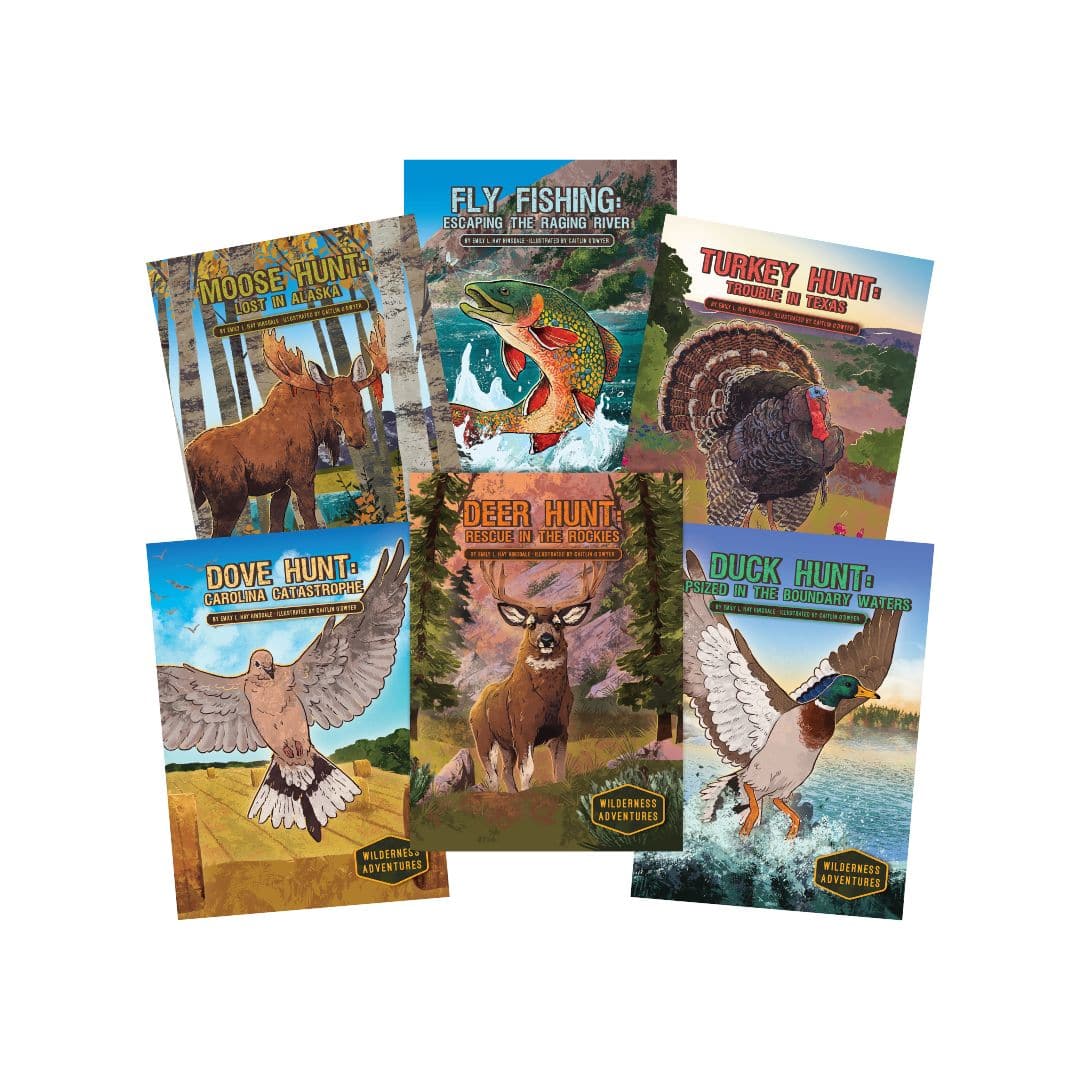
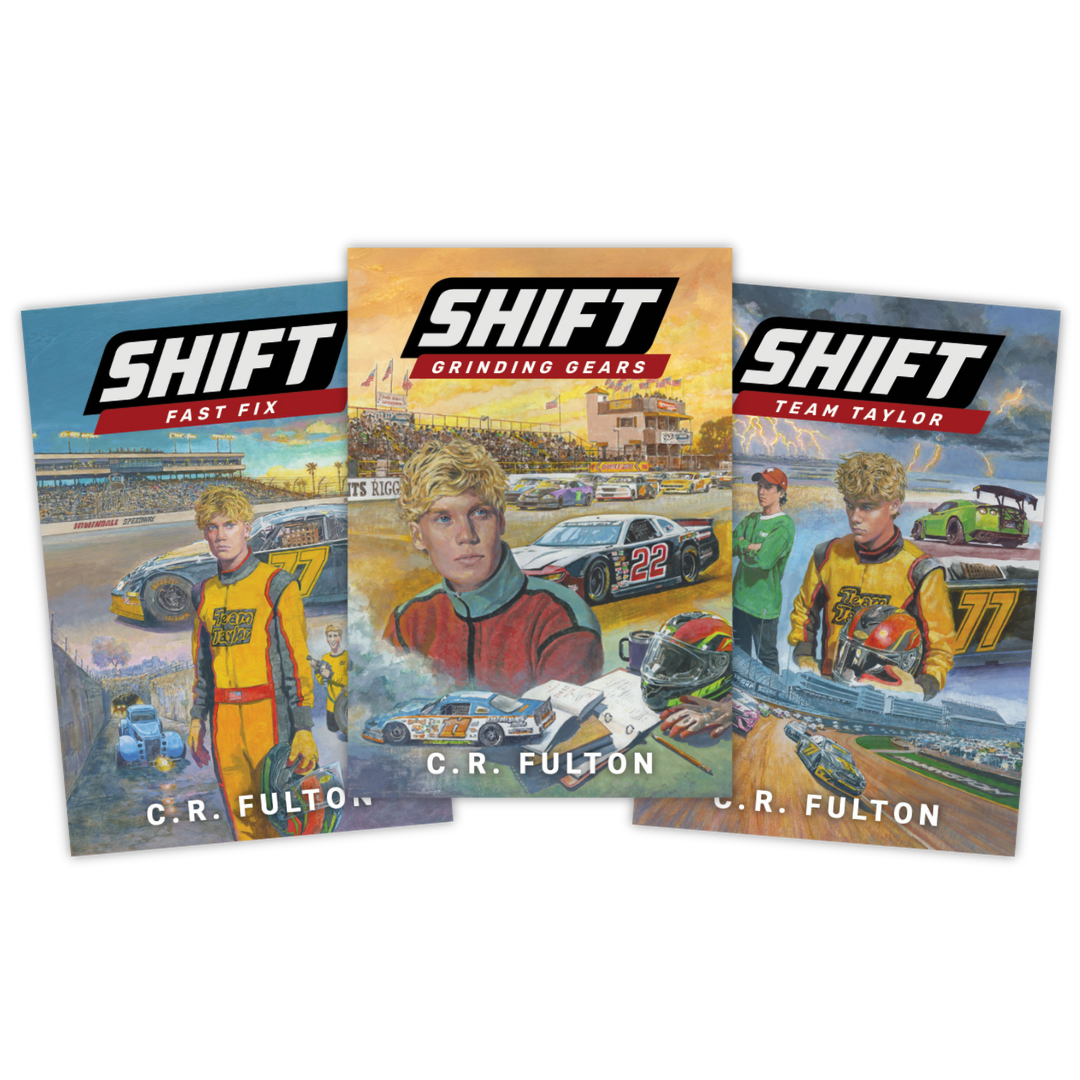
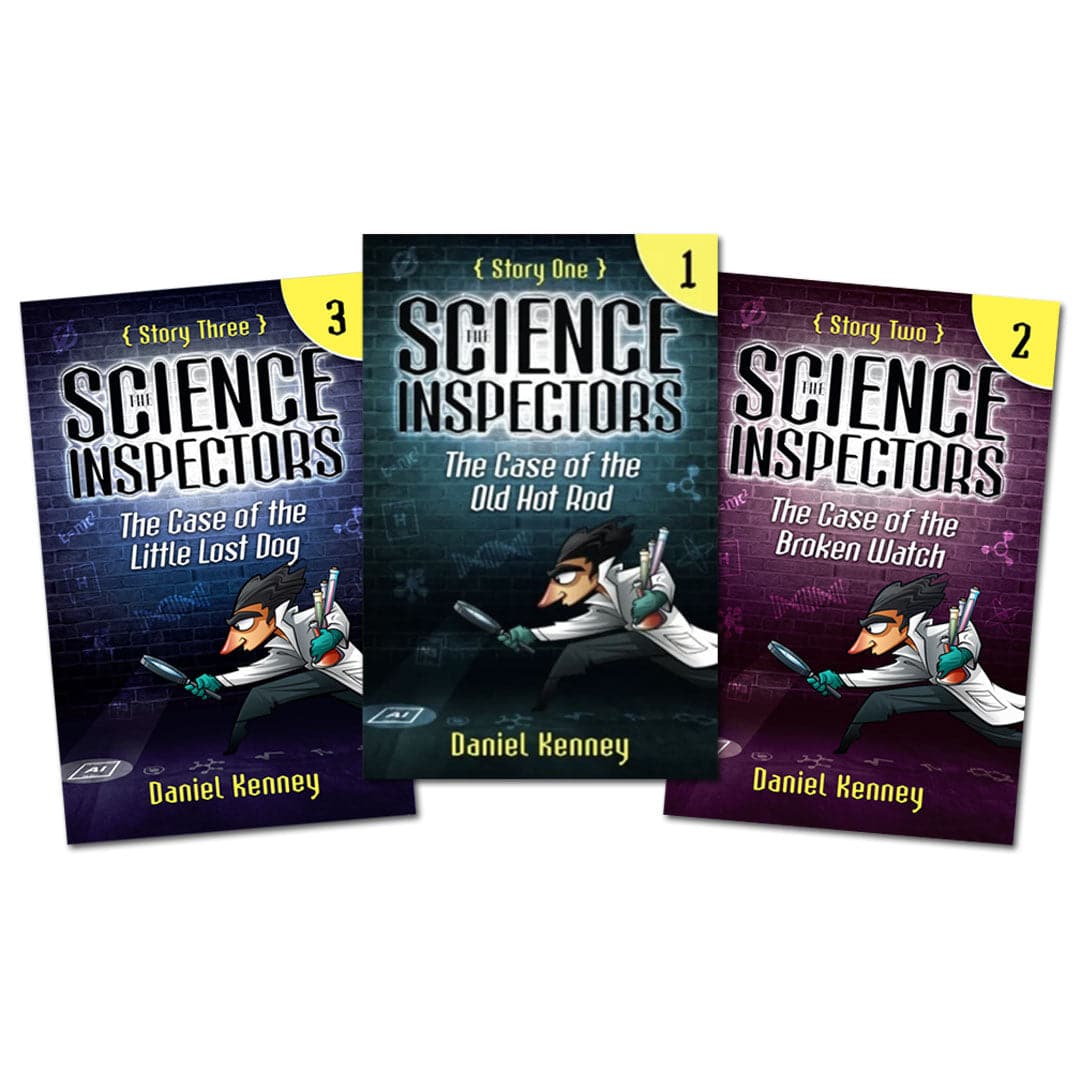
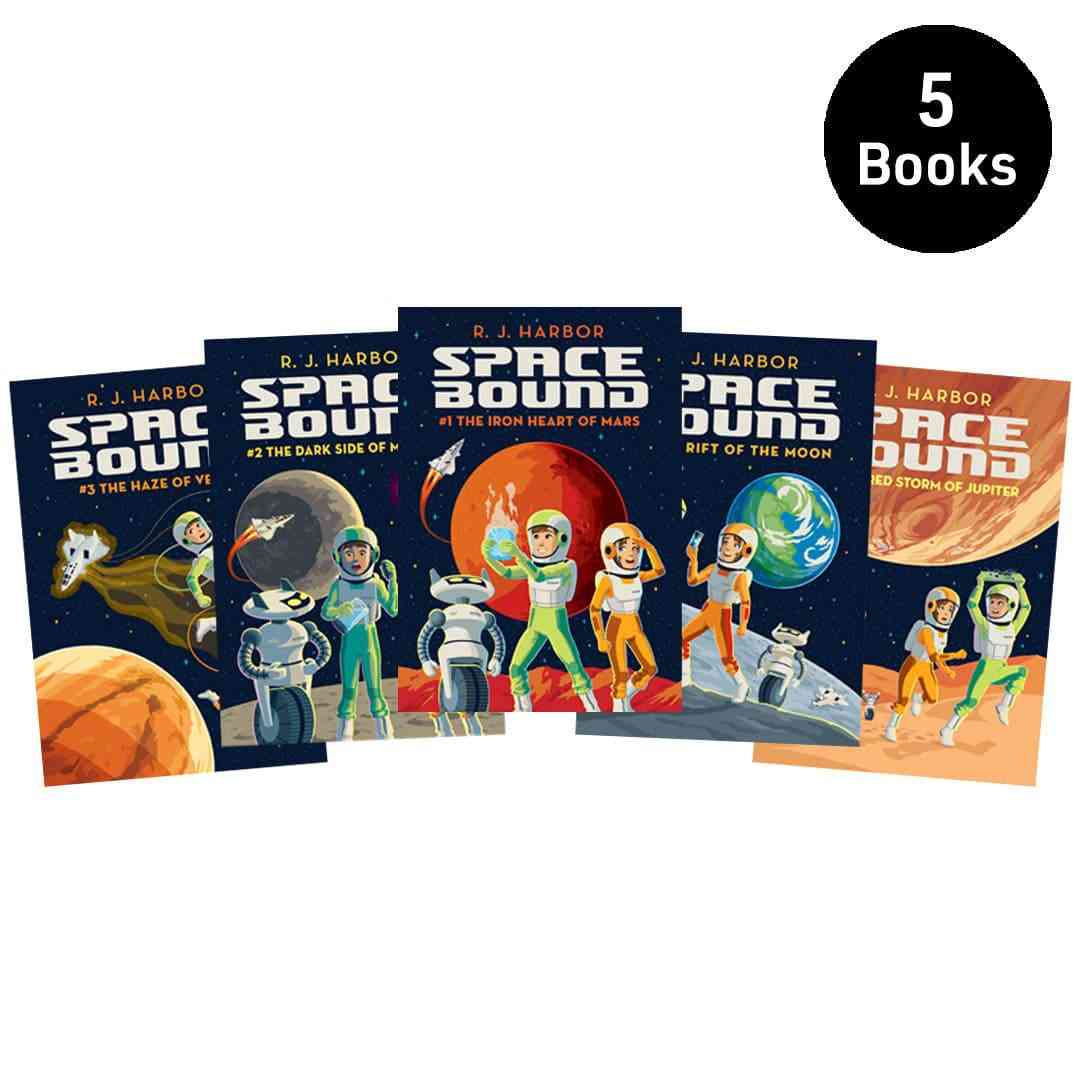
If your child isn’t naturally drawn to reading, try these strategies. Let interest lead the way, kids are more likely to read books about topics they already love:
-
sports
-
animals
-
mystery
-
space
-
adventure
Interest-driven stories can help kids build confidence and begin finishing books independently.
-
Start with shorter chapters- Short chapters give kids quick wins and help them build reading stamina.
-
Read together- Even older kids enjoy reading aloud as a family. It makes stories feel like shared adventures instead of school assignments.
-
Celebrate finishing books- Small rewards like movie night or choosing the next book can make reading more motivating.
Conclusion: Turning Screen Time Into Story Time
Screens aren’t disappearing anytime soon.
But with a little creativity, they don’t have to compete with reading.
By pairing books with movies, families can turn ordinary screen time into something more meaningful:
-
deeper conversations
-
shared memories
-
and a growing love of stories
And sometimes, after the movie ends, kids discover something surprising:
The book was even better.
FAQ: Book-to-Movie Pairings for Kids (Ages 8–12)
Why pair books with movies for kids?
Book-to-movie pairings are a great way to motivate kids to read. Many children become interested in reading when they discover their favorite movies are based on books. Watching the film can also help build background knowledge that improves reading comprehension.
Is it better for kids to read the book or watch the movie first?
Both approaches work. Some parents prefer reading the book first so children can imagine the story themselves. Others watch the movie first to help reluctant readers understand the plot and characters before tackling the book.
Do movies stay true to the original book?
Not always. Movie adaptations often change characters, plot points, or settings to fit the time limits of a film. Comparing the differences can spark great discussions about storytelling and creativity.
How can parents encourage kids to read after watching a movie?
Try asking kids what they liked about the movie, showing them the book version of the story, reading the first chapter together, or comparing scenes from the movie with the book.
What are the benefits of discussing books and movies together?
Talking about stories helps children improve reading comprehension, develop critical thinking skills, build vocabulary, and express opinions about characters and plot.
What age group enjoys book-to-movie pairings the most?
Kids ages 8–12 often love these pairings because they are reading longer chapter books and are also excited about movies and streaming shows.
Are book-to-movie stories good for reluctant readers?
Yes. Watching a movie adaptation can help reluctant readers understand the story before they begin reading the book version.
How can families turn book-to-movie pairings into a fun activity?
Create a family book-and-movie night: read the book during the week, watch the movie together on the weekend, and compare your favorite scenes.
Where can you find more books that became movies for kids?
Libraries, bookstores, and curated reading lists often highlight books that have been adapted into popular movies or shows for children.