You've been considering it for some time now: packing up the car, driving to a place with stars and trees, and having no Wi-Fi password to remember. In theory, taking your child camping sounds fantastic, but what about the preparation? Some parents stall out at that point.
The truth is that camping is one of the greatest things you can do for kids between the ages of 8 and 12. They are in the ideal age range for a trip like this to become ingrained in their memories, young enough to believe sleeping in a tent is the coolest thing ever, yet old enough to handle a little adventure. Let's make it a memorable experience.
Why 8–12 Is the Perfect Age to Camp
The age range of 8 to 12 is perfect for outdoor adventures and family camping trips. In a way that younger children just cannot yet, they are able to follow trail markers, carry their own little backpack, assist with tent setup, and remain interested in their surroundings.
The American Camp Association claims that spending time in nature at this age fosters resilience, self-assurance, and problem-solving abilities in ways that organized activities generally cannot replicate. Additionally, it gives kids a break from the digital world, which benefits the entire family.
Kids at this age are capable enough to make a camping trip feel like an adventure rather than something they were forced to go on. They'll surprise you if you give them responsibility.
Choosing the Right Campsite
The entire experience is shaped by the campsite you decide on. When planning a camping trip with kids in this age range, keep the following in mind:
Activity proximity: Seek locations close to lakes, swimming pools, or hiking trails. Kids who have things to do thrive at camp, while boredom can set in quickly if there aren't enough activities nearby.
Family-friendly amenities: Restrooms and running water make a huge difference, especially on your first few trips. You can always try more rugged camping later.
Not too remote: You want adventure, not anxiety. An excellent place to start is a developed campground in a state or national park.
There's a reason why locations at or close to Great Lakes shorelines and national parks are so popular: nature itself does half the job for you. Reservations for state-owned campgrounds and national parks are usually accepted six months in advance on Recreation.gov. Plan beforehand because popular spots fill up quickly.
What to Pack (Without Overpacking)
Kids' packing tends to get out of hand. Use this framework to keep things simple:

Getting Kids Involved in the Planning
Allowing your child to assist with the planning is one of the best things you can do before the trip even begins. When you actually get there, kids who have a say in the activities, food, and destination are far more engaged.
Try having a seat together and allowing them to:
- Choose the activity they wish to do the most, such as fishing, stargazing, kayaking, or a particular walk
- Make a small list and pick two or three campfire meals
- Use our checklist as a guide to help them pack their own backpack
This creates anticipation in addition to being useful. It's part of their trip, so by the time you leave the driveway, they're already thrilled.
Make It Extra Fun Near a National Park or Great Lake
One simple way to make a camping trip even more memorable is to connect the outdoor experience with a great story. If your family camping trip brings you close to a national park, the Great Lakes beaches, or any other area surrounded by nature, this is your secret weapon for keeping children away from devices and genuinely engaged.
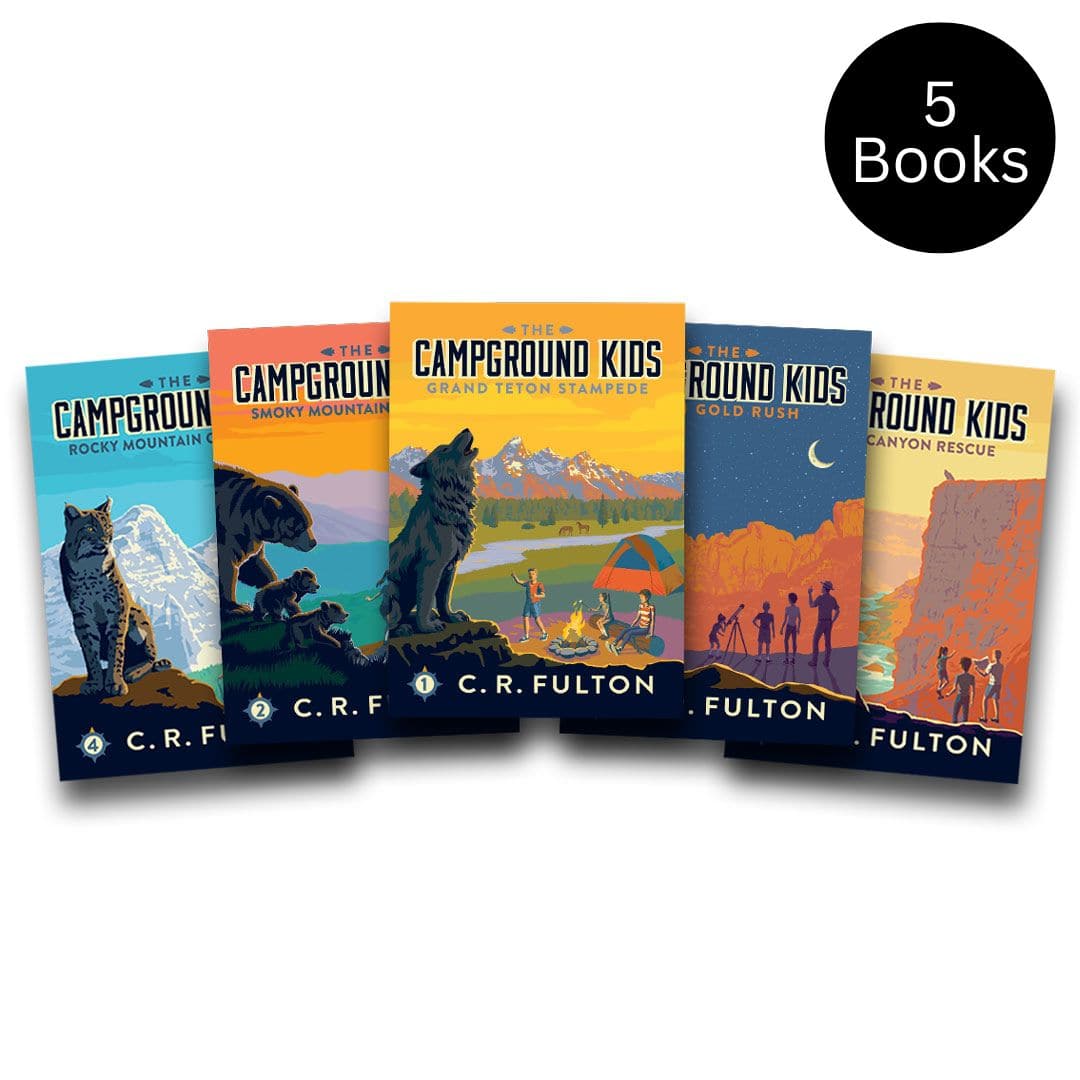
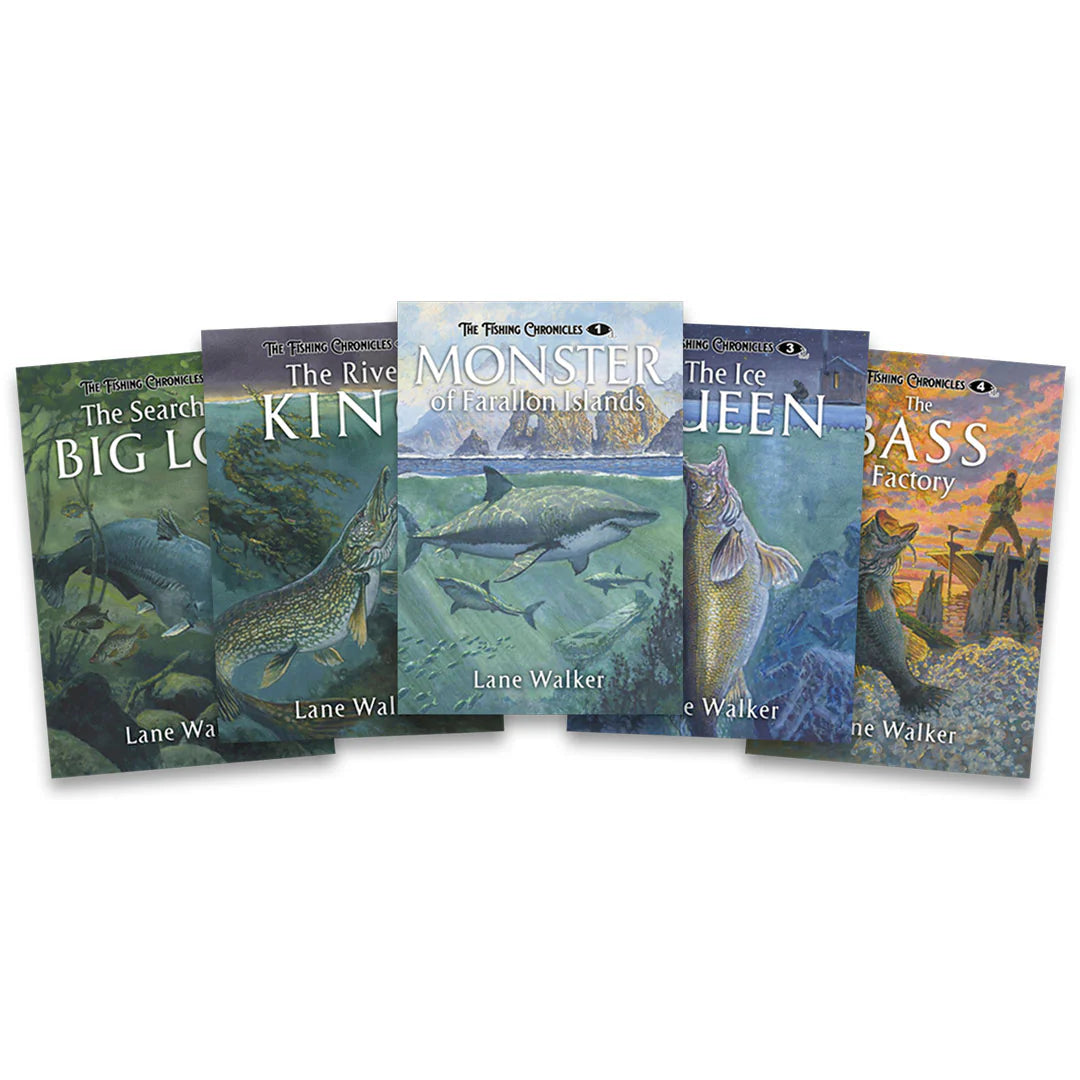
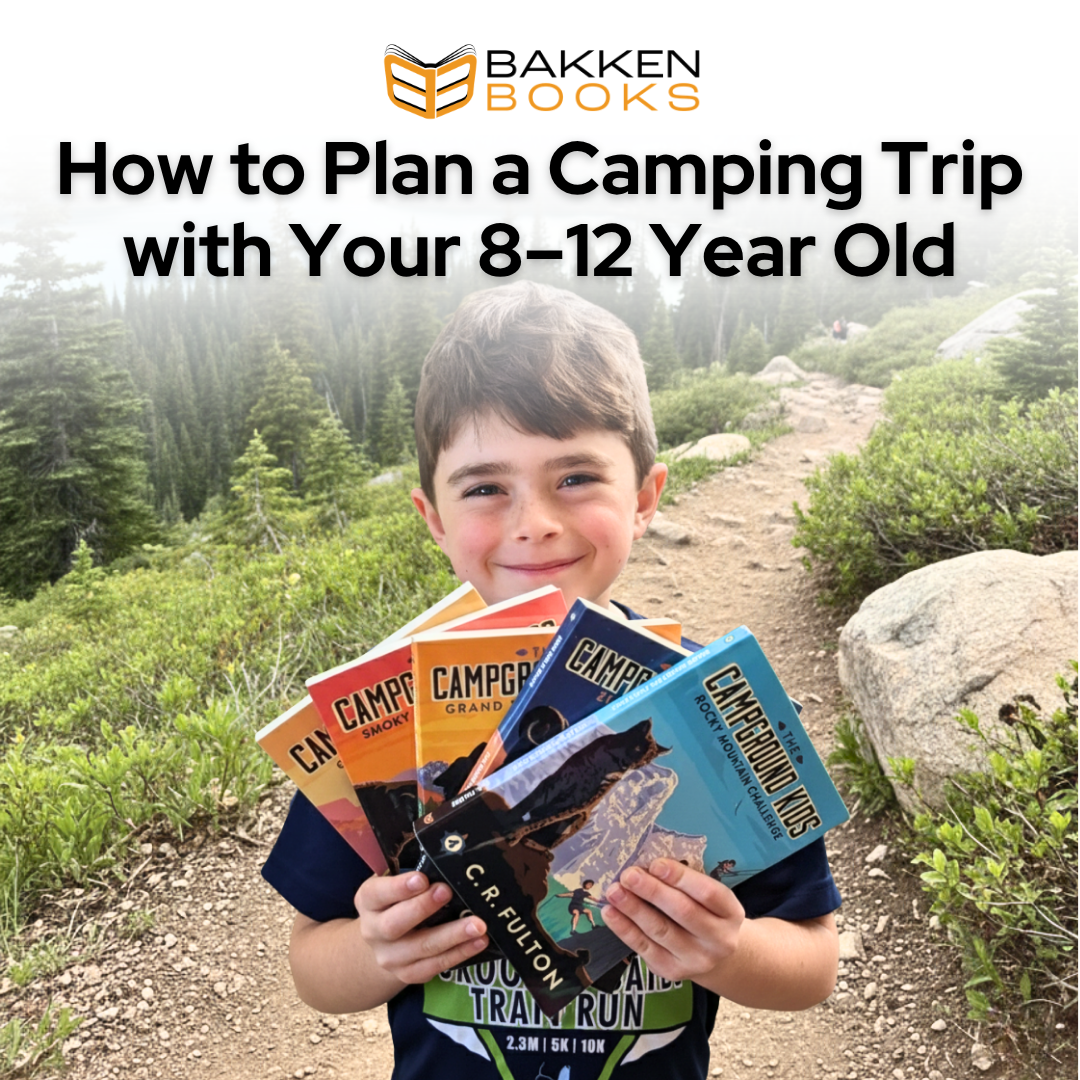
Bakken Books' The Campground Kids and The Great Lake Adventures are ideal travel companions. In these books, your child follows other kids as they navigate the outdoors, solve problems, and experience the joy of camping.
It's a powerful connection. Reading about a campfire is one thing; actually smelling one is another. When you were just skipping rocks an hour ago, a chapter about exploring a lake shore impacts you differently.
- While driving to the campsite, read a chapter to set the tone and create anticipation.
- Parents and siblings can take turns reading chapters aloud at the campsite.
- A chapter under a headlamp or lantern light is a camp experience in and of itself, so use it as the wind-down ritual before bed.
- The story is kept alive between reading sessions by having conversations about it on the trail, such as "Do you think they'd take this path?" or "What would the Campground Kids do here?"
For this to work, you don't need to be in a national park; every camping experience is enhanced by storytelling. But if you're near the Great Lakes or exploring a national park, the connection between the books and the experience is something kids notice and love.
It also naturally solves the screen-time battle. Instead of a "no phones" rule that feels like punishment, the book becomes the thing they actually want to reach for.
Campsite Activities Kids Actually Love
In addition to swimming and hiking, the following activities typically do well with the 8–12 age group:
A Scavenger Hunt: Print our scavenger hunt before you go and give kids a fun mission around the campground. Searching for things like animal tracks, unique leaves, and wildflowers keeps them engaged, encourages curiosity, and makes every walk feel like an adventure.
Cooking over a campfire: Give kids genuine responsibility in this area. Making s'mores with various chocolates, roasting their own hot dogs, and constructing foil packet dinners are all examples of cooking that feels like an adventure.
Stargazing: Before you lose service, download a free star map app. Then, give your child the phone and let them guide you. They enjoy being the experts at this age.
Bring a little blank notebook: For journaling or sketching, and ask them to "Draw the view from your tent door" or "Write three things you saw today that you'd never see at home." You'll be shocked by the results.
Junior Ranger programs: Most national parks have free Junior Ranger booklets that kids can complete during their visit and receive a badge upon completion. This is the ideal level of challenge for ages 8 to 12.
Quick Tips for a Smooth Trip
Here are some factors that determine whether a journey is enjoyable or not:
- Have a pre-camp campout – If your child has never slept in a tent, set one up in the backyard first. It's a great way to discover what's missing and work out any issues before you're two hours from home.
- Don't overschedule – Leave a little free time. Half the magic is in exploring the campsite, seeing wildlife, and throwing rocks into the lake.
- Bring comfort items – It's not shameful to bring a favorite pillow or plush animal, no matter the age. Campers who get enough sleep are happier.
- Keep food simple – Complicated camp cooking is a recipe for a stressed parent. Everyone is happy with simple meals and lots of snacks.
- Have a weather backup plan – Make sure you know what to do in case of rain. The right mindset and a few card games go a long way!
Your first camping trip doesn't need to be spectacular. Perfect meals, immaculate equipment, or a well-thought-out schedule are not the objectives. It's giving your kids the chance to explore, learn, and enjoy nature with you. They won't likely recall every detail in years to come, but they will remember the time spent together, the stories, the journeys, and the campfires.
Frequently Asked Questions
▼ What age is best for a child's first camping trip?
Many families find that ages 8–12 are ideal for a first camping trip. Kids are old enough to help with camp tasks, follow trails, and enjoy outdoor activities, while still seeing sleeping in a tent as a fun adventure.
▼ How many nights should a first camping trip be?
For first-time campers, one or two nights is usually enough. It gives kids a chance to experience camping without feeling overwhelmed and leaves them excited to plan the next trip.
▼ How do I keep my child entertained while camping?
Activities such as scavenger hunts, hiking, stargazing, campfire cooking, and Junior Ranger programs help keep children engaged throughout the trip.