If your child avoids reading, gets frustrated easily, or insists “books are boring,” you’re not alone, and you’re not doing anything wrong.
In fact, most reluctant readers aren’t struggling because they can’t read.
They’re struggling because:
-
The books feel too hard
-
The stories don’t grab them
-
Reading feels like pressure instead of enjoyment
Here’s the shift that changes everything:
Reading motivation doesn’t come from forcing the habit. It comes from the experience kids have with books.
When that experience is engaging, fast-paced, and confidence-building, kids don’t just improve, they completely transform.
That’s the exact philosophy behind Bakken Books. We design our stories to turn hesitant, reluctant readers into confident, excited ones.
Let’s break down how to make that transformation happen in your home.
1. Shift the Goal: From “Practicing Reading” to “Enjoying Stories”
One of the biggest mindset shifts you can make is moving away from reading as a task to reading as an experience.
When kids assume reading is something they should do, it triggers resistance.
It feels like homework, even outside school. And the more pressure they feel, the more they associate reading with stress instead of enjoyment.
But when the focus shifts to the story, reading becomes something entirely different.
What’s happening in the brain:
When a child is emotionally engaged in a story, their brain increases attention, memory retention, and comprehension naturally. In other words, enjoyment accelerates learning.
How to apply this at home:
There are many ways to apply this practice at home:
-
Let your child stop mid-book if they’re not interested
-
Don’t force them to finish something just because they started it
-
Discuss characters and plot instead of reading accuracy
-
Show that you’re excited to hear about their thoughts
Instead of asking:
-
“Did you read for 20 minutes?”
Try:
-
“What was the coolest part of the story?”
That one shift changes the entire reading experience from a to-do to a “get-to-do”.
When kids read books designed to hook them and keep them engaged, they transition faster.
2. Match the Book to the Reader
This is one of the most overlooked but most important points when building a confident reader.
Too often, kids are given books that are technically “appropriate” for their grade level, but completely mismatched for their:
-
interests
-
attention span
-
confidence level
-
ability
That mismatch creates frustration for everyone involved.
Why this matters:
If a book is even slightly too difficult or too slow, a reluctant reader won’t push through, they’ll disengage.
But when a book is just right:
-
It feels manageable
-
It feels enjoyable
-
It builds confidence instead of breaking it
A better way to choose books:
Think of it like this: our goal isn’t to challenge your child right away. Your goal is to hook them.
Start with:
-
Books slightly below their reading level for confidence
-
Topics they already love (adventure, mystery, sports, animals)
-
Stories with strong openings that grab attention immediately
Once they’re engaged, then you can gradually increase complexity.
This is exactly why Bakken Books focuses on accessible language paired with high-interest storytelling. Kids can jump in easily and stay engaged.
Browse our books by age range:

3. Use “Momentum Reading” to Build Confidence
Momentum is everything for reluctant readers.
If a child constantly feels stuck, slow, or confused while reading, they begin to associate reading with failure. But if they experience a strong flow, they will start connecting reading with success.
The concept of momentum reading:
Instead of focusing on difficulty, you focus on forward movement.
You want your child to feel like:
-
“I’m getting through this”
-
“This is going fast”
-
“I want to see what happens next”
Practical ways to build momentum:
-
Choose books with short chapters (5–10 pages max)
-
Highlight natural cliffhangers at the end of chapters
-
Encourage “just one more chapter” moments
Why finishing matters:
Completion creates a powerful feedback loop.
When a kid finishes a book:
-
They feel accomplished
-
Their confidence increases
-
They are more willing to start another book
This is a critical turning point.
Books that focus on strong pacing and easy readability, like Bakken Books, help build momentum. We do it naturally without forcing it
4. Make Reading Compete With Screens (and Win!)
Today’s kids are growing up in a world filled with instant entertainment.
Videos, games, and apps capture attention quickly and hold it.
If a book takes too long to get interesting, it simply doesn’t stand a chance. This leads to thinking your child is bored of reading.
The current reality:
Reading isn’t competing with boredom anymore. The competition is with highly searchable entertainment. And that entertainment is everywhere.
That means books need to:
-
Capture attention quickly
-
Maintain engagement consistently
-
Deliver satisfying progress
-
Propel the child forward
How to help reading “win” to your child:
-
Create a specific, cozy reading environment (not at a desk)
-
Remove distractions during reading time
-
Pair reading with something enjoyable (snacks, blankets, stuffed animal)
But the most important factor?
The book itself needs to be engaging from the first word.
This is why Bakken Books focuses on fast-paced storytelling and immediate hooks. Because if you don’t grab attention early, you lose it.
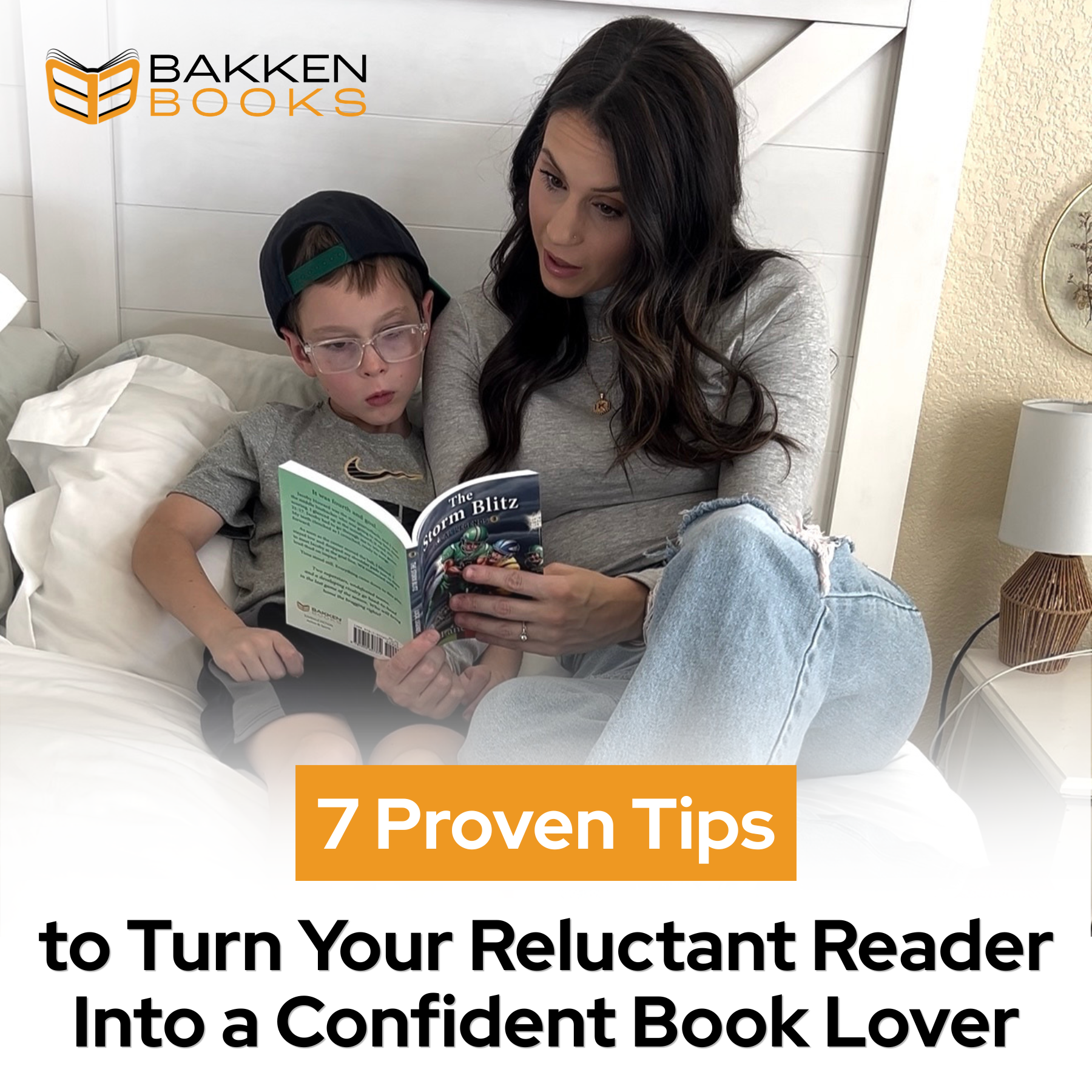
5. Read With Them. Not Just At Them
Reading together is one of the most underused strategies for older kids. This is especially true for those who are struggling or reluctant.
Many parents stop reading with their kids too early, assuming independence is the goal.
But shared reading actually:
-
Reduces pressure
-
Builds comprehension
-
Increases enjoyment
-
Improved bonds
Ways to make reading engaging together:
-
Take turns reading paragraphs or pages
-
Act out dialogue with different voices
-
Pause and predict what will happen next
-
Recap each chapter together
The deeper benefit:
It turns reading into a fun social experience, not a solitary task.
Kids will then begin to associate reading with:
-
Connection
-
Laughter
-
Curiosity
-
Love
-
Confidence
-
Safety
And those emotional connections truly matter.
When paired with engaging, interest-driven books, reading together feels less like needed practice and more like shared entertainment.
6. Reinforce Identity: “You Are a Reader”
One of the biggest barriers for reluctant readers isn’t ability, it’s identity.
If a child believes:
“I’m bad at reading”
They will…
-
Avoid it
-
Resist it
-
Give up quickly
-
Stall
The goal:
Shift their identity from “struggling reader” to “growing reader.”
How to do that:
-
Celebrate effort, not just outcomes
-
Emphasize improvement over time
-
Normalize challenges (Ex: “That part was tricky, and that’s okay!”)
Language matters more than you think:
Instead of:
“That book might be too hard for you”
Try:
You’re getting stronger at this every time you read”
Why identity is powerful:
When kids begin to believe they are readers, their behavior follows.
They:
-
Pick up books more often
-
Stick with challenges longer
-
Take pride in their progress
And consistent success with the right books helps reinforce that new identity even faster.
7. Give Them Books They Actually Want to Finish (The Real Game-Changer)
This is the most important piece, and the one that ties everything together. Because no strategy works if the book itself doesn’t connect.
You can create the best reading environment, use all the right words, and follow every tip in this guide. But if the book feels boring, difficult, or slow, your child will disengage.
Here’s a simple way to think about it:
Think about handing your child a new type of popsicle for the first time.
If you already know they love bananas, you wouldn’t give them cherry and hope they like it. You’d start with banana because it’s familiar, enjoyable, and gives them a positive first experience.
Books work the same way.
When a child is given a story that aligns with what they enjoy like camping, sports, or mystery, they’re far more likely to stay engaged and want more.
But when they’re handed something that doesn’t match their interests, it creates friction.
For a reluctant reader, even small friction is enough to shut the whole experience down.
What reluctant readers actually need:
Books that are:
-
Fast-paced
-
Easy to follow
-
Immediately engaging
-
Designed for their attention span
When you get this right, everything changes.
Instead of:
-
Avoidance
-
Frustration
-
Resistance
-
Fighting
-
Worry
You begin to see:
-
Curiosity
-
Excitement
-
Confidence
And eventually it turns into: “Can I read one more chapter?”
That moment is the turning point. And that is what Bakken Books is built to create. Stories that don’t just teach reading, but ignite it.
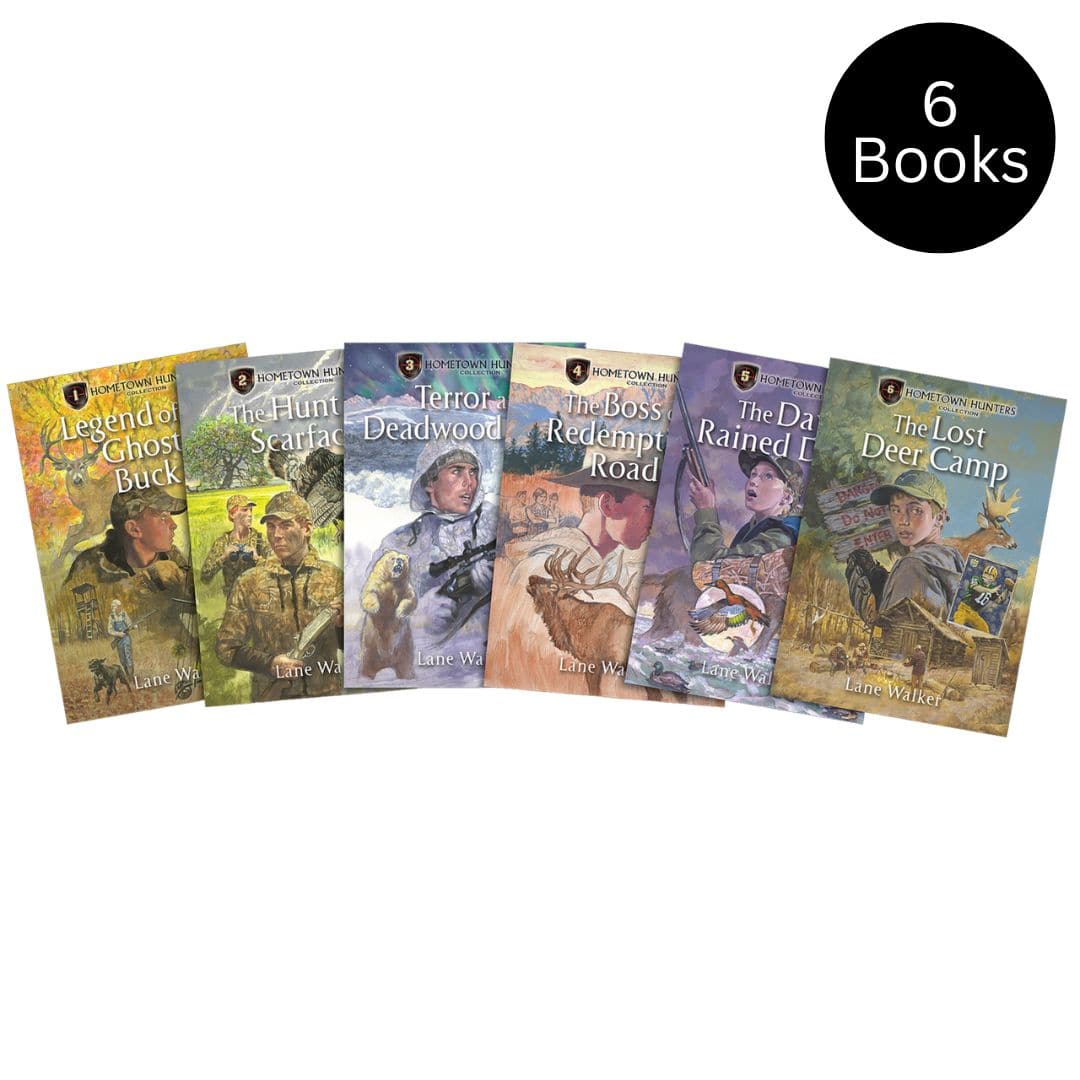
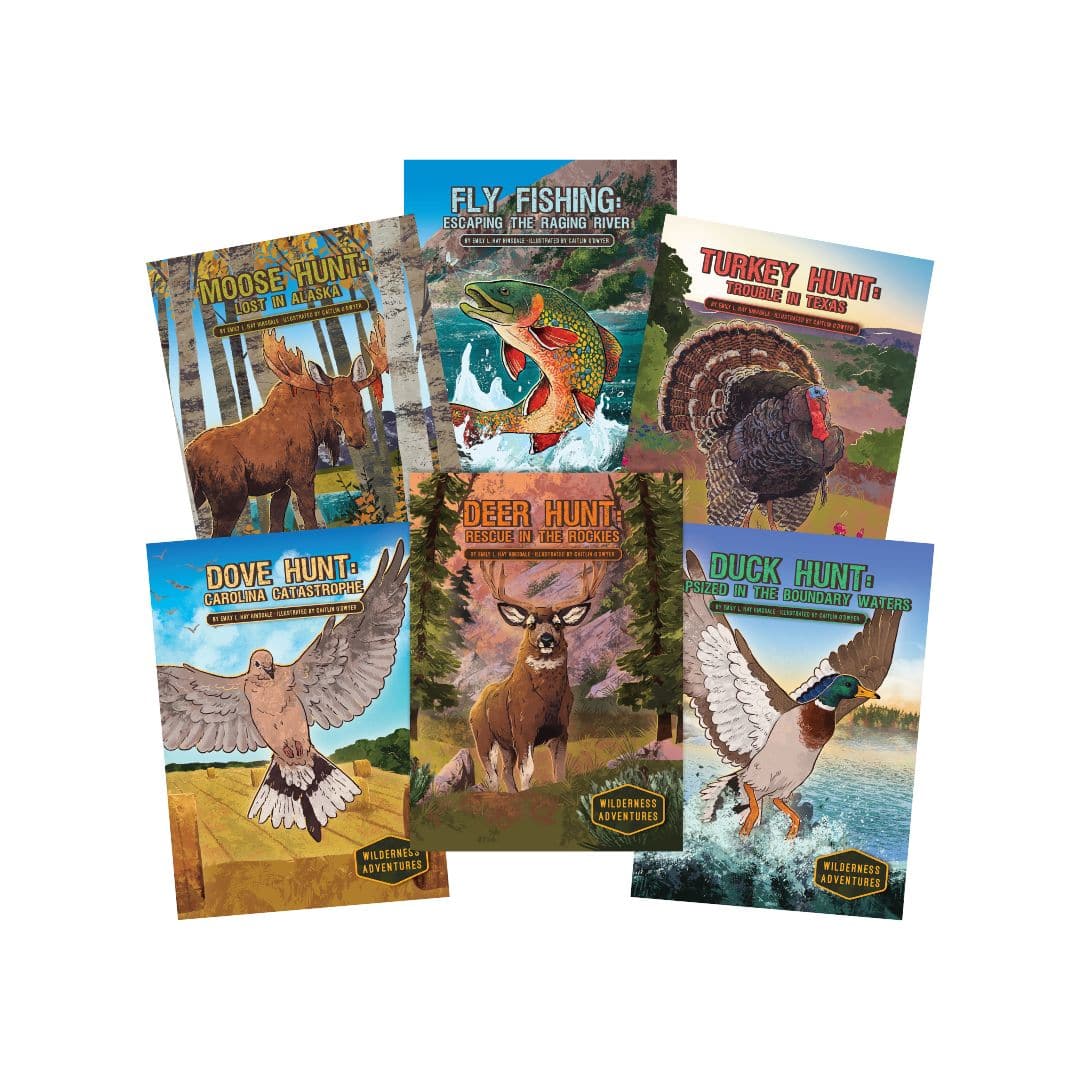
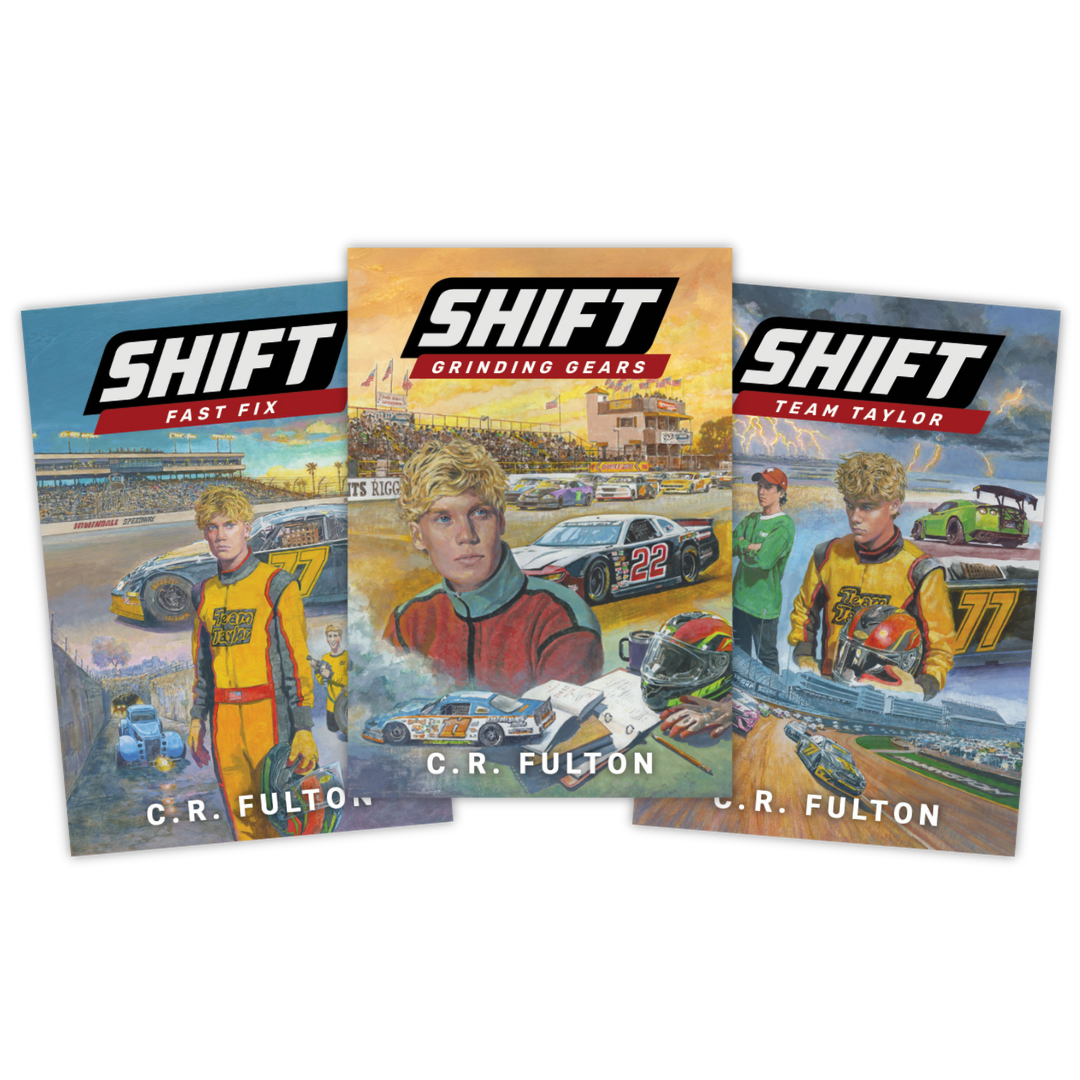
Browse our books by your child’s interest!

The Real Solution Isn’t More Pressure. It’s Better Books
If your child is a reluctant reader, you don’t need to push harder.
You need to shift the experience.
Because when reading feels fun, achievable, and exciting, kids don’t resist it, they lean into it.
Confidence builds naturally.
Motivation follows.
Habits form without forcing them.
And it all starts with one simple change:
Giving them books they actually want to read.
That’s the difference between a child who has to read… and a child who chooses to.
That’s the difference the right books make. That’s the difference Bakken Books deliver.
Browse our books boys and girls ages 8-12 can’t put down.
Common Questions About Reluctant Readers
What is a reluctant reader?
A reluctant reader is a child who can read but chooses not to. This is often because of frustration, lack of interest, or negative experiences with books.
This doesn’t mean they dislike learning. It usually means they haven’t found books that match their interests or confidence level yet. When kids are given engaging, accessible stories, many reluctant readers quickly become more motivated.
What causes a child to dislike reading?
There are a few common reasons children resist reading:
-
Books feel too difficult or overwhelming
-
Stories don’t match their interests
-
Reading feels like pressure instead of fun
-
They’ve had frustrating or discouraging experiences
In most cases, it’s not about ability. It's about a past experience. Fast-paced, engaging stories can completely change how a child feels about reading.
What are the best books for reluctant readers?
The best books for reluctant readers have:
-
Short chapters
-
Fast-moving plots
-
Relatable characters
-
Strong hooks in the first few pages
-
Books that feel like an “easy win” help build confidence quickly.
You can find engaging, age-appropriate options by exploring the curated selections available at Bakken Books.
How long should my child read each day?
For reluctant readers, shorter is often better. Start with 10-15 minutes a day, a chapter at a time, or stopping while they are still engaged.
The goal is consistency and enjoyment. As your child becomes more interested, their reading time will naturally increase.
How do I know if a book is the right fit for my child?
A good book fit looks like:
-
Your child stays engaged
-
They understand most of what they’re reading
-
They show curiosity about what happens next
A poor fit looks like:
-
Frequent frustration
-
Avoidance
-
Loss of focus
Not sure what books your kid will love? Take our quiz!