Understanding Accelerated Reader (AR) Levels and Picking the Right Books
If your child’s school uses Accelerated Reader (AR), you’ll probably see a mix of reading numbers, like an ATOS/AR book level (4.6 or 5.3), AR Points, and sometimes a Lexile measure (like 650L). It can feel like alphabet soup, but they’re all trying to solve the same problem: helping kids choose books that are a good fit and supporting steady reading growth.
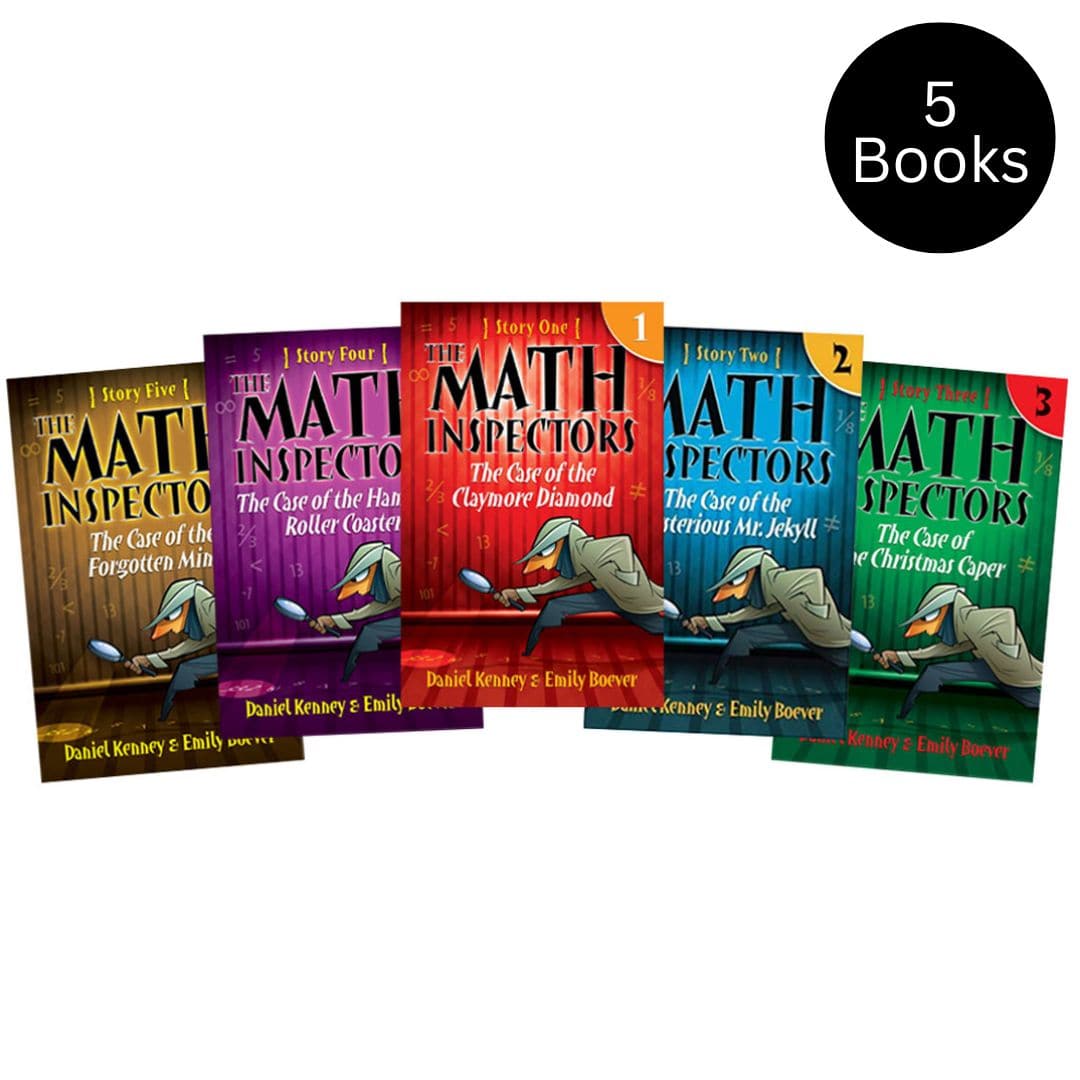
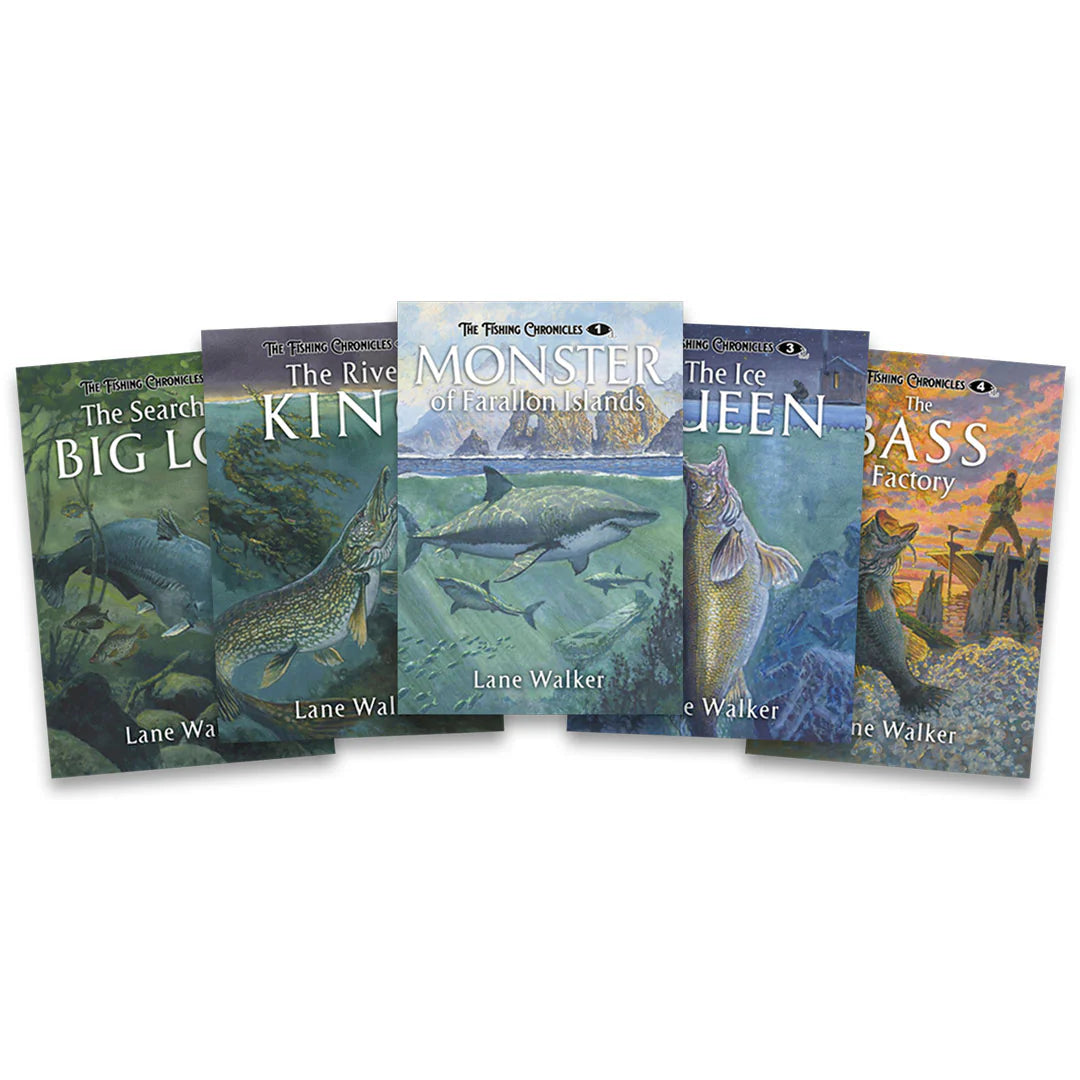
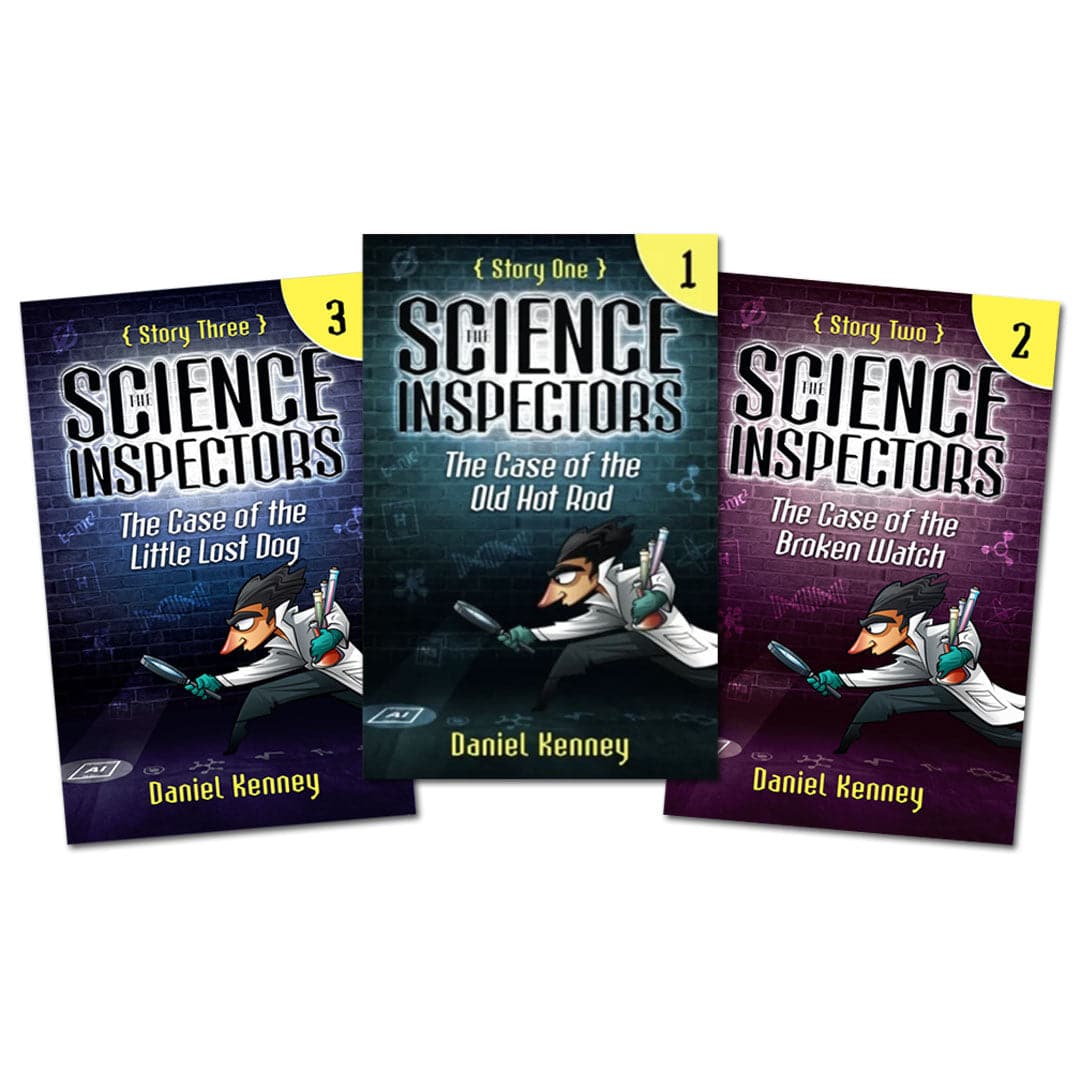
 In this guide, we’ll break down what AR levels (ATOS) actually mean, how AR Points are calculated, and how Lexile works alongside AR so you can confidently pick books that match your reader’s ability, interest, and school goals. Plus, we’ll share which Bakken Books series are AR approved and list point values to make choosing even easier.
What “AR Level” usually means (ATOS Book Level)
On our approved list, you’ll see ATOS Level next to each title. ATOS book level is a measure of text readability, how difficult the words and sentence structure are. It helps match books to a student’s reading ability. So let’s breakdown it down:
How to read a number like “4.5”
Renaissance (Accelerated Reading Bookfinder) uses a common interpretation:
-
4.5 ≈ “typical fourth-grade reading skills, fifth month of school” (as a readability estimate)
Notate chart below:
 Important to note: Readability ≠ maturity of content. That’s why schools often pair book level with interest level guidance. That's why at Bakken Books we hone in on creating interest-based chapter books.

Click to see full: Bakken Books AR Approved Book List and Levels
What AR Points and Quizzes (and why they matter)
AR Points are designed to measure the amount of reading practice a student is getting. A quiz’s point value is based on:
-
the book’s difficulty (ATOS level) and
-
the book’s length (word count)
In many classrooms, students have point goals per grading period, so choosing books with AR quizzes and known point values helps kids track progress more easily.
AR Points don’t come just from just finishing a book, they come from finishing the book and then showing comprehension on an AR quiz. In Accelerated Reader, most students take a Reading Practice Quiz after they read a book. The quiz checks basic understanding (think: key events, characters, sequence, main ideas), and the student gets a percent correct score.
 Points earned = point value × quiz score
Every AR quiz has a total point value based on the book’s difficulty (ATOS) and length (word count). Then, the student earns a portion of those points based on their quiz score. In other words: higher scores earn more of the available points.
What does it mean to “pass” an AR quiz?
Schools can set a “passing percentage” for quizzes. Renaissance also notes that a student’s best growth is often seen when they’re scoring around 85% correct or higher on quizzes in their reading range, consistently scoring mu
ch lower can be a sign the books are too hard right now.
After the quiz: what families/teachers see
After a quiz, students can view or print a TOPS Report (“The Opportunity to Praise a Student”), which shows things like:
-
the quiz score / percent correct
-
the points earned
-
the book and quiz info
-
(often) progress toward goals
Why this matters
AR quizzes help teachers and parents see two things at once:
-
Reading volume (points and number of books/quizzes completed)
-
Reading comprehension (percent correct/accuracy)
That combination is why points are motivating, but quiz accuracy is what keeps the reading content the “right fit,” not just “fast.”
Lexile Levels + How to Use Lexile as another Tool
Lexile is another readability measure (like ATOS), and many schools use it to help match kids with “just-right” books. The key idea for parents: Lexile is a quick way to estimate how challenging a book’s text is, and you can often view a book’s Lexile level right alongside AR details (ATOS + points).
Lexile chart (typical student measures by grade)
These are end-of-year (spring) typical student Lexile measure ranges shown as 50th–90th percentile norms. They’re not “requirements,” just a helpful benchmark.
Lexile Level Chart:

Important to note: Grade level and Lexile don’t match perfectly for every child, and that’s normal, kids can fall above/below these ranges and still be thriving.
How to find a book’s Lexile or AR level
If you want a simple “check the level” tool, AR Bookfinder is perfect because you can search by title (or even search using a Lexile or AR level measure) and see quiz details.

AR Bookfinder link: https://www.arbookfind.com/default.aspx
And if your school uses Lexile alongside AR, Renaissance notes that students/teachers can often see Lexile measures alongside ATOS when searching for quizzes and viewing book info (depending on settings).
Click link below to read more: More Information on the Lexile Goals
The 3 “Levels” That Help Kids Choose The Right Book
Accelerated Reader can look confusing at first, but it really comes down to one simple goal: helping kids choose books they can read successfully and actually want to finish. The numbers each play a different role. ATOS (AR Level) estimates how complex the text is, AR Points encourage reading volume and reward comprehension through quizzes, and Lexile is a helpful second “level-check” to confirm a book is in the right challenge zone.
The best results happen when you don’t rely on just one score. Renaissance recommends thinking in three parts:
-
Book Level (ATOS): How hard the text is.
-
Reading Level: The child’s tested/estimated reading ability.
-
Interest Level: Whether the content is a good fit for the child’s age and maturity.
In Conclusion:
If your child is consistently scoring low on quizzes, it doesn’t mean they’re “behind”—it often just means the book is a bit too hard right now, or not a great match for interest. If they’re scoring high and flying through books, they may be ready to nudge the challenge up while keeping the topic exciting. That’s why interest-based series matter: when kids are hooked, they read more, understand more, and grow faster.
Bottom line: Use AR as a guide, not a label. Pick books that build confidence, support steady growth, and keep reading fun—and you’ll see progress that lasts far beyond point goals.