Helping your child find the right books can make a huge difference in how they feel about reading. Books that are too difficult can feel frustrating, while books that are too simple may not hold their interest. That’s why understanding the different categories of children’s books, early reader chapter books, middle grade, and young adult (YA); can help parents guide their kids toward stories they’ll truly enjoy.
Table of Contents
Each category is designed with a specific age group, reading level, and maturity level in mind. While these categories are helpful guidelines, every child develops at their own pace, and reading preferences can vary widely.
Below is a breakdown of the three main categories to help you choose age-appropriate books for your young reader.
Early Reader Chapter Books

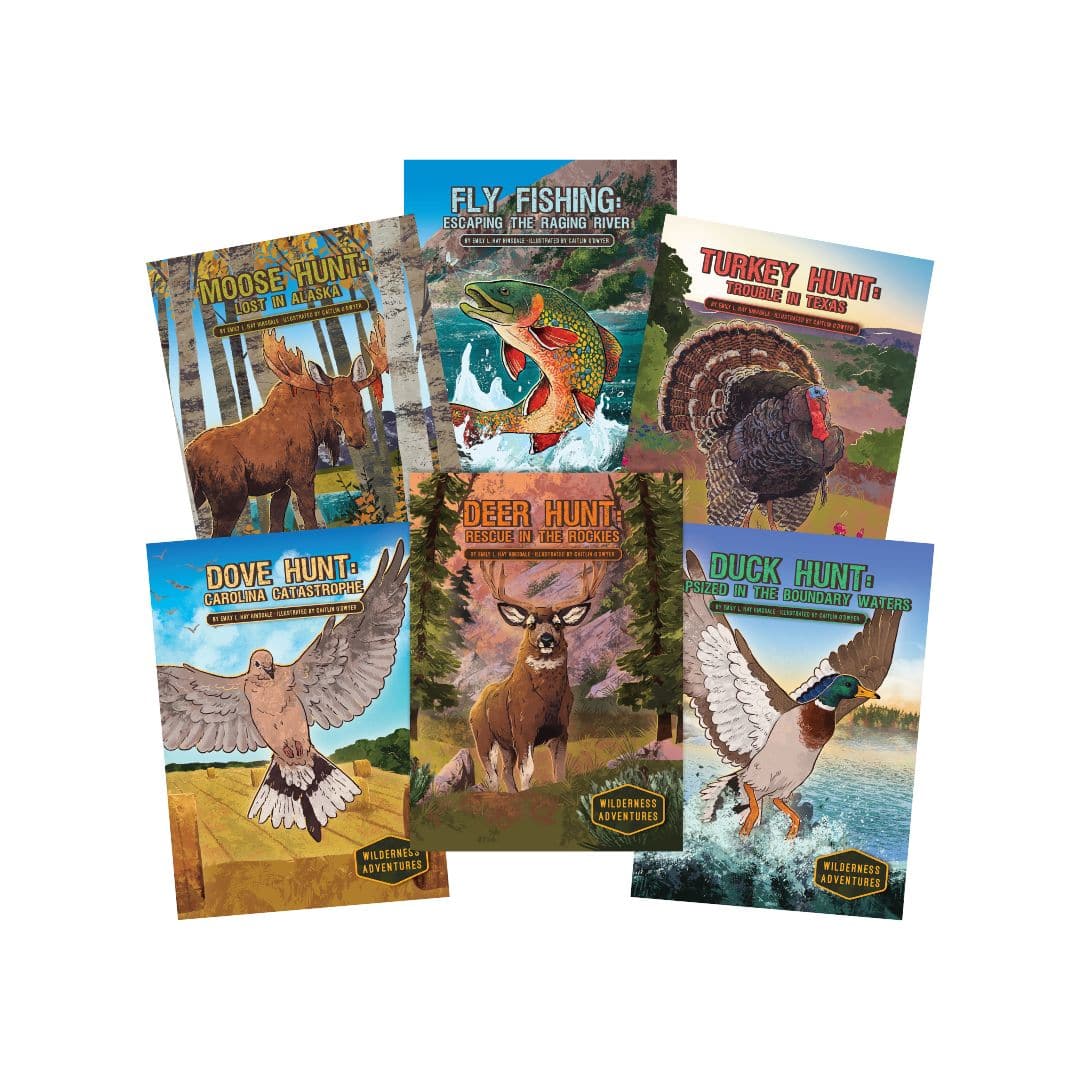
Early reader chapter books are often a child’s first introduction to longer stories after picture books and beginner readers. They introduce chapters while keeping the language simple, sentences short, and plots easy to follow.
These books help children transition toward independent reading by offering longer stories that still feel manageable. Chapters are usually short, allowing young readers to build confidence as they complete sections of the book.
Vocabulary is age-appropriate and often includes repetition and familiar words to support comprehension. Illustrations still appear throughout the book, helping maintain engagement and providing visual support for the story.
Overall, early reader chapter books act as a bridge between simple readers and longer novels, helping children develop reading confidence, stamina, and an understanding of how chapter-based stories work.
Typical Age Range: 5–8 years old (Kindergarten through 2nd or 3rd grade)
Key Characteristics
-
Short chapters
-
Large, easy-to-read text
-
Plenty of illustrations
-
Simple vocabulary and sentence structure
-
Straightforward plots
-
Often written as part of a series
These books help children build confidence, reading stamina, and independence while still providing visual support through illustrations.
Common Themes
 Early reader books focus on simple, relatable experiences that help children build confidence as they transition into independent reading. These stories often center around friendship, kindness, and everyday challenges, giving kids a chance to see themselves in the characters. Light humor, small adventures, and clear problem-solving moments keep young readers engaged while reinforcing positive social and emotional skills.
Popular Examples
- Magic Tree House by Mary Pope Osborne
- Junie B. Jones by Barbara Park
- Mercy Watson by Kate DiCamillo
-
The Princess in Black by Shannon Hale
Middle Grade (MG)

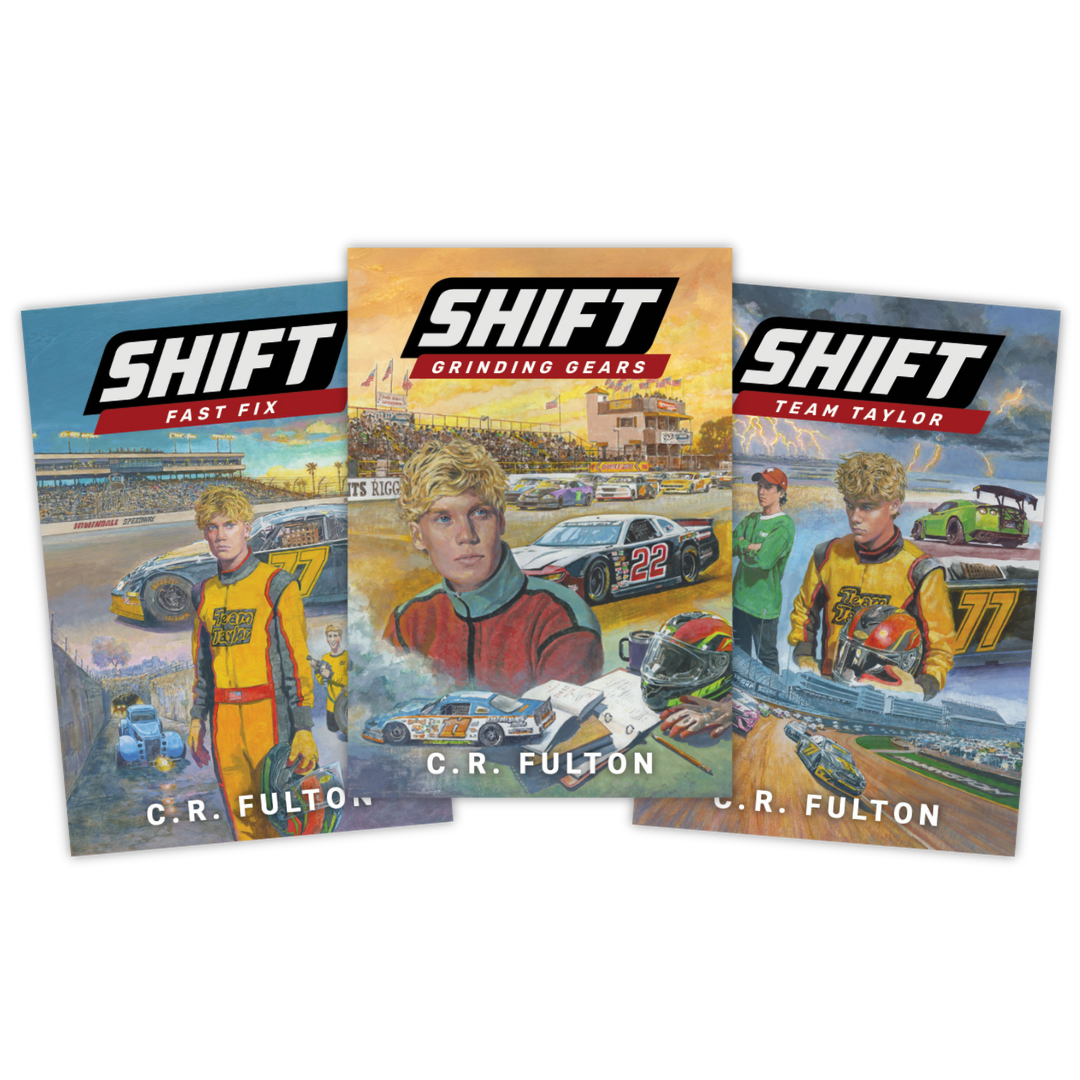
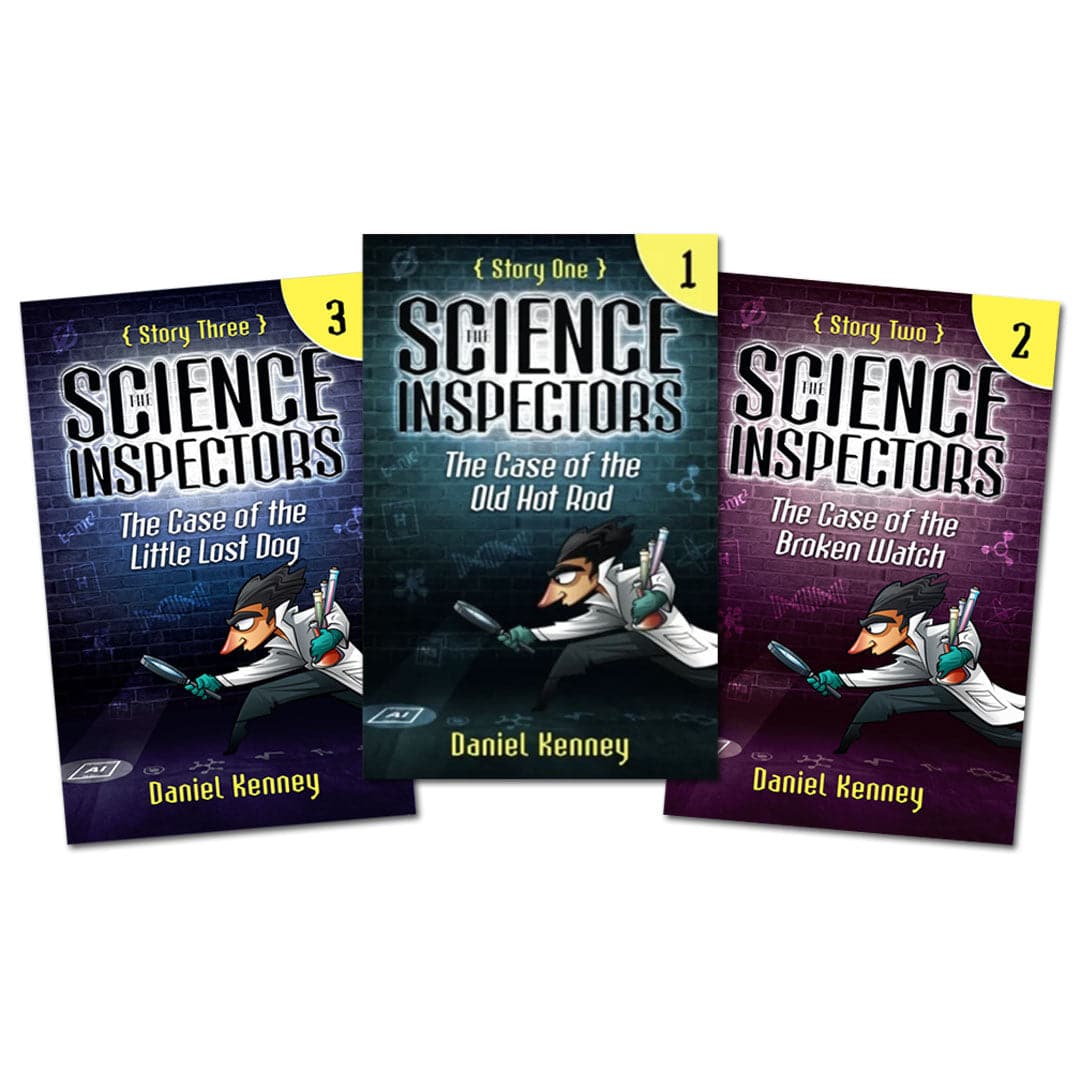
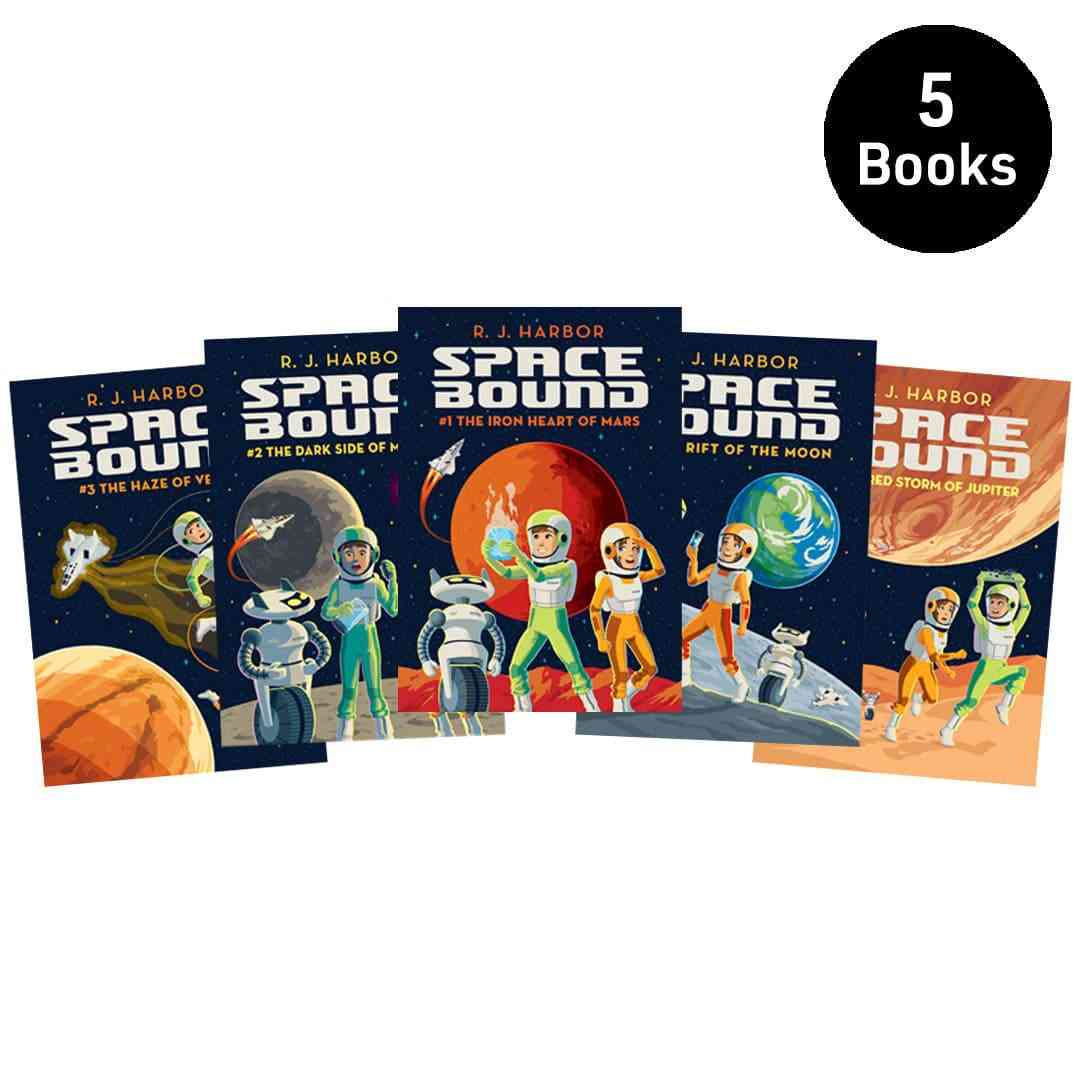
Typical Age Range: 8–12 years old (3rd through 6th grade)
Key Characteristics
-
Usually 150–350 pages
-
More developed plots and character arcs
-
Fewer illustrations or none at all
-
Main characters often ages 10–13
-
Stories focus on personal growth and adventure
Middle grade books often introduce readers to bigger challenges, deeper emotions, and more detailed world-building while remaining appropriate for younger readers.
Common Themes
 Middle grade books explore a wider range of experiences as kids begin to understand themselves and the world around them more deeply. Stories often highlight themes like friendship, identity, resilience, and navigating change, whether at school, at home, or in new environments. Characters face more meaningful challenges, encouraging readers to think critically, build empathy, and see the value of perseverance and personal growth.
Popular Examples
- Percy Jackson and the Olympians by Rick Riordan
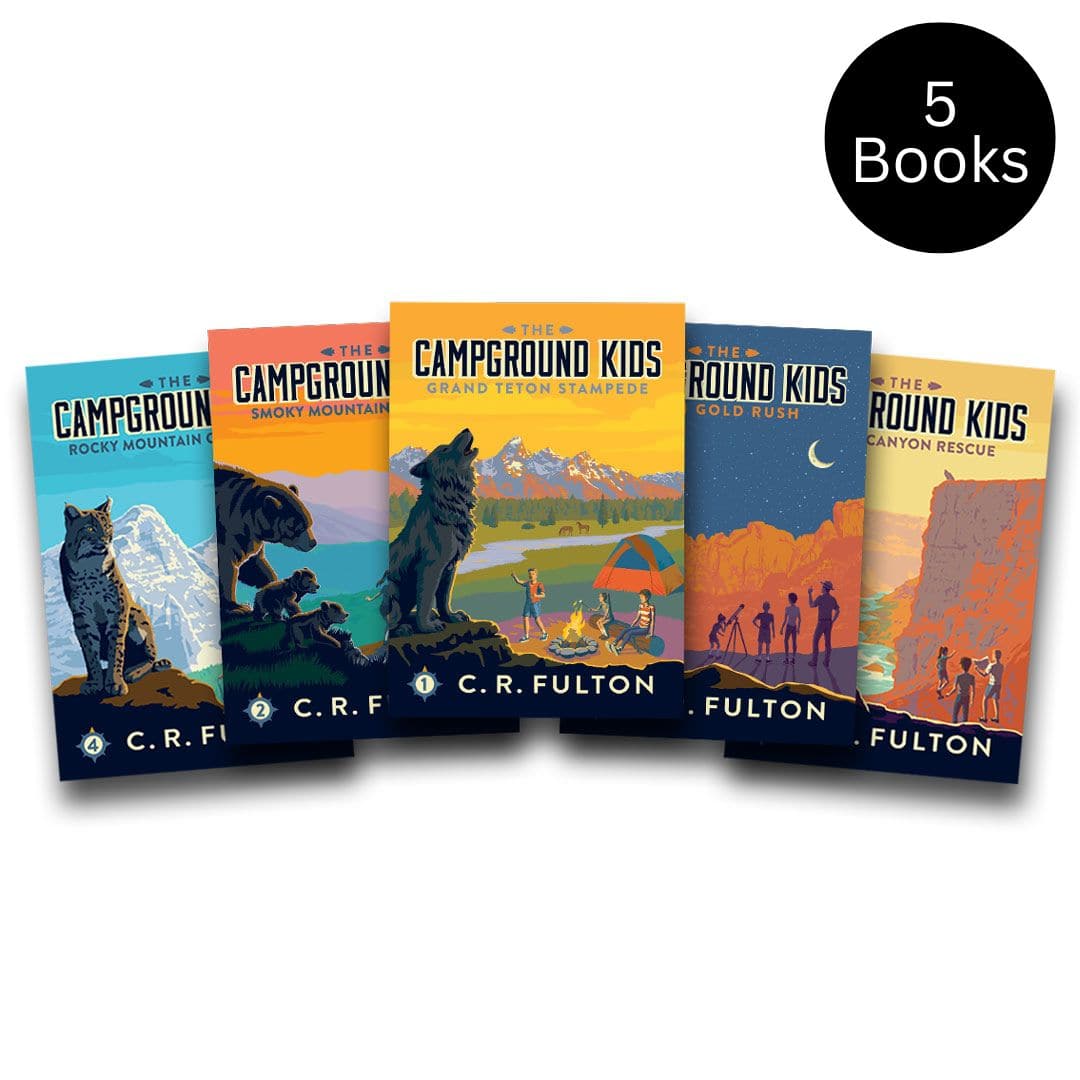
- The Campground Kids C.R. Fulton
- Charlotte’s Web by E.B. White
-
The Wild Robot by Peter Brown
Young Adult (YA)

Young adult (YA) novels are written primarily for teen readers and typically feature teenage protagonists navigating the transition from childhood to adulthood.
These stories often center on characters between the ages of 13 and 18 as they face challenges related to identity, independence, relationships, and personal values. Common themes include friendship, first love, family conflict, self-discovery, mental health, and finding one’s place in the world.
YA novels tend to have more complex plots and deeper emotional stakes than middle grade books. The writing style is still accessible, but it allows for greater nuance, character depth, and exploration of internal thoughts and feelings. The pacing can vary widely, from fast-moving, plot-driven stories to more introspective, character-focused narratives.
Unlike middle grade fiction, YA often explores heavier or more mature topics, though typically through a lens that is more appropriate for teen readers. These may include issues like grief, trauma, social pressures, injustice, and moral ambiguity.
Overall, young adult novels provide readers with stories that reflect the intensity and complexity of the teenage experience, helping them process real-life challenges while building empathy, critical thinking, and a deeper connection to reading.
Typical Age Range: 13–18 years old (middle school through high school)
Key Characteristics
-
More complex storytelling
-
Little or no illustrations
-
Characters typically ages 14–18
-
Strong emotional arcs and character development
-
Themes related to identity, relationships, and independence
YA books often explore real-world challenges and deeper emotional experiences, which can sometimes include more mature themes.
Common Themes
 Young adult books dive into more complex and emotionally rich themes that reflect the realities of growing up. Common threads include identity, independence, relationships, and moral decision-making, often set against higher-stakes conflicts. These stories give teens space to explore who they are and what they believe, while also tackling real-world issues with honesty, depth, and nuance.
Popular Examples
- The Hunger Games by Suzanne Collins
- The Fault in Our Stars by John Green
- Six of Crows by Leigh Bardugo
-
The Hate U Give by Angie Thomas
A Final Thought For Parents
Age categories in publishing are guidelines rather than strict rules. Every child develops reading skills at their own pace. Some younger readers may move quickly into middle grade books, while others prefer to stay with chapter books a little longer.
The most important thing is helping your child find books that spark curiosity and excitement about reading, while also finding options that are appropriate to their age and your family values.
Frequently Asked Questions About Age-Appropriate Books
1. What is the difference between chapter books and middle grade books?
Chapter books are designed for younger readers just beginning longer stories. They have shorter chapters, larger text, and often include illustrations.
Middle grade books are longer, with more complex plots and fewer illustrations, and are intended for more confident independent readers.
2. At what age should kids start reading chapter books?
Most children begin reading chapter books between ages 5 and 8, depending on their reading ability. Some may start earlier, while others may transition later.
The most important factor is choosing books that feel engaging but not overwhelming.
3. What age group is middle grade fiction for?
Middle grade books are generally written for ages 8–12, or roughly 3rd through 6th grade. The protagonists are usually between 10 and 13 years old, making it easier for readers to relate to the story.
4. What age group are young adult (YA) books meant for?
Young adult books are typically intended for ages 12–18. These stories often explore themes related to identity, relationships, and personal growth during the teenage years.
Because some YA books include more mature topics, parents may want to review titles before recommending them to younger readers.
5. Can younger kids read middle grade or YA books?
Yes. Reading ability and maturity vary widely among children. Some strong readers may move into middle grade earlier than expected.
However, parents should be aware that some YA books contain mature themes that may not be appropriate for younger readers.