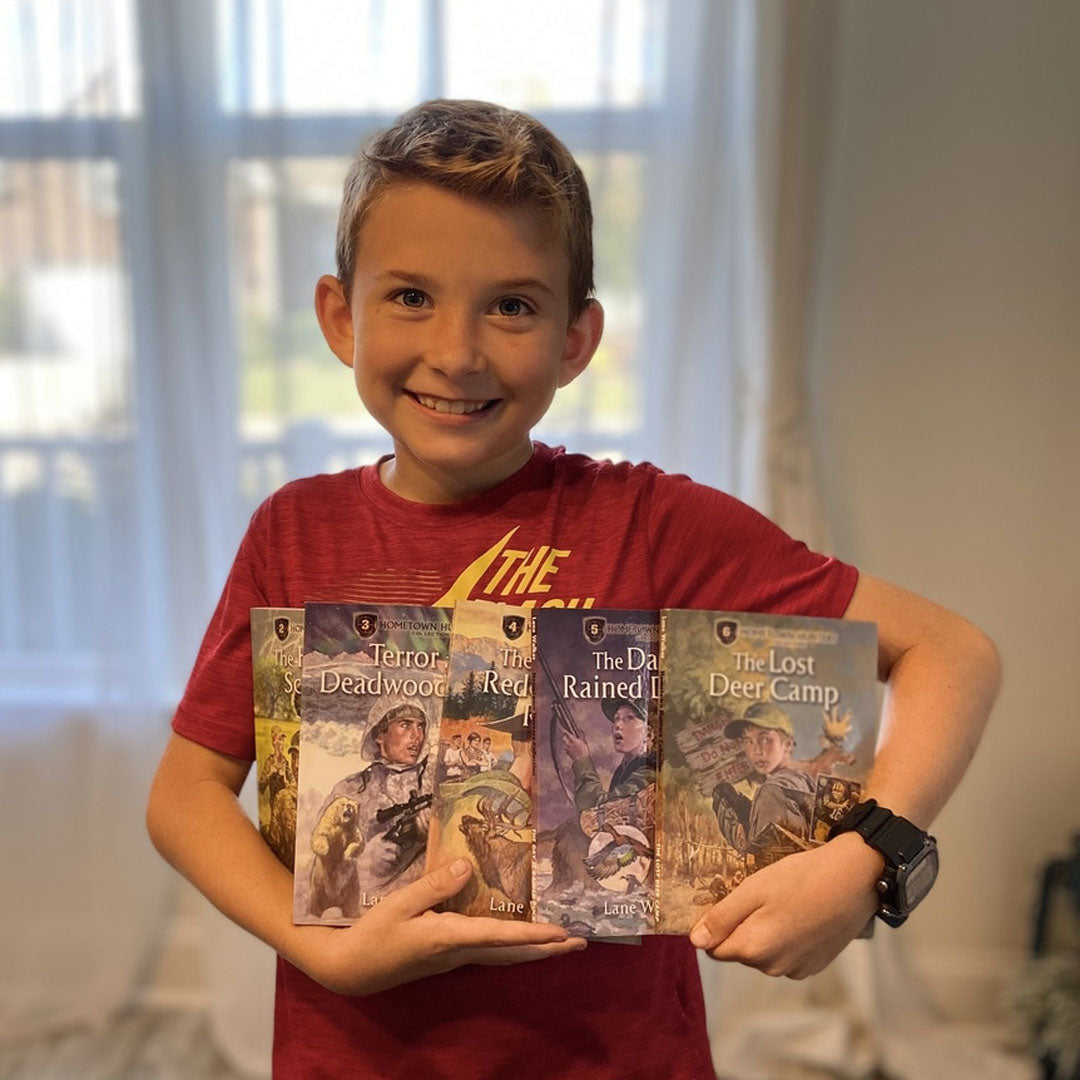
Raising Readers: Why Reading is Important for Kids 8-12
Reading is a crucial part of a child's development and plays a vital role in their future success. From improving language skills and increasing knowledge to fostering imagination and emotional intelligence, the benefits of reading are many and far-reaching. In this blog, we'll explore why reading is so important for kids between the ages of 8 and 12, and what you can do to encourage a love of books and a lifelong love of learning in your child.
Table of Contents
- 1. Improves Language Skills and Vocabulary Development
- 2. Enhances Cognitive Development and Critical Thinking Skills
- 3. Fosters Imagination and Creativity
- 4. Develops Empathy and Emotional Intelligence
- 5. Increases Knowledge and Understanding of the World
- 6. Helps with Concentration and Focus
- 7. Encourages Independent Thinking and Decision Making
- 8. Builds a Lifelong Love of Learning and Curiosity
- 9. Supports Academic Success and Prepares Kids for Future Educational and Career Opportunities
- How Parents Can Encourage a Love of Reading
- Conclusion: Raising Lifelong Readers
1. Improves Language Skills and Vocabulary Development

Reading is one of the most effective ways to improve a child's language skills and increase their vocabulary. When kids read, they encounter new words and concepts, which helps to expand their understanding of the world around them. Regular reading also helps to improve comprehension and listening skills, making it easier for kids to understand what they hear and see.
Reading also helps to improve writing skills. When kids read, they learn how words are put together to form sentences, which in turn helps to improve their own writing abilities. Additionally, reading helps kids to develop a strong sense of grammar and syntax, making it easier for them to express themselves effectively through writing.
2. Enhances Cognitive Development and Critical Thinking Skills

Reading engages the brain and helps to develop critical thinking and problem-solving skills. When kids read, they are forced to think about the events and characters in the book, which helps to develop their analytical skills. Additionally, reading helps kids to understand different perspectives and opinions, which in turn helps to improve their critical thinking skills.
Reading also helps to develop memory skills. When kids read, they are exposed to new information and concepts, which they need to remember in order to understand the story. This helps to improve their memory and recall skills, making it easier for them to remember information they learn in the future.
3. Fosters Imagination and Creativity

Reading is a great way to encourage imagination and creativity in kids. When kids read, they are transported to new and exciting worlds, which helps to open up their minds to new ideas and possibilities. This helps to foster creativity and encourages kids to think outside the box.
Additionally, reading helps kids to understand different perspectives and emotions. When kids read about characters and their experiences, they develop empathy and understanding towards others, which in turn helps to improve their emotional intelligence.
4. Develops Empathy and Emotional Intelligence

Reading is a great way to develop empathy and emotional intelligence in kids. When kids read about characters and their experiences, they are exposed to different emotions and perspectives, which helps to develop their understanding and empathy towards others. This is especially important during the pre-teen and teenage years when kids are starting to navigate the complex social dynamics of adolescence.
Reading also helps to develop a child's emotional intelligence. When kids read, they encounter characters who face challenges and obstacles, which helps to develop their understanding of different emotions and how they are expressed. This helps to improve their ability to empathize with others and respond appropriately in social situations.
5. Increases Knowledge and Understanding of the World

Reading is a great way for kids to learn about a variety of subjects and gain knowledge on topics they may not be exposed to in their daily lives. Whether it's reading about science, history, geography or culture, books are a wealth of information and a great way for kids to explore the world around them.
Additionally, reading helps to improve cultural understanding. When kids read books from different countries and cultures, they are exposed to new ideas and perspectives, which helps to broaden their understanding of the world. This can also help to promote cultural sensitivity and appreciation for diversity.
6. Helps with Concentration and Focus

Reading helps to improve concentration and focus in kids. When kids are engrossed in a good book, they are able to block out distractions and focus on the story. This helps to develop their ability to concentrate and focus, which is important for their academic and personal success.
Reading also helps to improve attention span. When kids read, they need to pay attention to the story in order to understand what is happening. This helps to improve their attention span and makes it easier for them to focus on other tasks, such as homework or classwork.
7. Encourages Independent Thinking and Decision Making

Reading helps to encourage independent thinking and decision-making in kids. When kids read, they are exposed to different perspectives and ideas, which helps to develop their ability to think critically and make decisions based on what they have learned.
Reading also helps to foster self-expression and individuality. When kids read, they encounter characters who are unique and have their own perspectives, which helps to encourage kids to express themselves and embrace their individuality.
8. Builds a Lifelong Love of Learning and Curiosity

Reading is a great way to develop a love of learning and foster lifelong curiosity in kids. When kids read, they are exposed to new ideas and concepts, which helps to develop their love of learning and encourages a lifelong pursuit of knowledge.
Additionally, reading helps to improve literacy skills, which are essential for success in school and in life. When kids develop strong reading skills, they are better prepared for academic success and are able to succeed in their future careers.
9. Supports Academic Success and Prepares Kids for Future Educational and Career Opportunities

Reading is a great way to support academic success and prepare kids for future educational and career opportunities. When kids read, they improve their language and vocabulary skills, which are essential for academic success. Additionally, reading helps to improve critical thinking and problem-solving skills, which are important for success in school and in the workforce.
Reading also helps to improve writing skills, which are important for academic and professional success. When kids develop strong writing skills, they are better prepared for success in school and in their future careers.
How Parents Can Encourage a Love of Reading
Helping kids ages 8–12 develop a love of reading doesn’t have to feel like homework. With the right environment and encouragement, reading can become something kids want to do, not something they’re told to do.
Here are some simple, effective ways parents can nurture a lifelong love of books and learning:
1. Let Kids Choose What They Read
2. Create a Daily Reading Routine
3. Make Books Easy to Access
4. Read Together and Talk About Books
5. Be a Reading Role Model
6. Connect Books to Real Life
7. Celebrate Progress, Not Perfection
Conclusion: Raising Lifelong Readers
In conclusion, reading is a crucial part of a child's development and plays a vital role in their future success. From improving language skills and increasing knowledge to fostering imagination and emotional intelligence, the benefits of reading are many and far-reaching. Encourage your child to read by providing them with a variety of books, setting aside time each day for reading, and promoting a love of books and learning. By making reading a priority in your child's life, you are not only supporting their academic and personal success, but also helping them build lifelong reading habits that can inspire curiosity, confidence, and a love of learning well beyond childhood.