At some point, almost every parent has this moment:
Your kid finishes reading a page, and you casually ask, “What happened?”
And instead of a clear answer, you get…
“I don’t know.”
Or a guess that doesn’t quite make sense.
It’s easy to assume they weren’t paying attention. But that’s usually not the real issue.
Many kids can read the words just fine. The real challenge is understanding them.
That’s what reading comprehension is. And it’s one of the biggest hurdles for a struggling reader.
But the encouraging part? It’s one of the most teachable skills.
With a few simple shifts, you can help your kid go from reading words on a page to actually connecting with the story. Read on!
Table of Contents
Why Do Some Kids Struggle With Reading?
Many parents wonder why their child is having difficulty, especially when they seem capable in other areas. The answer is usually not one single issue. It's a combination of small gaps that add up over time.
1. Decoding Takes Too Much Effort
If your child has to slow down and work hard to sound out words, their brain is focused entirely on reading the text. There’s little mental energy left for understanding it. This often leads to kids finishing a page with no idea what they just read.
2. Limited Vocabulary
Comprehension depends heavily on knowing the meaning of words. Even if a child can pronounce a word correctly, not understanding it breaks the flow of the story.
3. Lack of Background Knowledge
Every reader brings prior knowledge into a story. If a book references experiences, settings, or ideas your child isn’t familiar with, it becomes harder to follow. This is especially true with nonfiction or more descriptive narratives.
4. Weak Working Memory
Reading requires holding onto information while continuously adding new details. If they forget what happened at the beginning of a paragraph by the time they reach the end, comprehension naturally suffers.
5. Low Engagement or Motivation
This is one of the most overlooked factors. If a child isn’t interested in what they’re reading, their attention drifts. And when attention drops, comprehension follows.
Understanding these root causes helps approach the struggle with more clarity and patience.
What Reading Comprehension Looks Like
Strong readers actively think while reading.
They are constantly:
-
Building mental pictures of what’s happening
-
Connecting the story to their own experiences
-
Asking questions (even silently)
-
Predicting what might happen next
-
Noticing when something doesn’t make sense
This kind of thinking doesn’t always come naturally, especially for a struggling reader.
In many cases, kids simply haven’t been shown how to think while reading. They assume reading is about getting through the words, not interacting with the story.
10 Real Strategies to Improve Reading Comprehension for Kids
These strategies are simple to use at home, but powerful when applied regularly.
1. Preview the Book Before Reading
Jumping straight into a book can feel overwhelming for kids who already struggle.
Instead, take a minute to prepare their brain:
-
Look at the cover and illustrations
-
Read the title and talk about what it might mean
-
Flip through a few pages together
-
Discuss initial predictions
This gives your child a mental “roadmap” before they begin.
2. Read Together (Not Just Independently)
When a child is struggling, independent reading can feel like pressure.
Reading together changes that dynamic:
-
You can model smooth, expressive reading
-
Your child hears what fluent reading sounds like
-
They can focus more on meaning instead of just decoding
Even older kids benefit from shared reading. It turns reading into a supported activity instead of a test.
3. Break Reading Into Small Chunks
Long reading sessions can overwhelm struggling readers quickly.
Breaking it down helps:
-
Read a page or two at a time
-
Pause and talk about what happened
-
Ask for a quick summary before moving on
This allows your child to process information in manageable pieces rather than trying to hold everything at once.
4. Ask Better Questions
Not all questions improve comprehension.
Instead of asking your child to recall details, guide them to think more deeply:
-
Why do you think the character made that choice?
-
What would you do in that situation?
-
What do you think will happen next?
-
What was your favorite part of this page?
These types of questions build reasoning and engagement, which are crucial for understanding stories.
5. Encourage Retelling
Retelling is one of the most effective comprehension tools.
When your child explains a story in their own words, they:
-
Organize their thoughts
-
Practice recalling details
-
Strengthen memory
You can make it simple:
-
“Tell me what happened first.”
-
“What was the most important part?”
Over time, this becomes a natural habit for them.
6. Build Vocabulary Naturally
Vocabulary doesn’t need to feel like a lesson. It can feel natural when reading with your kid.
Instead, pause briefly when a new word comes up, explain it in simple terms, and ue it again later in conversation.
The goal is exposure, not memorization. The more words your child understands, the easier comprehension becomes.
7. Make Reading Active (Not Passive)
Many kids read passively; they move through the words without engaging.
You can shift this by encouraging interaction. Do this by asking them to picture what’s happening, connecting the story to real life, or inviting them to guess what happens next.
This turns reading into a thinking activity, not just a mechanical one.
8. Choose the Right Level of Difficulty
This is one of the biggest factors in success.
A book that’s too hard leads to frustration.
A book that’s too easy leads to boredom.
The right book should:
-
Challenge your child slightly
-
Still feel manageable
-
Keep them interested
-
Asking for more
Finding that balance will improve both reading confidence and comprehension.
9. Reread for Understanding
Many kids think they should only read something once.
But rereading is incredibly valuable.
The first read focuses on decoding.
The second read focuses on meaning.
Encourage your child to go back when something doesn’t make sense. This builds deeper understanding and critical thinking over time.
10. Focus on Enjoyment First
If reading always feels like work, kids will resist it.
But when reading feels enjoyable, kids stay engaged longer and think more deeply about the story. In turn, reading comprehension improves naturally.
This is why book choice matters so much. Make sure to buy them books based on their interests. Interest drives effort and effort drives progress.
How to Help Kids With Reading Comprehension (Without Pressure)
When your child is struggling, it’s easy to feel like you need to “fix” the problem quickly.
But pressure often backfires.
Instead…
-
Keep reading sessions short and positive
-
Avoid correcting every mistake
-
Focus on progress, not perfection
A child who feels relaxed and supported is far more likely to improve than one who feels stressed or judged. Confidence plays a huge role here. When kids believe they can understand what they’re reading, they’re more willing to try.
Where Chapter Books Can Make a Big Difference
As children move beyond early readers, chapter books become a powerful tool for building comprehension.
Unlike short texts, chapter books:
-
Require kids to remember details over time
-
Develop deeper storylines
-
Encourage connection to characters
This naturally strengthens comprehension skills.
But the key is choosing the right chapter books.
For a struggling reader, the wrong book can feel overwhelming. The right book, however, can:
-
Build confidence
-
Increase engagement
-
Encourage longer reading sessions
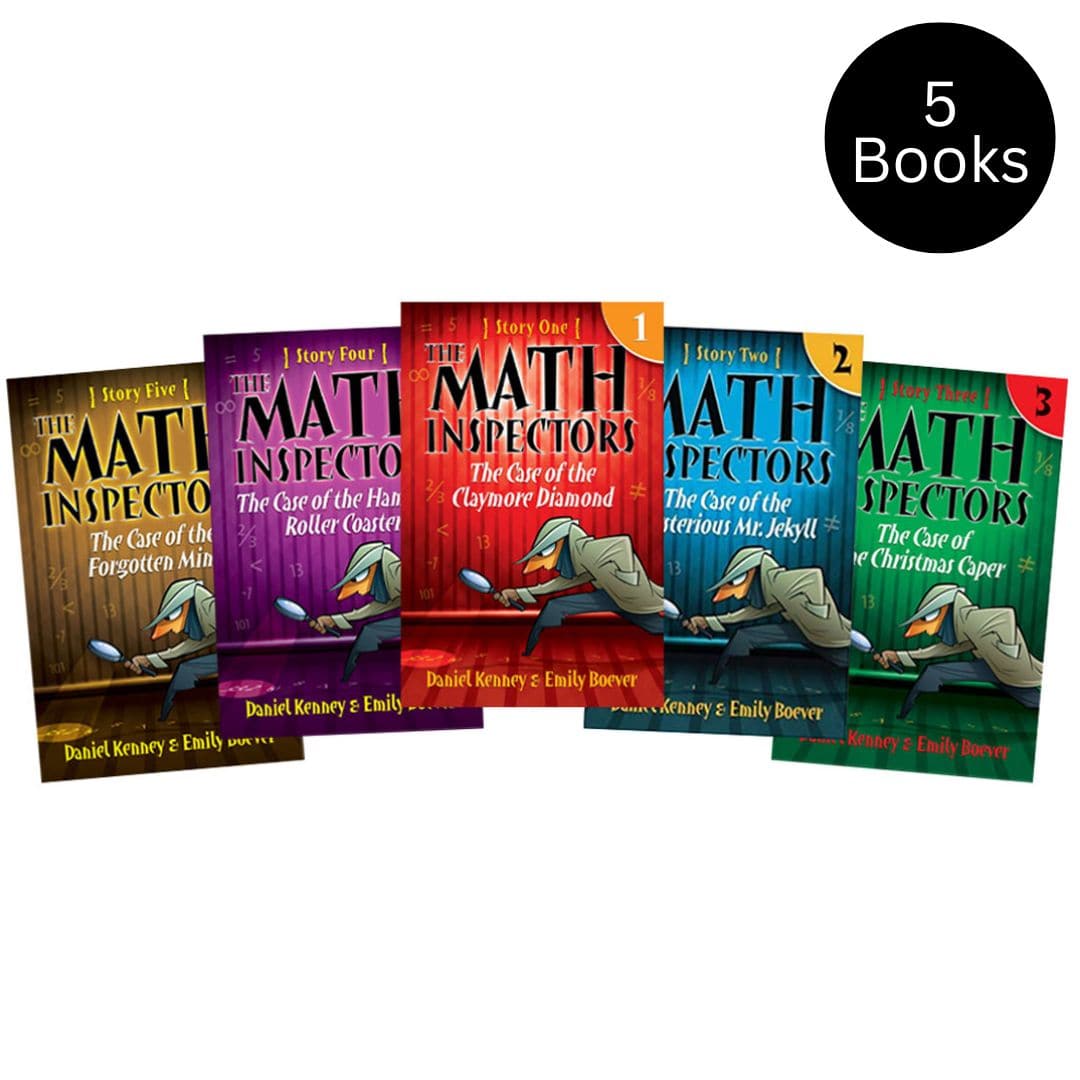
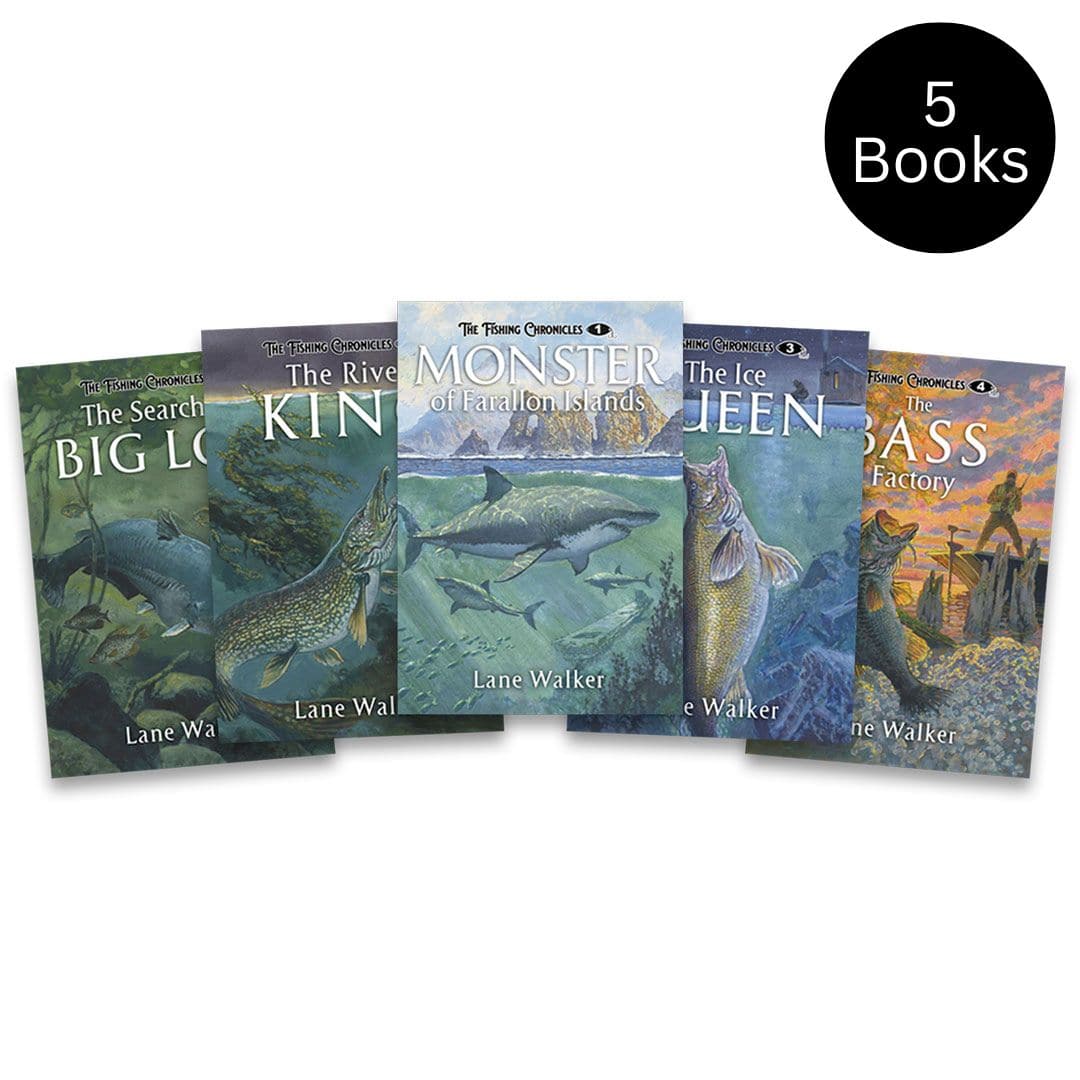
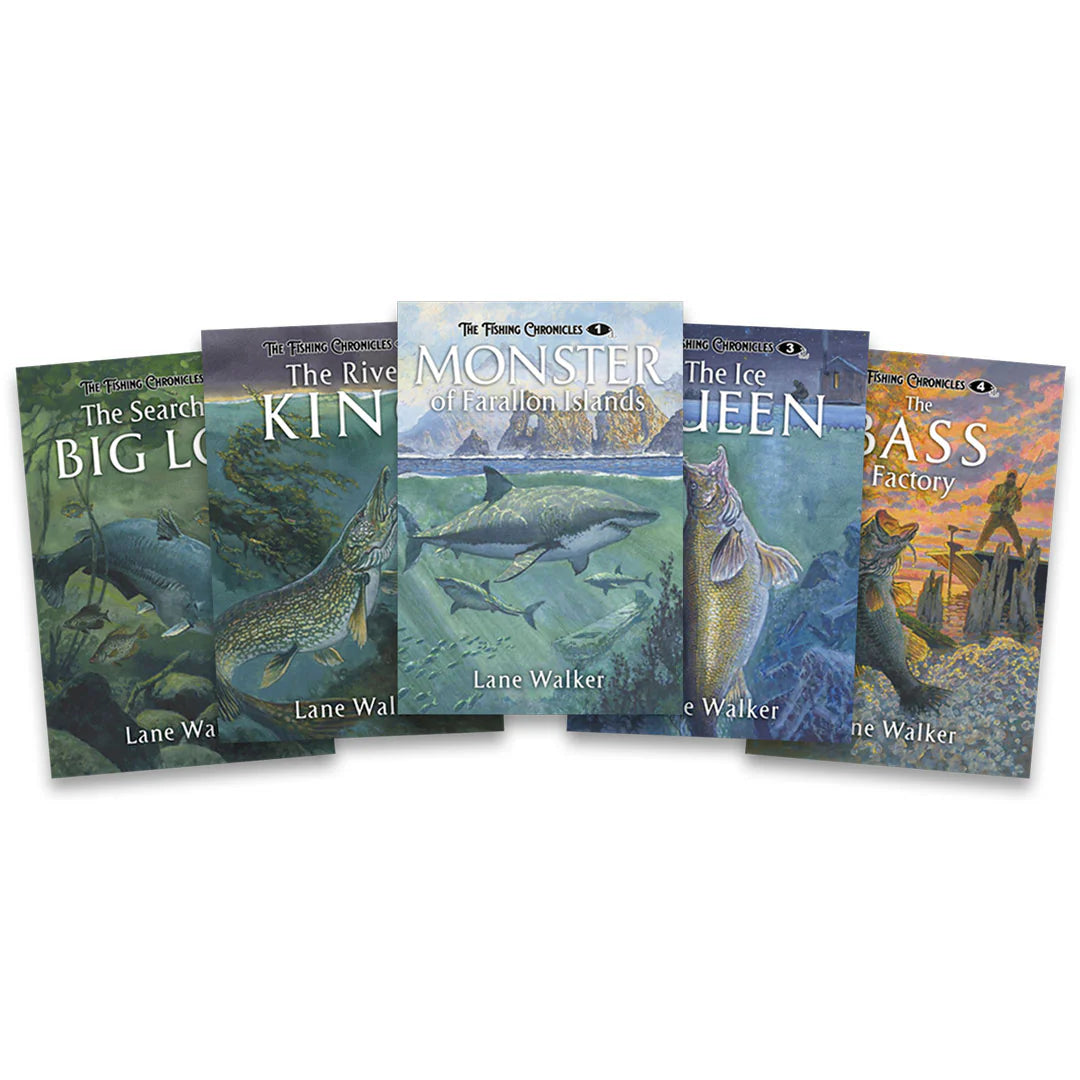
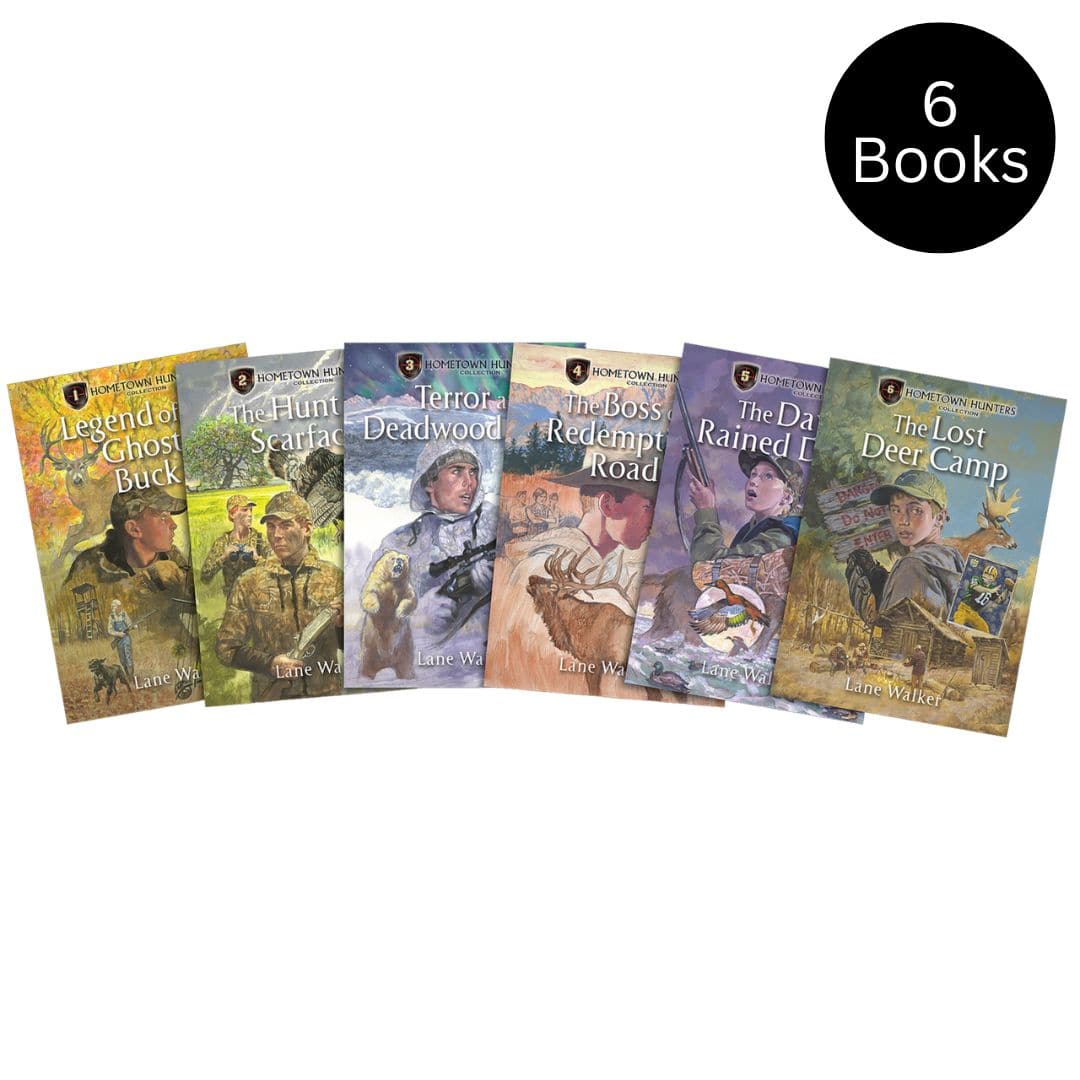
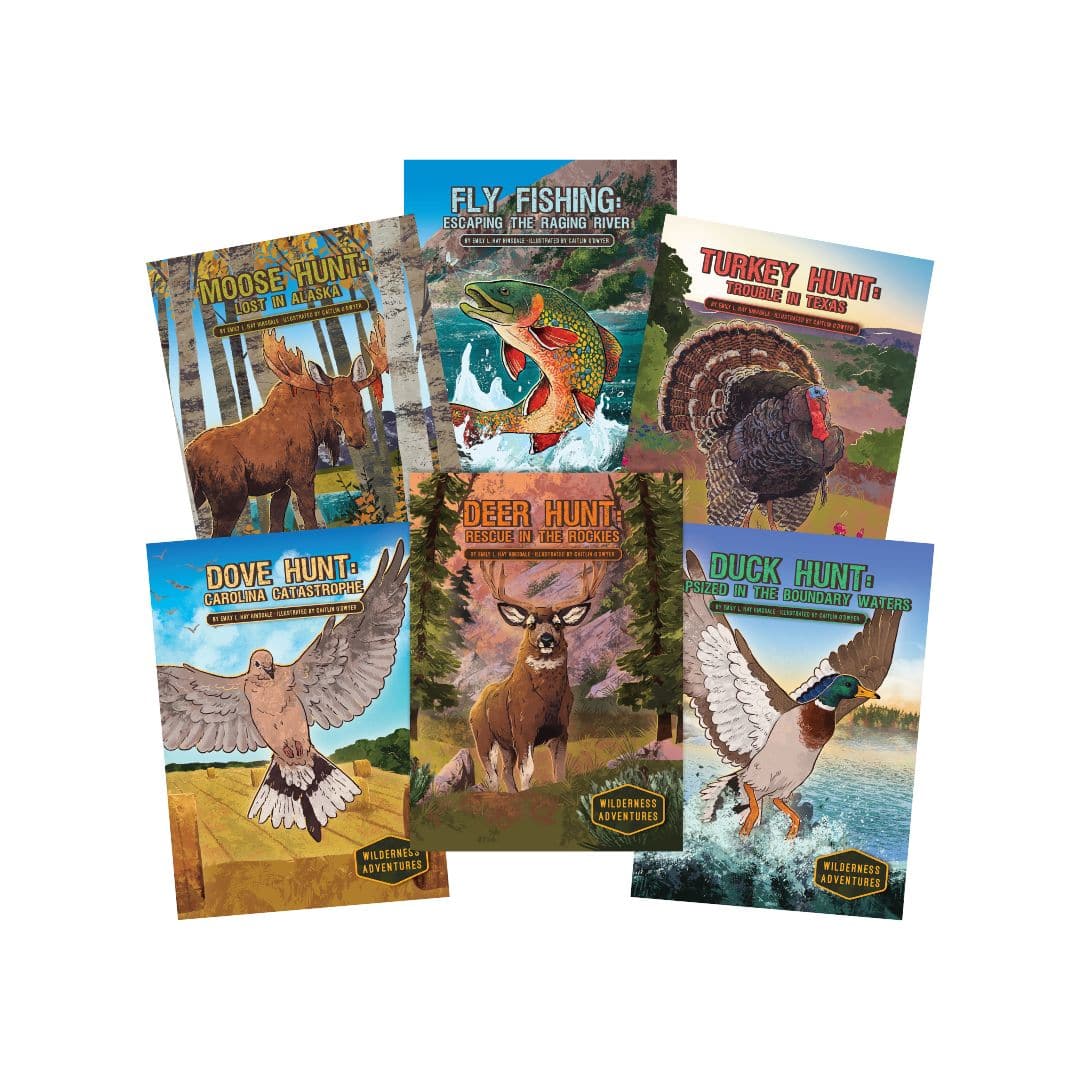
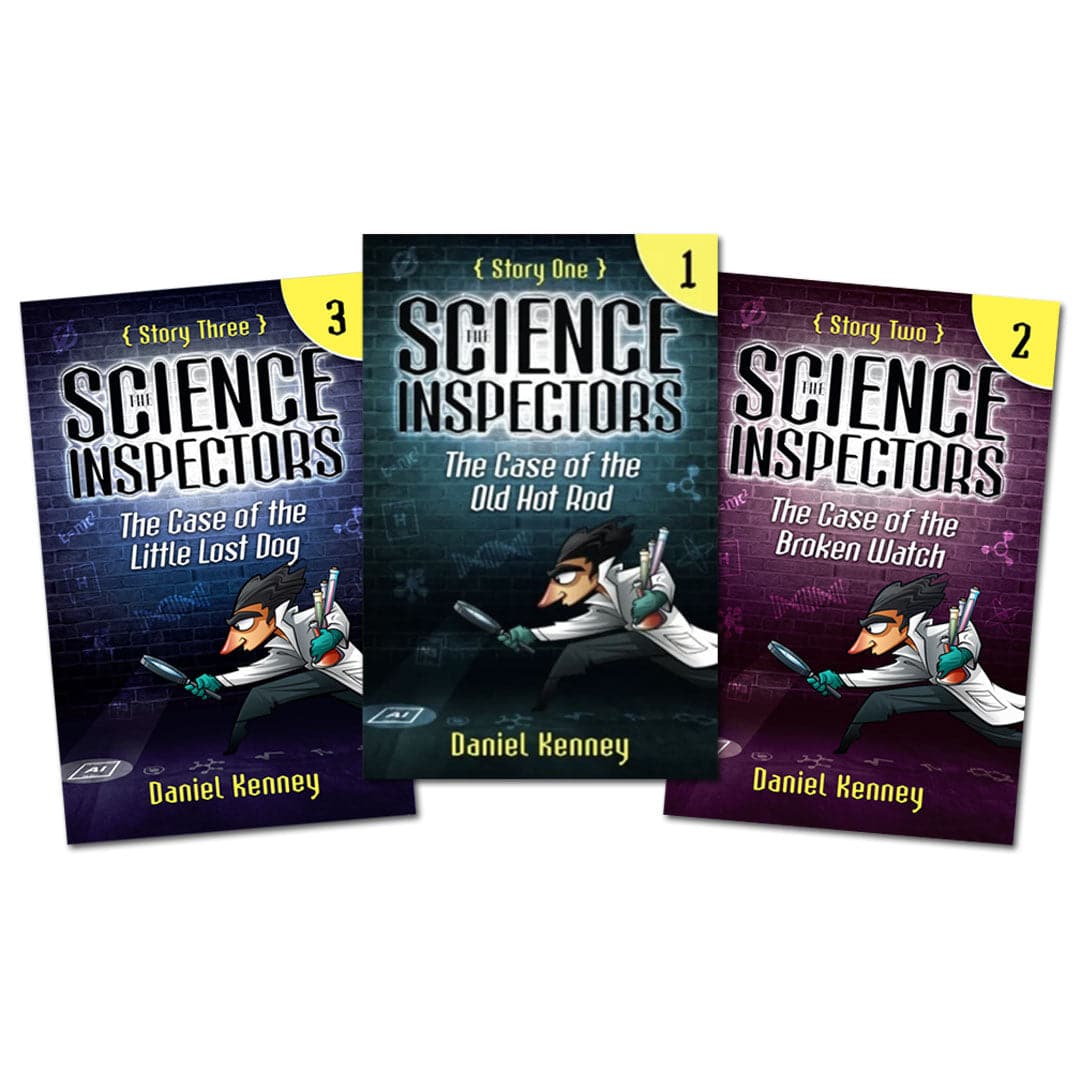
That’s where thoughtfully written series (like those from Bakken Books) can help.
Their structure and storytelling style are designed to:
-
Keep kids interested
-
Provide clear, engaging narratives
-
Support comprehension without feeling difficult
Instead of forcing reading skills, they allow kids to build them through consistent, enjoyable reading experiences.
A Simple Weekly Reading Plan for Parents
If you’re wondering how to put all of this into practice, keep it simple.
3-4 days per week:
-
Read together for 10-15 minutes
-
Pause occasionally to talk about the story
1-2 days per week:
-
Encourage short independent reading
-
Ask for a quick retell afterward
Ongoing:
-
Talk about books casually
-
Let your child help choose what they read
The goal isn’t long sessions. The goal is consistent, positive exposure.

Ready to Help Your Child Become a More Confident Reader?
If your child is struggling with reading comprehension, it doesn’t mean something is wrong.
It means they need support in the right areas.
With the right strategies, the right pace, and the right books, comprehension can improve steadily over time.
And once a child begins to truly understand what they’re reading, something powerful happens:
Reading stops feeling like a task, and starts feeling like an experience.
If you’re looking for engaging chapter books that help build comprehension while keeping kids interested, Bakken Books is a great place to start.