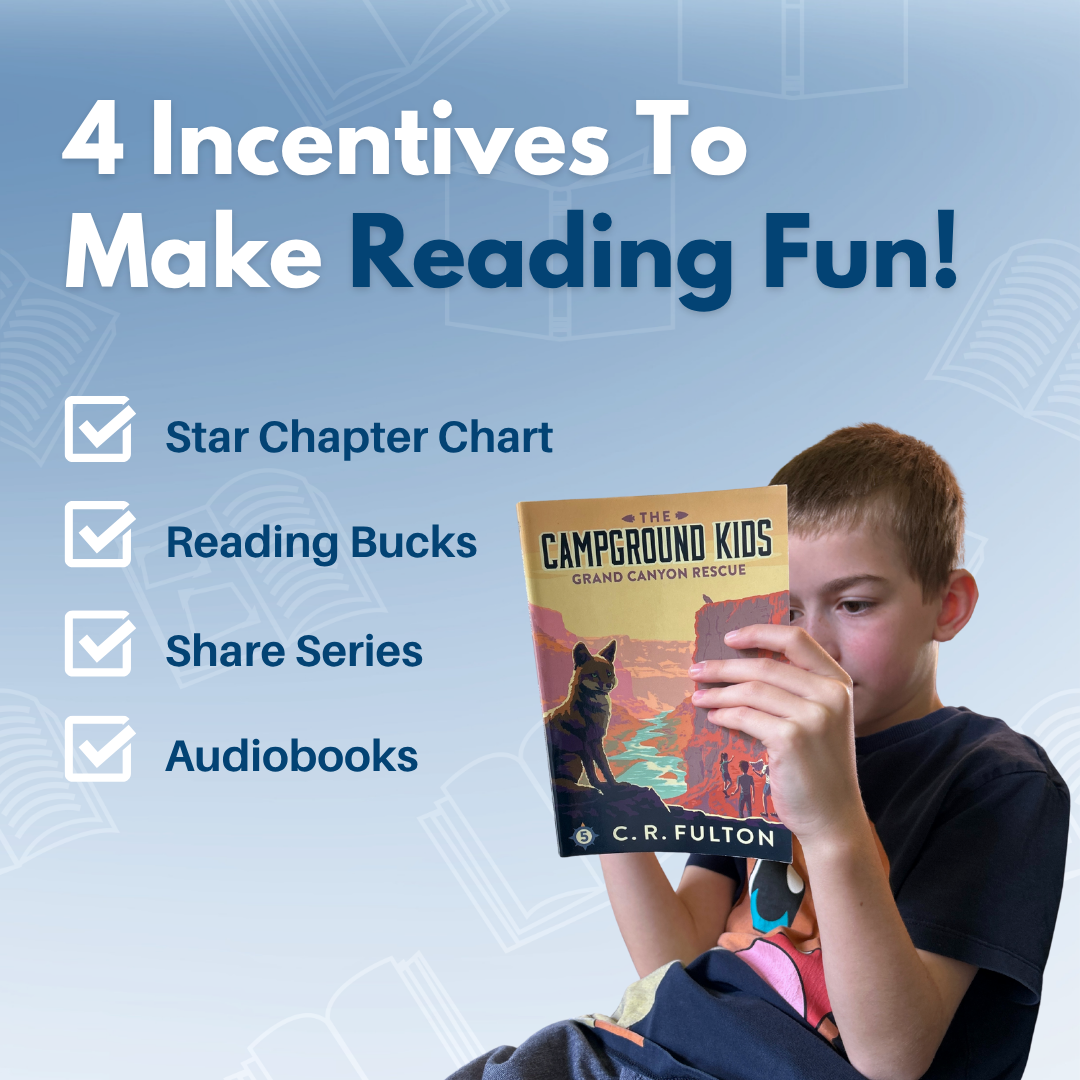
4 Reading Incentives for Parents That Actually Work
Sometimes all it takes is the right book, and the right motivation, to spark a love of reading. Every daily action we take becomes a habit, whether we’re conscious of it or not. The same goes for our children. So, the question is: what reading habits are we instilling in them?
As a mom of four juggling sports schedules, ballet lessons, school pick-ups and drop-offs all on top of a full-time job, I know how difficult it is to find time for reading. Sitting down with each child for their nightly 20-minute reading assignment often feels nearly impossible. Add in the power struggles and exhaustion, and many nights would slip by without building the reading fluency and confidence they needed.
So this past summer I decided we needed to make a change. I broke this power struggle by introducing fun and sustainable reading incentives to my children. These four strategies worked wonders for our family:
1. Star Chapter Chart
We created a star chart to track every chapter read. To make it fun, we took a trip to the dollar store where each child picked out their favorite stickers. Every chapter read, earned a star sticker. After every seven stars, they’d earn a reward—usually a popsicle (which, for my 9- and 7-year-olds, was more than enough motivation!). Once the whole chart was filled with stickers, then we would offer a larger reward. For my family, that typically meant going to our local Penny Arcade or Chuckie Cheese's. Obviously, cater this award based on what works with your family's budget and age groups, etc. My kids now fly through their charts, so we typically just re-print new ones at the start of every month.
Download Free Personalized Reading Chart.

2. Reading Bucks
We introduced “Reading Bucks”, a system where every completed book earned a $10 Reading Buck. At the end of each month, the bucks could be exchanged for real money to spend at the dollar store or Target. We turned this into a big deal by celebrating their monthly reading accomplishments together as a family.
This not only motivated them individually but created healthy sibling competition and collaboration. They saw the rewards of each other’s efforts, which helped set individual reading goals for the following month.
Download Free Reading Bucks pdf.

3. Shared Series & Sibling Incentives
We encouraged my kids to read together, especially my 9-year-old son and 7-year-old daughter. We selected a book series that appealed to both (The Campground Kids was my kids' favorite) and allowed them to co-read and co-collect their rewards. This gave my son the opportunity to take on a leadership role and earn an extra star for helping his younger sister in the process.
This approach helped foster responsibility, teamwork, and positive sibling interaction, all while reinforcing reading as a shared, enjoyable activity.
4. Audiobooks with Physical Books
One of the biggest game-changers for us was incorporating audiobooks with physical books. The rule was simple: they had to follow along in the book as they listened. This mind-body connection made a huge difference, especially with books that were slightly above their independent reading level. (Pro Tip: We had our Amazon Alexa read it to them aloud)
Audiobooks helped build confidence with more complex vocabulary and improved their comprehension. They began to tackle higher-level books with enthusiasm, feeling proud of their ability to understand and keep up.
*All incentives above applied to audiobook reading as well.
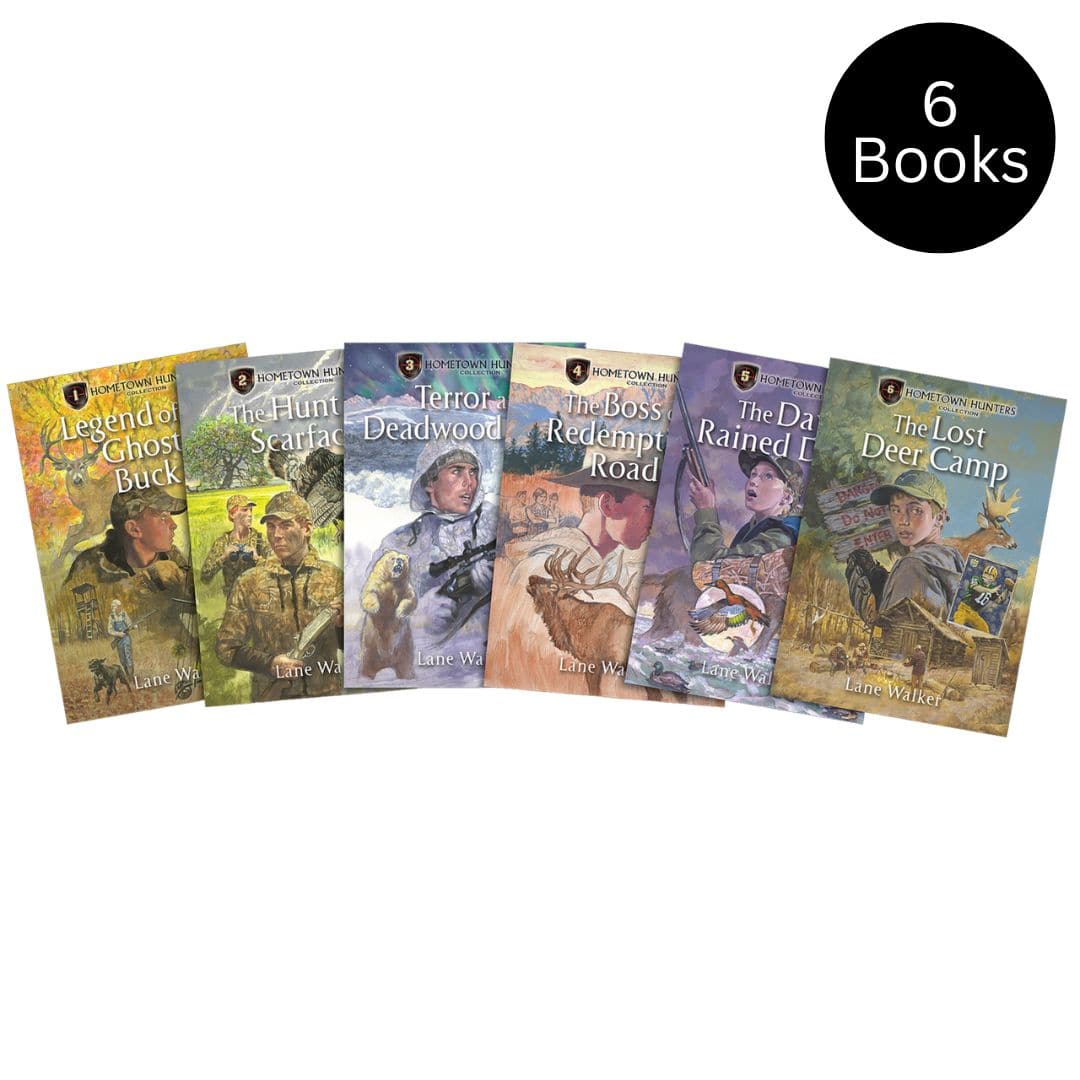
Series like The Campground Kids & Hometown Hunters can be found on Audible!
Why These Incentives Make Reading Fun
The goal isn't to bribe children into reading forever. Instead, incentives help create positive associations with books during the early stages of building a reading habit. Over time, many kids continue reading because they genuinely enjoy it, not because they're focused on the reward.
These four reading incentives work because they tap into multiple proven motivators:
-
They create a sense of accomplishment. When kids can visually see their progress, that feeling of achievement encourages them to keep going.
-
They make reading feel interactive. Children are naturally drawn to activities that feel engaging and rewarding. A reading chart or family challenge transforms reading from a task into an experience.
-
These incentives help build consistency. Reading skills improve through repetition. Small incentives can help establish the routine that eventually becomes a lifelong habit.
-
They help make reading enjoyable for struggling readers. Children who find reading difficult often avoid it because they associate it with frustration. Incentives provide positive reinforcement that helps shift that mindset. Instead of focusing on what feels hard, they start focusing on their progress and success.
The more positive interactions kids have with books, the more likely they are to become confident readers.
Encourage a Love of Reading for a Lifetime
Building strong reading habits doesn’t have to feel like a chore, for you or your children. With a little creativity and consistency, we can make reading a joy, not a battle. These four simple strategies helped us stay on track, boost reading confidence, and most importantly, nurture a love for literature that lasts a lifetime.
Frequently Asked Questions About Making Reading Fun
Is it okay if my child only wants to read the same book or series repeatedly?
Yes. Re-reading is actually beneficial! It builds confidence, improves fluency, and helps kids recognize words faster. Familiar stories feel safe, which can be especially helpful for hesitant or struggling readers.
How do I know if my child is actually improving at reading?
Look for signs beyond speed like smoother reading aloud, fewer pauses, better understanding when retelling the story, and increased willingness to pick up books on their own. Confidence is often the biggest indicator of progress.
My child reads fine but says they still “hate reading.” What does that mean?
This usually means reading feels like a task, not an experience. They may associate it with school pressure rather than enjoyment. Shifting the focus to choice, interest-based books, and relaxed reading time can help change that perception.
When should I worry about my child’s reading level?
If your kid consistently avoids reading, struggles to recognize simple words, or becomes very frustrated even with easy texts, it may be worth checking in with their teacher or a reading specialist. Early support makes a big difference.