Watching your child grow into a confident reader is one of the most rewarding parts of parenting. Between the ages of 7 and 12, children move from learning how to read to reading in order to learn. During these years, reading becomes a powerful tool for imagination, emotional growth, and academic success.
Every child develops at their own pace, but understanding common reading milestones by age can help parents support their child without unnecessary stress. Knowing what skills typically develop during each stage can also help you recognize when your child may need extra encouragement or support.
This guide breaks down reading development milestones for children ages 7 through 12 in a simple, parent friendly way.
Why Reading Milestones Matter
Reading milestones are not strict rules. They are general benchmarks that show how children commonly progress as readers over time.
Some children become fluent readers early, while others take more time to build confidence. The goal is not perfection. The goal is steady growth, curiosity, and a lifelong love of reading. Strong reading skills help children build vocabulary, improve comprehension, strengthen writing abilities, develop empathy, and gain confidence in school and everyday life.
The good news is that parents play an important role in helping children grow into strong readers, even after kids become more independent.
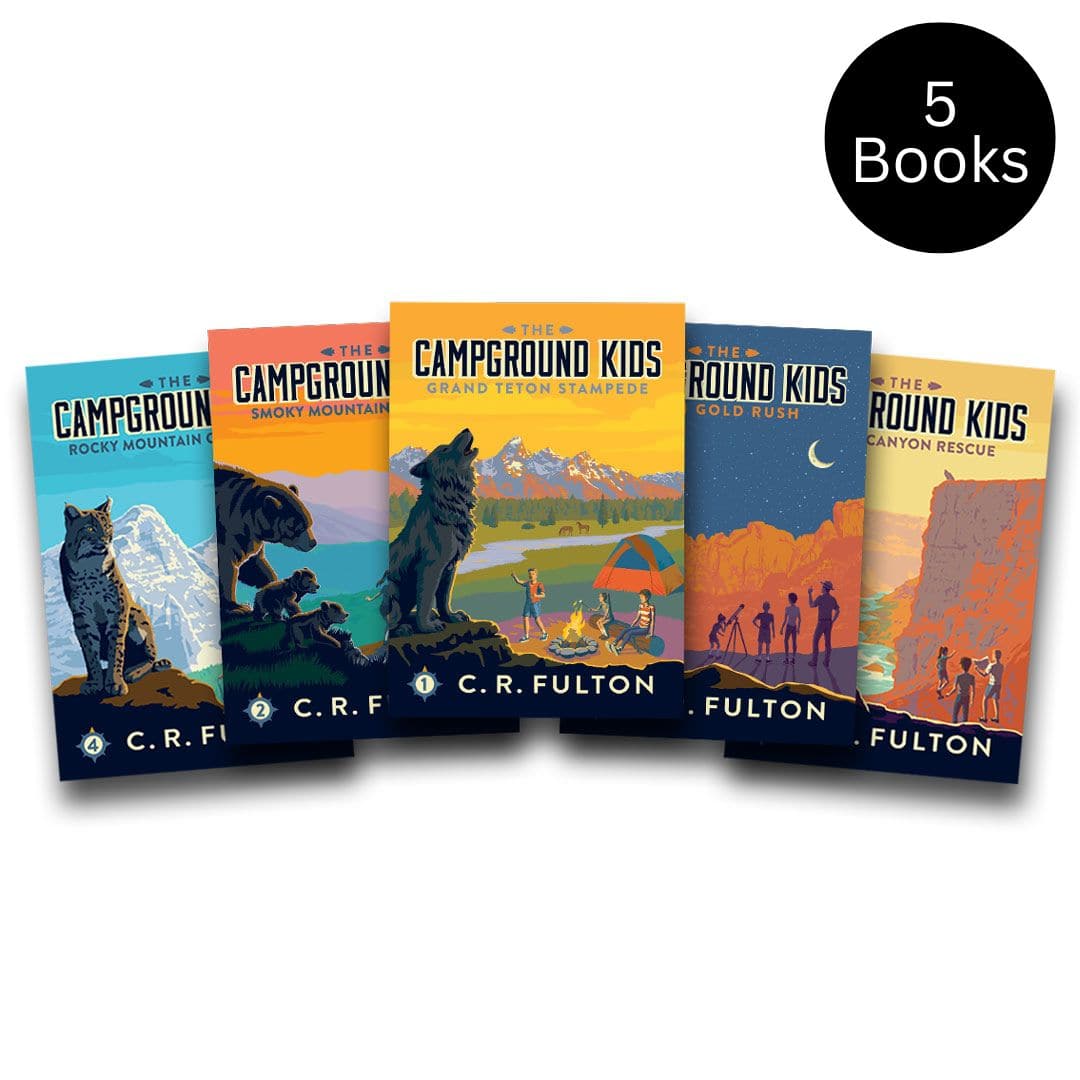
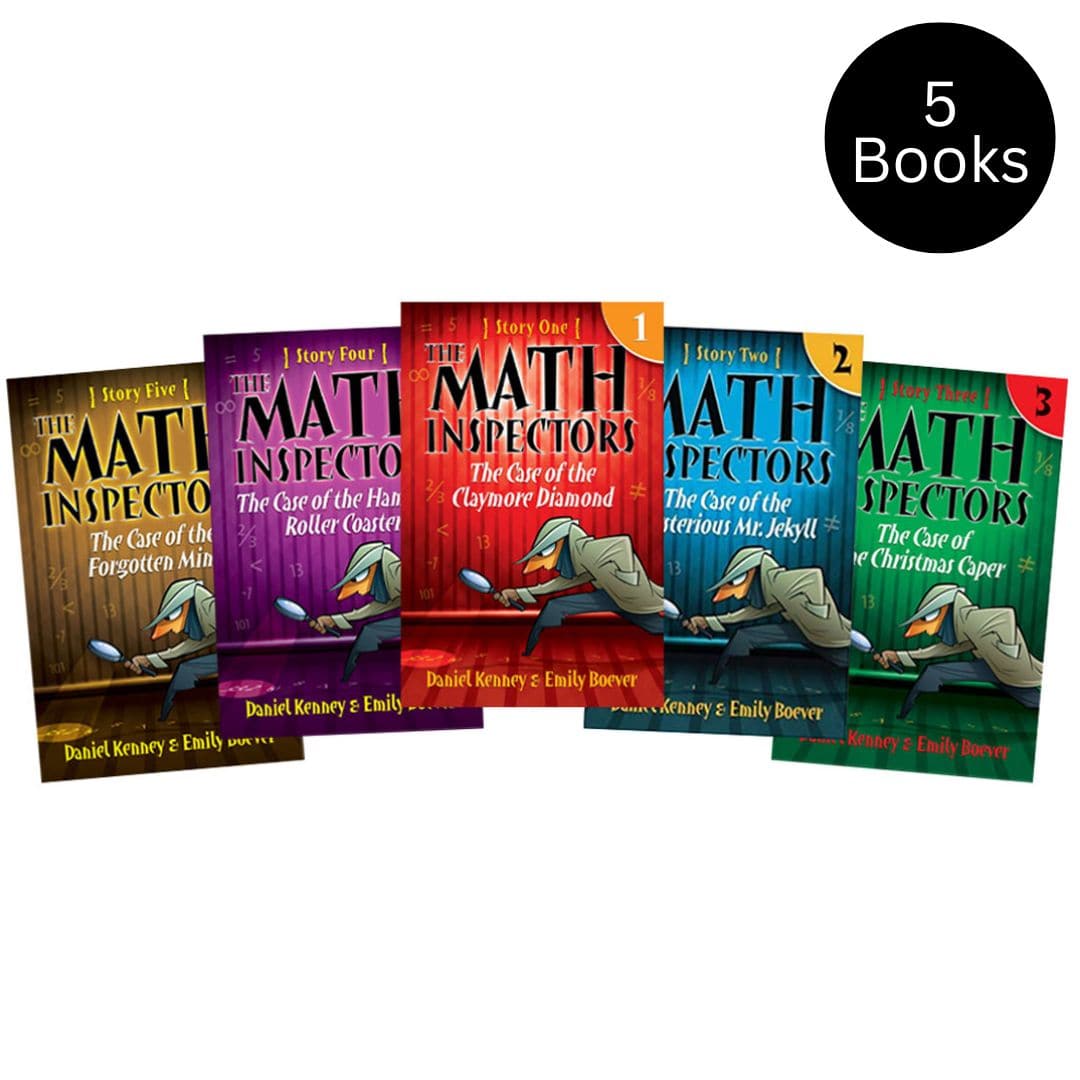
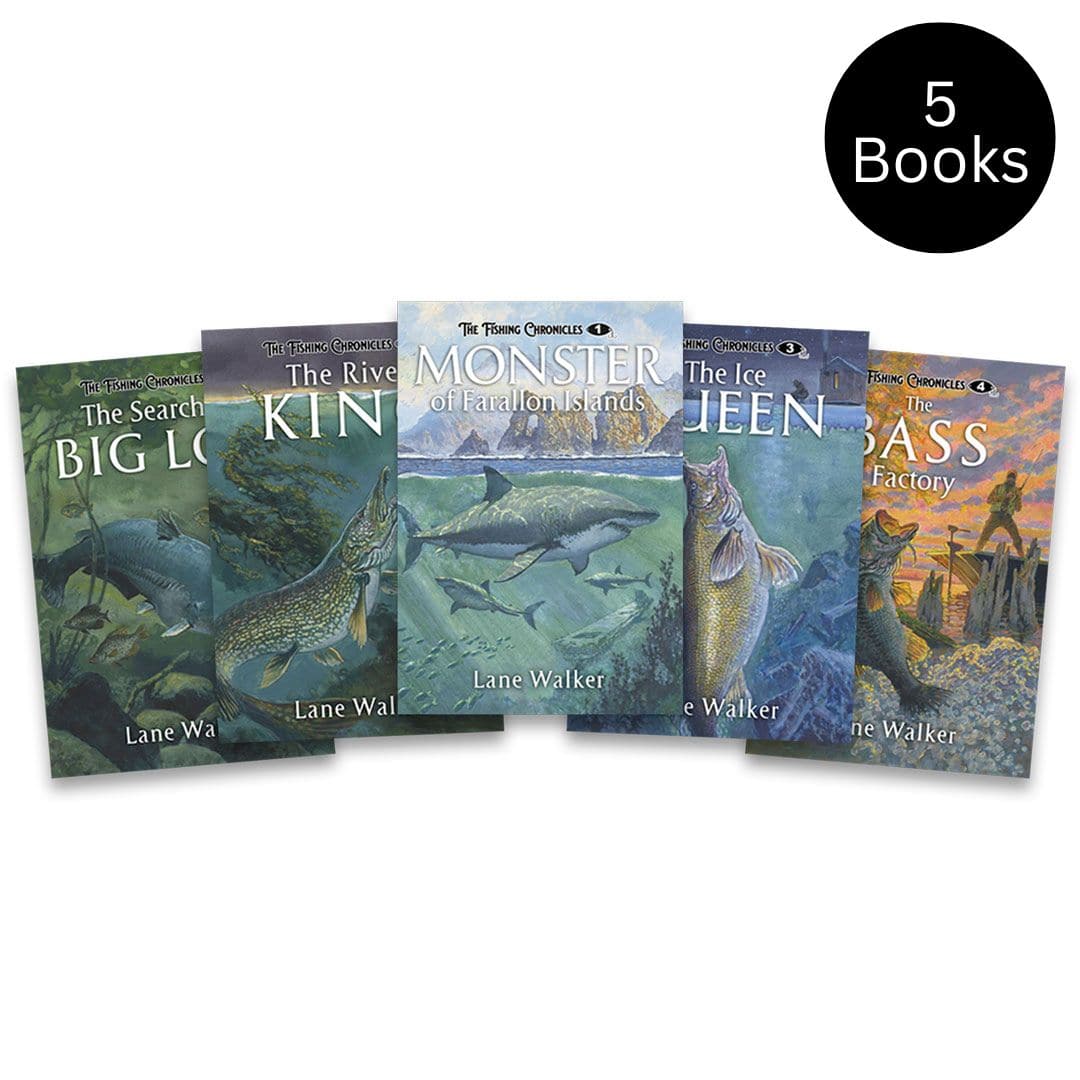
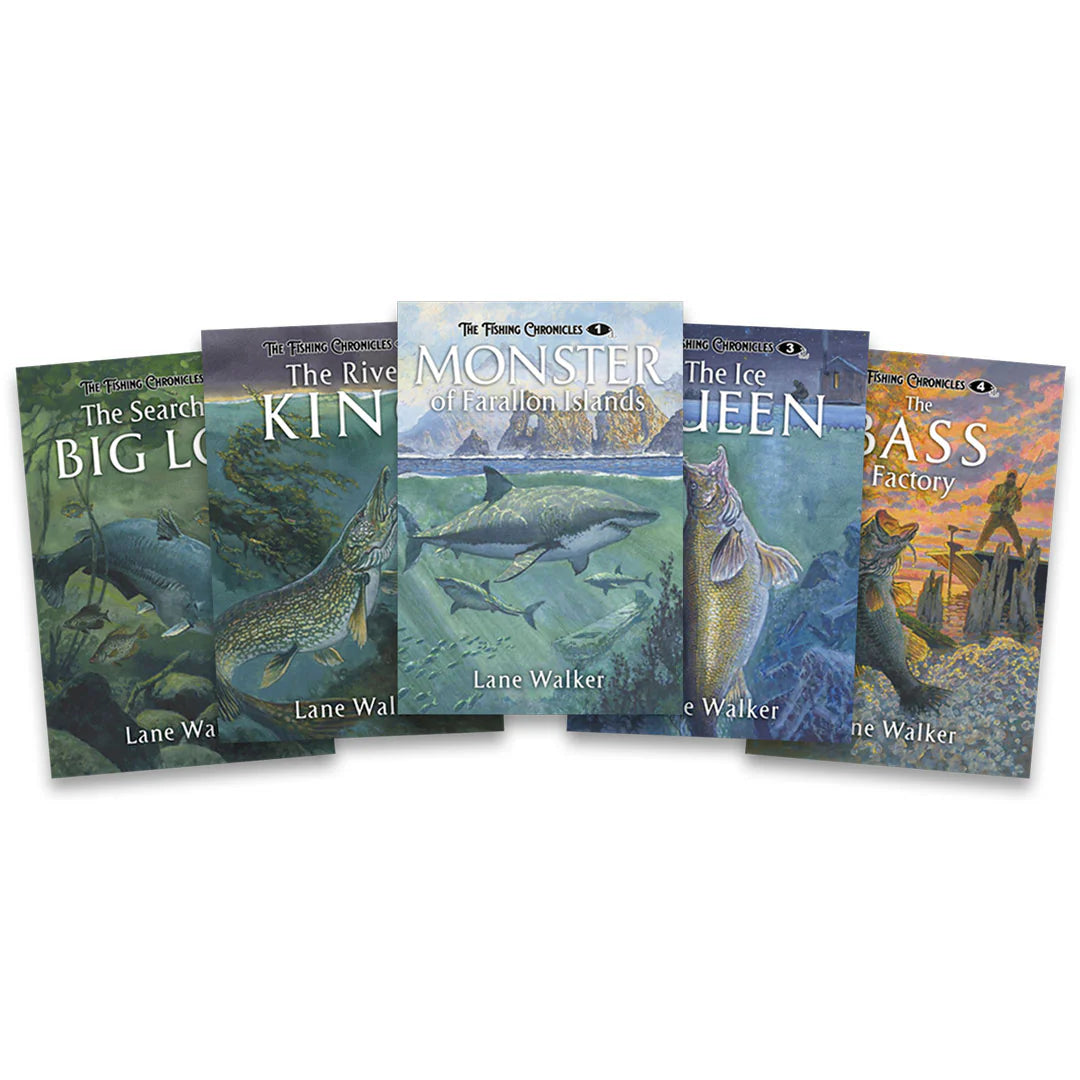
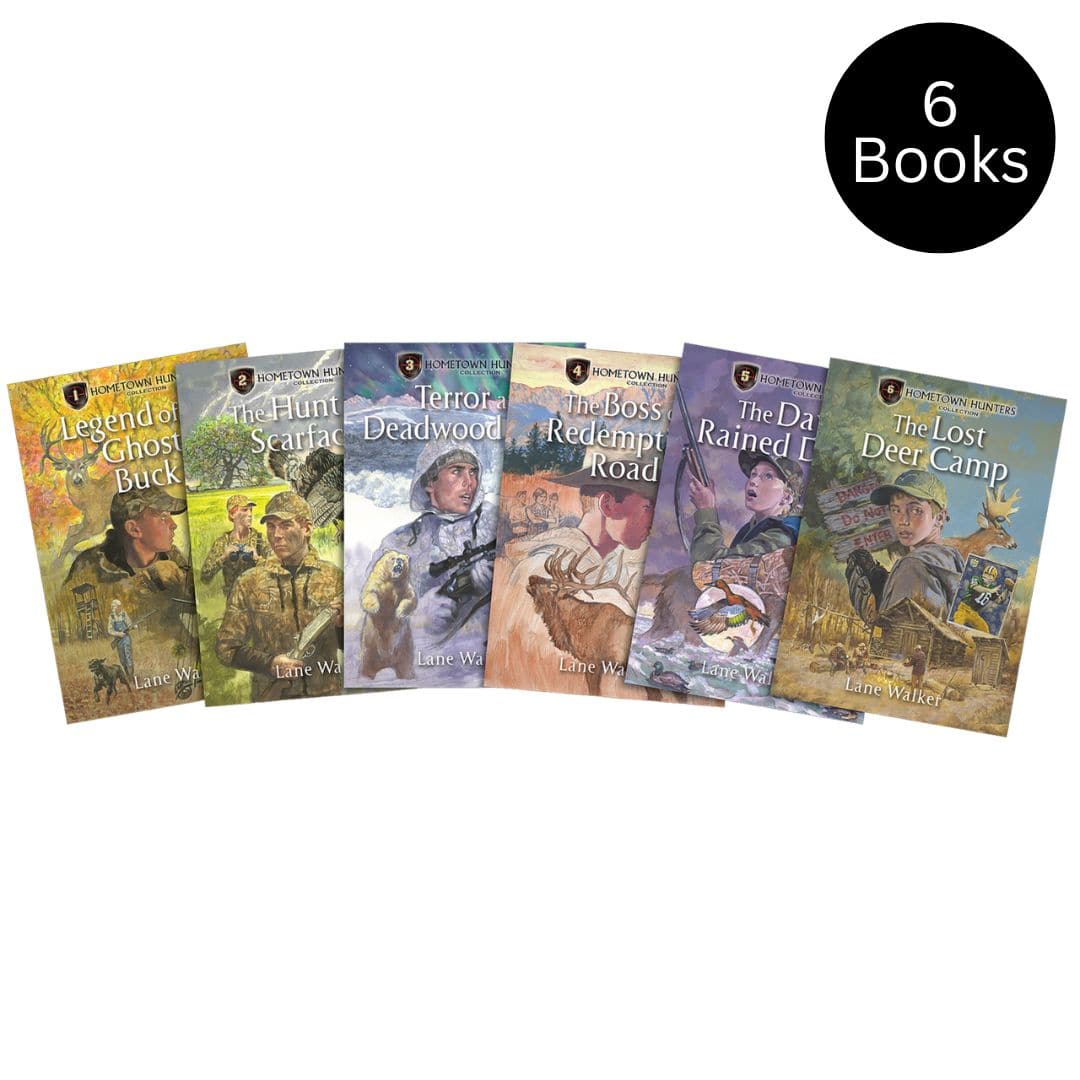
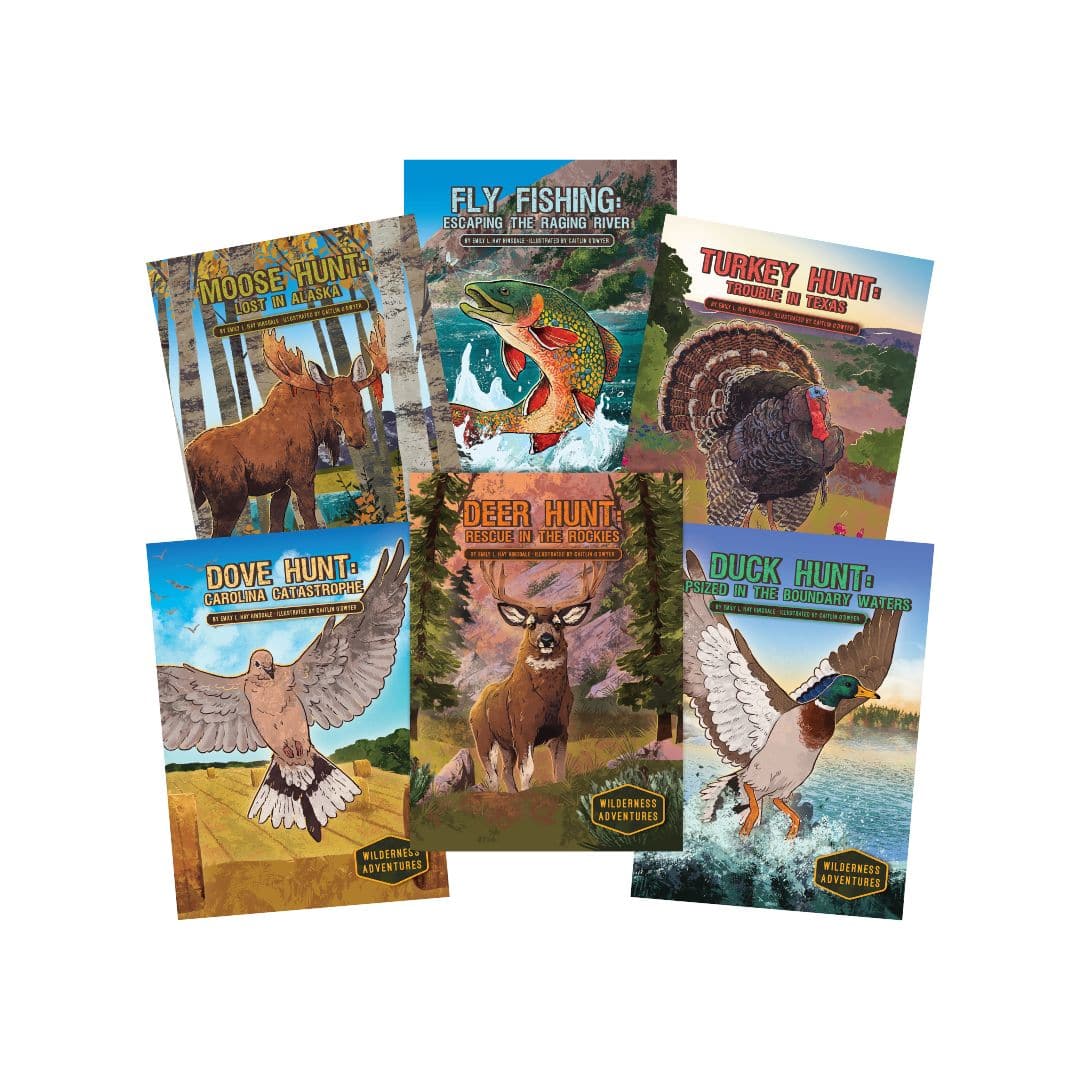
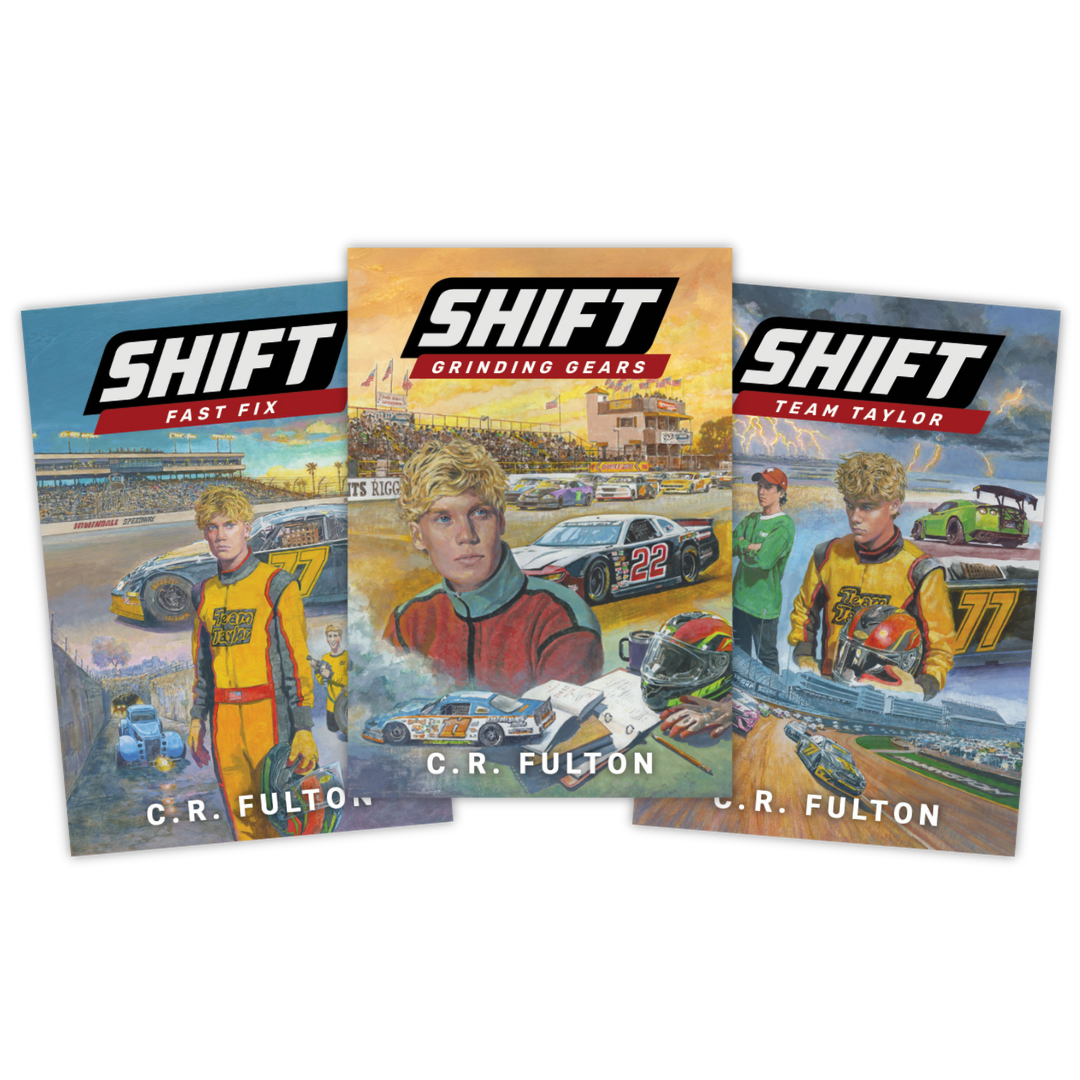
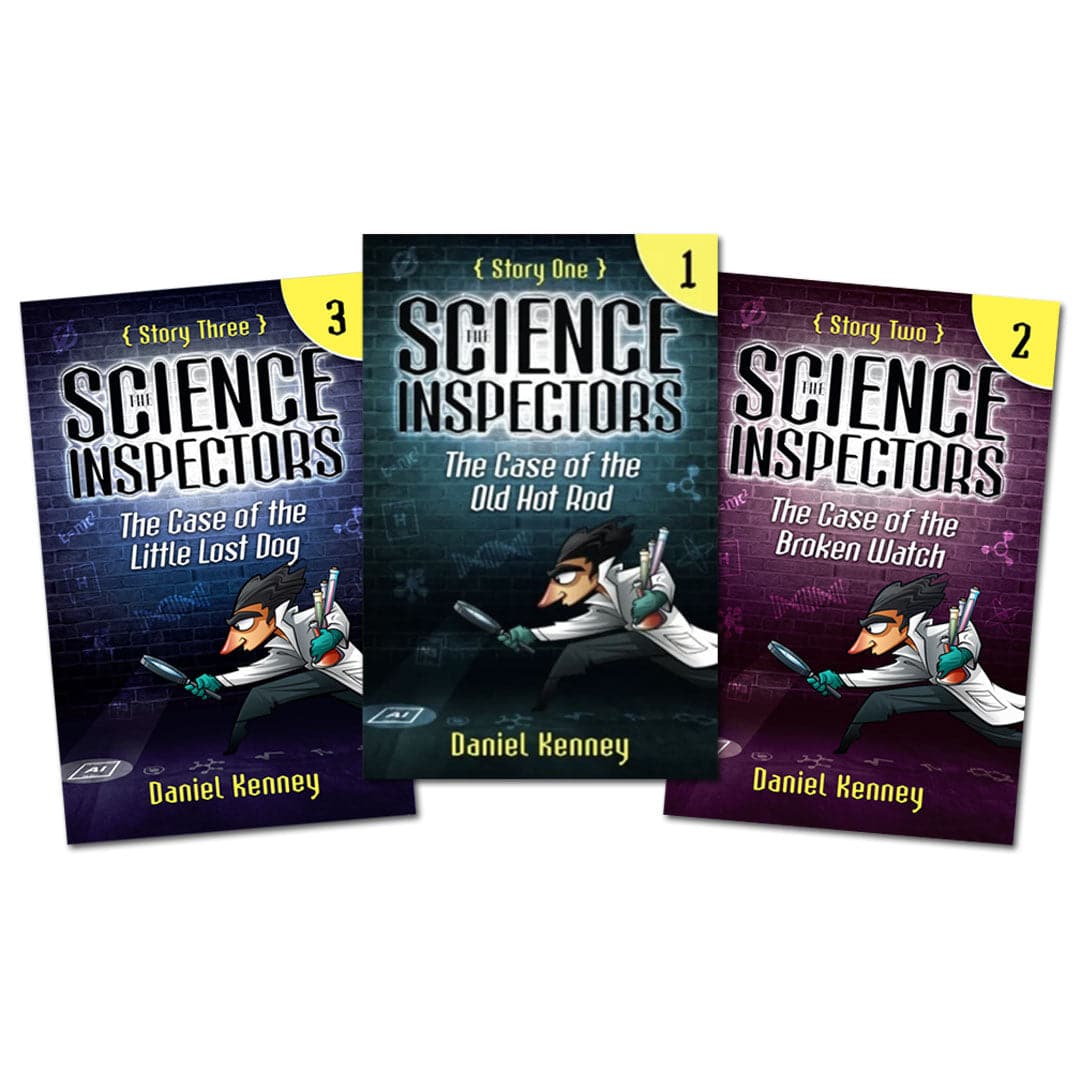
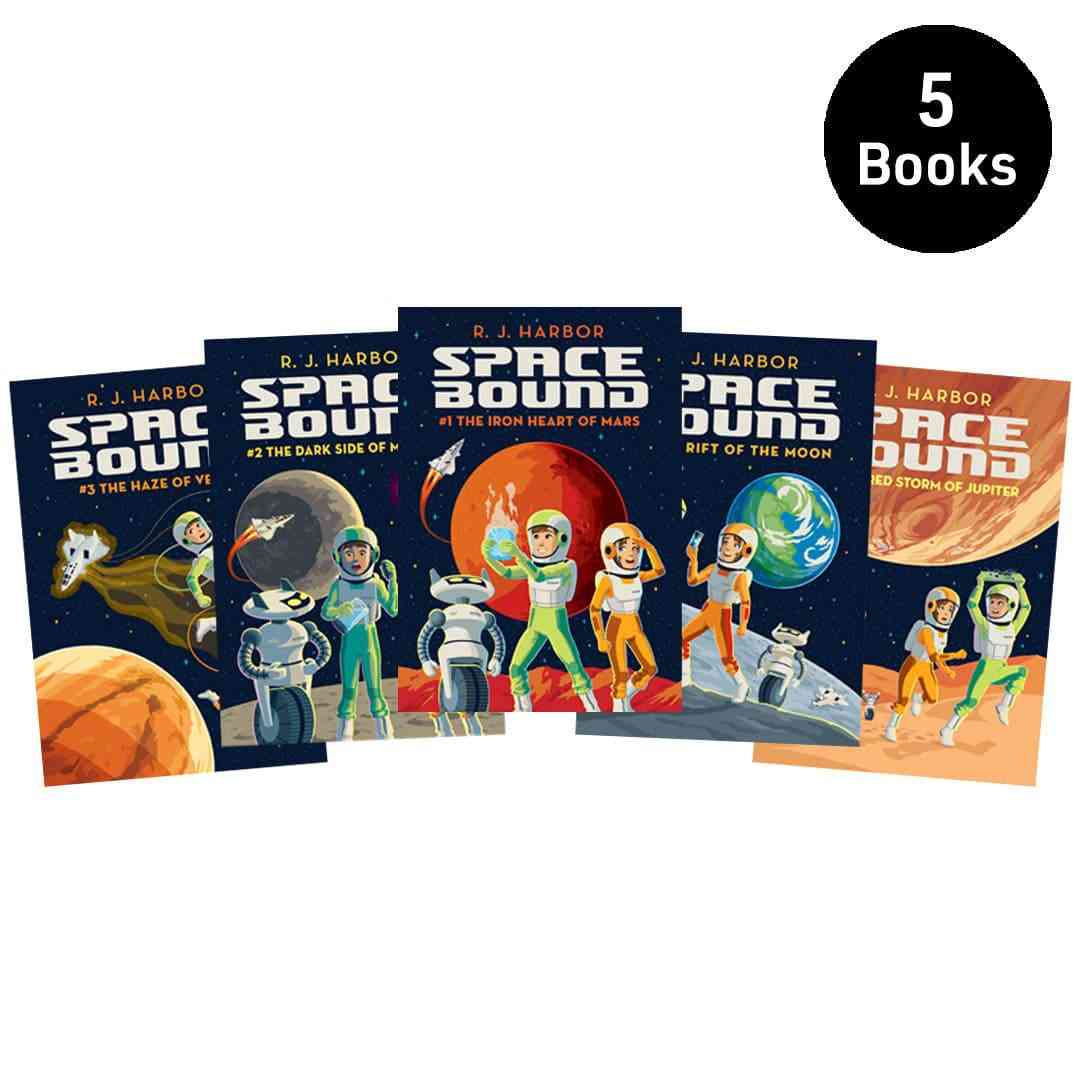
Finding the right books can also make a major difference in helping children build confidence and reach important reading milestones. Choosing engaging, age appropriate stories encourages stronger comprehension, vocabulary growth, and independent reading habits from an early age.

Parents looking for engaging recommendations can also explore these best kids books for ages 8–12 to support reading growth at every stage.
Reading Milestones by Age 7
Around age 7, many children are transitioning from beginner books to more complex stories. This is often when reading starts to feel more natural and enjoyable.
Common Reading Milestones at Age 7
☐ Read simple chapter books independently
☐ Recognize common sight words quickly
☐ Use context clues to figure out unfamiliar words
☐ Read aloud with improved fluency
☐ Retell the main events of a story
☐ Understand basic punctuation while reading
At this age, children still benefit greatly from reading aloud with parents. Shared reading helps strengthen comprehension and keeps reading fun.
Encourage your child to read books that match their interests. Whether they love adventure, animals, mysteries, or humor, enjoyable books help build reading stamina.
You can also ask simple comprehension questions like, “What was your favorite part?” or “What do you think will happen next?” These conversations help children think more deeply about stories in a natural and relaxed way.
Reading Milestones by Age 8
By age 8, many children become more confident and expressive readers. Their vocabulary expands rapidly, and they start understanding more complex story structures.
Common Reading Milestones at Age 8
☐ Read longer chapter books independently
☐ Improve reading speed and fluency
☐ Understand dialogue and character emotions
☐ Make predictions about stories
☐ Identify main ideas and supporting details
☐ Begin exploring different genres
Children at this age often enjoy series books because familiar characters help build confidence and excitement around reading.
Creating a consistent reading routine at home can make a big difference. Even 20 minutes of reading each day supports long term literacy growth.
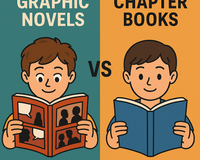
This is also a great age to introduce nonfiction books based on your child’s interests. Reading does not always have to mean novels. Science books, biographies, graphic novels, and magazines all help strengthen reading skills.
Reading Milestones by Age 9
Age 9 is often a major turning point in reading development. Children become better at understanding deeper themes and making connections between stories and real life.

Common Reading Milestones at Age 9
☐ Read more fluently with expression
☐ Understand plot, conflict, and resolution
☐ Compare characters and story elements
☐ Use reading to research topics independently
☐ Learn new vocabulary through context
☐ Discuss books with greater detail
At this stage, children often begin forming stronger personal reading preferences. Some may gravitate toward fantasy, while others prefer mysteries, adventure stories, or nonfiction topics.
Parents can help by encouraging conversations about books rather than turning reading into a quiz. Let your child share opinions, favorite characters, or surprising moments from the story.
This is also a great age to strengthen vocabulary naturally. For parents preparing children for upper elementary school, this helpful resource on 100 words kids should know before 6th grade can support vocabulary and reading comprehension development.
Reading Milestones by Age 10
By age 10, many children are reading more independently than ever before. They begin handling more advanced texts both academically and recreationally.
Common Reading Milestones at Age 10
☐ Read longer books with multiple chapters confidently
☐ Understand more complex vocabulary
☐ Identify themes and lessons in stories
☐ Summarize information accurately
☐ Recognize different points of view
☐ Read for longer periods independently
Children at this age often become more selective readers. They may discover favorite genres or authors and become more invested in independent reading.
Allowing children to choose their own books can significantly increase motivation and engagement. When reading feels connected to personal interests, children are more likely to continue reading consistently.
It is also important for parents to continue modeling reading at home. Children who regularly see adults reading are more likely to value books themselves.
Reading Milestones by Age 11
Around age 11, reading becomes increasingly connected to critical thinking. Children begin analyzing stories more deeply and understanding complex emotions and motivations.
Common Reading Milestones at Age 11
☐ Analyze characters and relationships
☐ Understand figurative language
☐ Compare themes across books
☐ Read more advanced nonfiction texts
☐ Interpret symbolism and deeper meaning
☐ Use evidence from a text to support ideas
At this age, many children are academically capable readers, but maintaining enjoyment is still important. School reading assignments can become more demanding, so recreational reading should continue feeling fun and low pressure.
Parents can encourage thoughtful discussions by asking open ended questions such as, “Why do you think the character made that choice?” or “Did this story remind you of anything in real life?” These conversations help children connect emotionally and intellectually with what they read.
Reading Milestones by Age 12
By age 12, many children are preparing for middle school reading expectations. They are expected to manage more complex material independently while also developing stronger analytical skills.

Common Reading Milestones at Age 12
☐ Read a wide range of genres confidently
☐ Understand abstract themes and ideas
☐ Evaluate arguments and opinions in nonfiction
☐ Make inferences from text evidence
☐ Interpret character growth and motivation
☐ Read independently for school and enjoyment
Some children become passionate readers at this age, while others may lose interest due to increased academic demands or digital distractions. The key is continuing to support reading in ways that feel enjoyable and accessible.
Audiobooks, graphic novels, and high interest book series all count as meaningful reading experiences. The format matters less than helping children stay engaged with stories and information.
Parents can also help children see how reading connects to real life. Strong reading skills support communication, creativity, empathy, and lifelong learning far beyond the classroom.
Signs Your Child May Need Extra Reading Support
While every child develops differently, some signs may indicate your child could benefit from additional support.
A child who frequently avoids reading, becomes frustrated during reading activities, struggles to understand what they read, or lacks confidence with books may need extra encouragement or academic support.
If concerns continue over time, speaking with your child’s teacher or a reading specialist can help identify strategies that fit your child’s needs.
Supporting Reading Development at Home
Parents do not need to be reading experts to support literacy growth. Small daily habits can make a lasting impact. Creating a cozy reading space, visiting the library regularly, reading together, and allowing children to choose books that interest them can all encourage stronger reading habits.
Most importantly, keep reading enjoyable. Children who associate books with comfort, curiosity, and connection are more likely to become lifelong readers.
Final Thoughts on Reading Milestones by Age
Understanding reading milestones by age can help parents feel more confident as they support their child’s literacy journey. From ages 7 to 12, children experience enormous growth in fluency, comprehension, vocabulary, and critical thinking.
Remember that reading development milestones are guides, not deadlines. Every child grows differently, and progress is rarely perfectly linear.
The most important thing parents can do is create positive reading experiences. Whether that means reading together before bed, visiting the library, listening to audiobooks in the car, or simply talking about stories during dinner, small moments can have a lasting impact.
With encouragement, patience, and access to engaging books, children can build the confidence and skills they need to become strong, capable readers for years to come.
Reading Milestones by Age FAQ
1. What are normal reading milestones by age for children ages 7 to 12?
Reading milestones by age can vary from child to child, but most children between ages 7 and 12 gradually improve in fluency, comprehension, vocabulary, and critical thinking. Younger readers often focus on sounding out words and building confidence, while older children begin analyzing themes, understanding symbolism, and reading independently for learning and enjoyment.
2. What books help children reach reading milestones by age?
Choosing age appropriate books can help children strengthen fluency, comprehension, vocabulary, and confidence as they grow. Books that match a child’s reading ability and interests are more likely to keep them engaged and motivated to read consistently. Parents looking for recommendations can explore these best kids books for ages 8–12 to help support reading development milestones and encourage a lifelong love of reading.
3. What are the most important reading development milestones for elementary students?
Some of the most important reading development milestones include reading fluently, understanding story structure, building vocabulary, identifying themes, and improving comprehension skills. As children grow, they also learn to make predictions, compare ideas, and think critically about what they read.
4. When should parents be concerned about reading milestones?
Parents may want to seek additional support if a child consistently struggles with fluency, avoids reading, becomes frustrated during reading activities, or has difficulty understanding age appropriate books. Since every child develops differently, occasional challenges are normal, but ongoing difficulties may benefit from guidance from a teacher or reading specialist.
5. How can parents support reading milestones at home?
Parents can support reading milestones by creating consistent reading routines, allowing children to choose books they enjoy, reading together regularly, and having conversations about stories. Visiting the library, limiting pressure, and making reading feel enjoyable can also help children become more confident readers.