If you are a parent or teacher of a child between the ages of 7 and 12, there’s a good chance you’ve seen this happen before:
A child reads the word correctly one day… and then completely forgets it the next.
They slowly sound out the same word over and over again. Reading feels exhausting instead of natural. They lose their place constantly, guess at unfamiliar words, or avoid reading altogether because it feels frustrating.
Meanwhile, other kids seem to read effortlessly.
To adults, it can feel confusing. You practice with them. You help them sound words out. But somehow, the progress feels inconsistent.
That’s where orthographic mapping swoops in.
While the phrase sounds technical, the idea behind it is incredibly important for both teachers and parents to understand because it explains one of the biggest mysteries in reading development…
How do words become automatic in a child’s brain?
Orthographic mapping is the process that allows children to permanently store words in memory so they can recognize them instantly while reading. It’s one of the key building blocks behind reading fluency, comprehension, spelling, and long-term reading confidence.
And for struggling readers, weak orthographic mapping is often the missing piece.
The good news is this process is not reserved for “naturally smart readers.” It can absolutely be strengthened with the right support, repetition, and reading experiences.
What Is Orthographic Mapping?
Let’s start with a simple orthographic mapping definition:
Orthographic mapping is the brain process that connects spoken sounds to written letters and spelling patterns so words become stored in long-term memory.
In simpler terms, orthographic mapping is how a child stops needing to sound out every single word.
When a child first learns to read, the brain has to work hard to decode words letter-by-letter. Reading feels slow because the child is actively figuring words out in real time.
But eventually, certain words become automatic.
Instead of stopping to decode the word “because,” the child instantly recognizes it. The brain has successfully mapped the sounds, spelling, pronunciation, and meaning together into permanent memory.
That’s orthographic mapping.
And it’s happening constantly as strong readers develop.
Why Orthographic Mapping Matters So Much Between Ages 7-12
Orthographic mapping becomes especially important during the elementary years because this is when children transition from “learning to read” into “reading to learn.”
Around ages 7-12, school expectations change dramatically.
Students are suddenly expected to:
-
Read longer chapter books
-
Understand more complex vocabulary
-
Read independently for school assignments
-
Learn information through reading instead of direct instruction
At this time, struggling readers often begin falling behind more noticeably.
If a reader is still using most of their mental energy decoding individual words, they have very little attention left for comprehension, critical thinking, or enjoying the story itself.
That’s why some students can technically “read” the words on the page but still struggle to explain what they just read.
Their brain is working so hard to identify words that comprehension suffers.
Strong orthographic mapping changes this.
When words become automatic, reading becomes smoother and less mentally draining. The brain can finally focus on understanding ideas, following plotlines, and making connections inside the text.
Orthographic Mapping Is Not Just Memorization
This is one of the most misunderstood parts of reading instruction.
Orthographic mapping is not simply visual memorization. Children are not memorizing words as pictures.
Instead, the brain is building multiple connections simultaneously:
-
The letters in the word
-
The sounds attached to those letters
-
The pronunciation of the word
-
The meaning of the word itself
For example, when a child learns the word “bright,” their brain is connecting:
-
The spelling pattern
-
The sounds /b/ /r/ /i/ /t/
-
The spoken word “bright”
-
The actual meaning of brightness or light
Once those pathways become strong enough, the word becomes automatic.
This is why fluent readers can instantly recognize thousands of words without consciously decoding them every single time.
What Happens When Orthographic Mapping Is Weak
For children who struggle with orthographic mapping, reading often stays difficult much longer than expected.
These students may:
-
Read slowly even in upper elementary grades
-
Forget familiar words repeatedly
-
Struggle with spelling
-
Guess at words instead of decoding them
-
Avoid reading independently
-
Become frustrated during reading assignments
-
Lose confidence quickly in classroom settings
Over time, reading can start feeling embarrassing or exhausting. And unfortunately, when children avoid reading because it feels difficult, they lose the very practice their brain needs to strengthen these pathways.
How Orthographic Mapping Happens in the Brain
Orthographic mapping depends heavily on phonemic awareness.
Phonemic awareness is the ability to hear and manipulate individual sounds inside spoken words.
Before children can permanently store written words, they first need to understand that words are made up of smaller sound units.
For example:
-
Cat = /c/ /a/ /t/
-
Fish = /f/ /i/ /sh/
-
Train = /t/ /r/ /ai/ /n/
Once children can hear these sound structures, the brain begins connecting them to letter patterns.
Every successful reading experience strengthens those pathways.
Think of it like creating trails through the woods. The first few times the trail is rough and slow. But every time it’s used again, it becomes easier to travel.
The brain works similarly. Repeated exposure helps words become faster and more automatic over time.
How Teachers and Parents Can Strengthen Orthographic Mapping Together
Orthographic mapping does not just develop during reading lessons at school. It strengthens through repeated, meaningful reading experiences across a child’s entire day which is why both teachers and parents play such an important role.
In the classroom, teachers often support orthographic mapping through phonics instruction, guided oral reading, spelling patterns, vocabulary work, and repeated exposure to words in context. But one of the most overlooked parts of reading growth is engagement.
Kids make stronger reading progress when they actually want to keep reading.
A child who is invested in a story naturally spends more time with words. They reread favorite sections. They encounter spelling patterns repeatedly. They strengthen sound-letter connections without even realizing it because they are emotionally connected to the experience.
The same thing applies at home.
Parents do not need formal reading training to make a meaningful impact on orthographic mapping. Some of the most effective support happens during simple everyday moments like reading together before bed, listening to a child read aloud after school, or helping them work through an unfamiliar word instead of immediately supplying the answer.
These moments matter because they give the brain another opportunity to connect sounds, spelling patterns, and meaning together.
And reading at home should not always feel corrective.
If every reading session becomes about fixing mistakes, many kids begin associating books with pressure instead of enjoyment. For struggling readers especially, confidence is a huge part of reading development. Children are far more likely to improve when they feel successful, relaxed, and interested in the story they are reading.
The goal is not perfection every time a child reads.
The goal is repeated, successful interaction with words.
When teachers and parents work together to create those experiences both through instruction and through enjoyable reading opportunities, orthographic mapping strengthens naturally over time.

Where Bakken Books Fits Into Reading Development
Children cannot strengthen reading pathways if they avoid reading altogether.
At Bakken Books, we know that many kids between 7–12 stop reading consistently because books begin feeling too slow, too difficult, or disconnected from their interests.
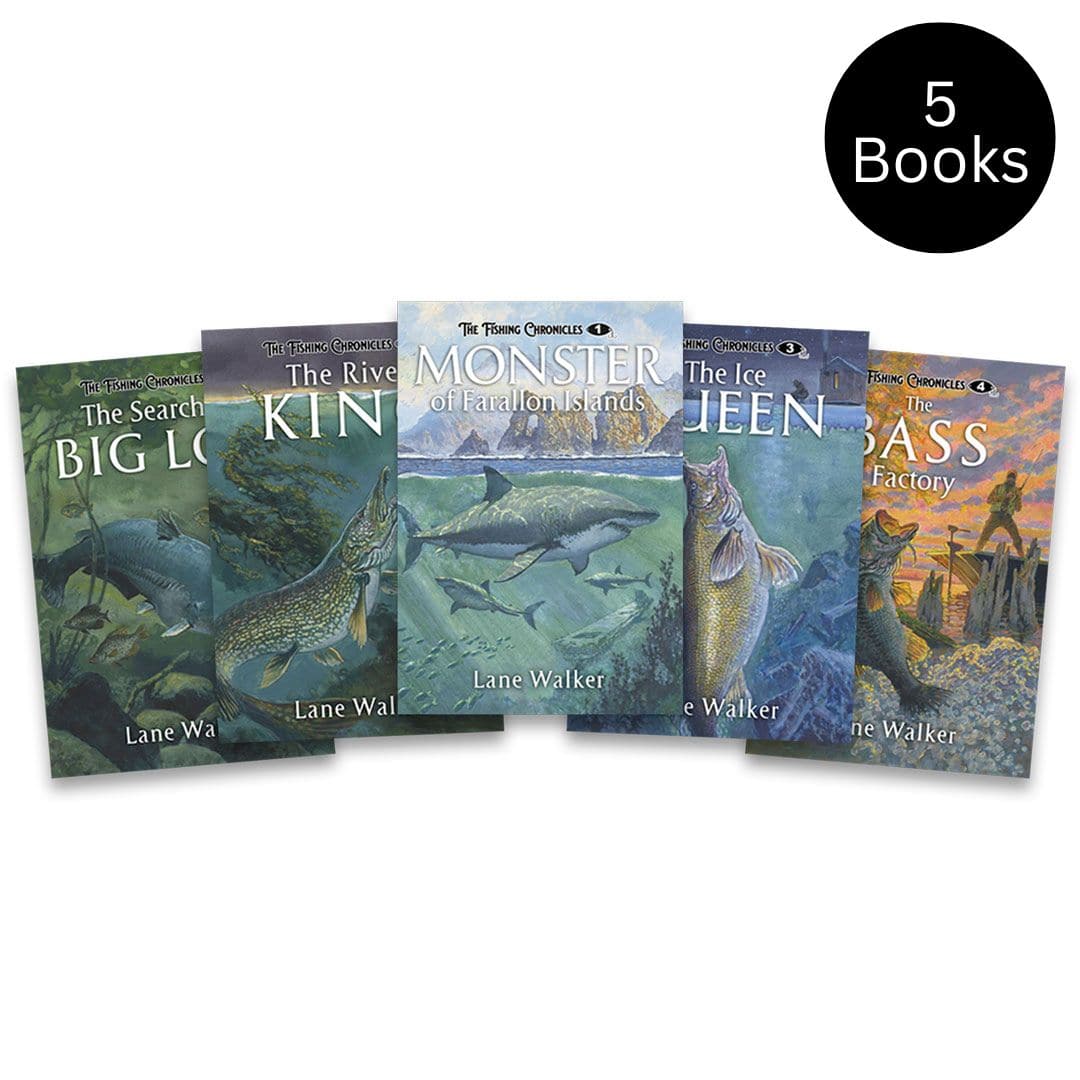
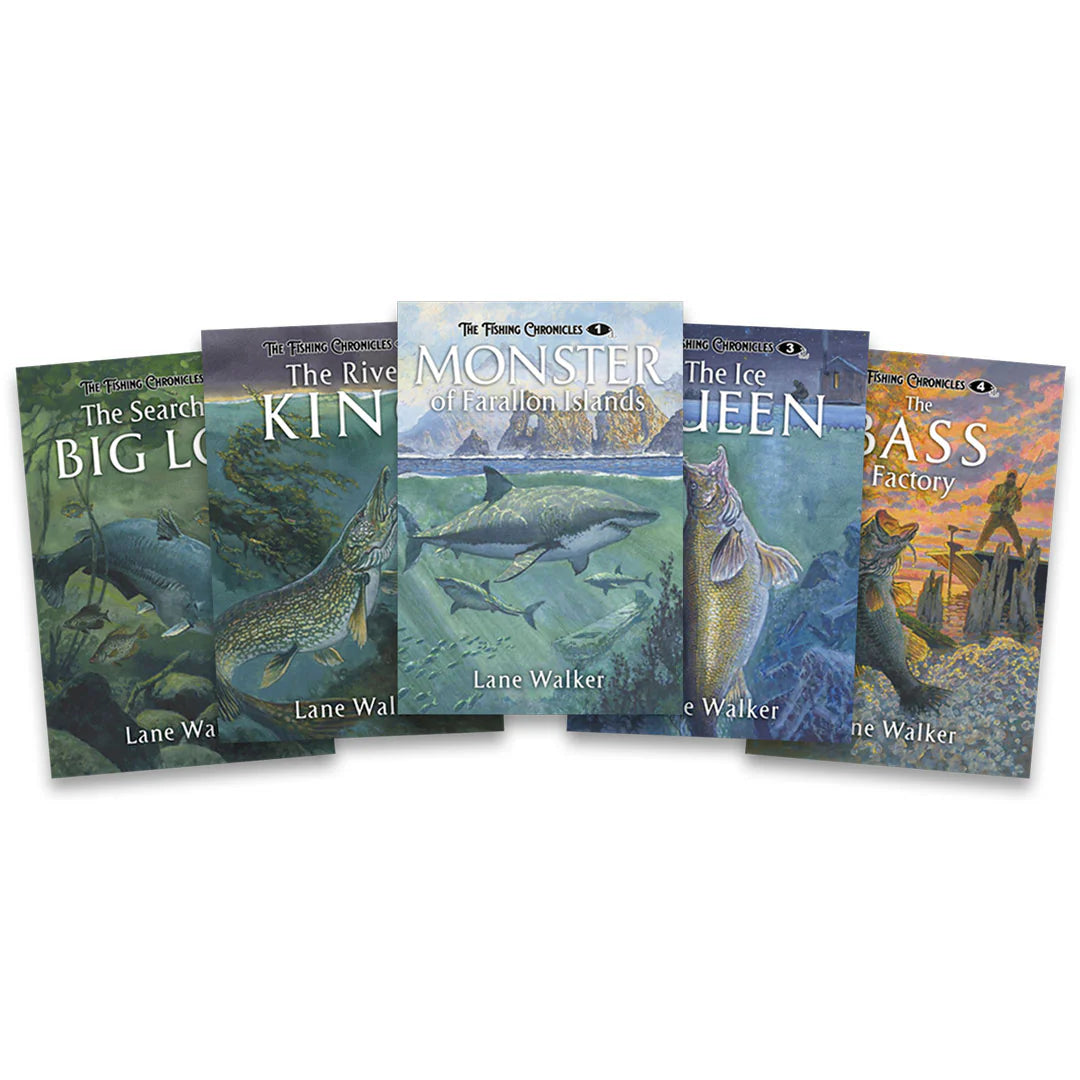
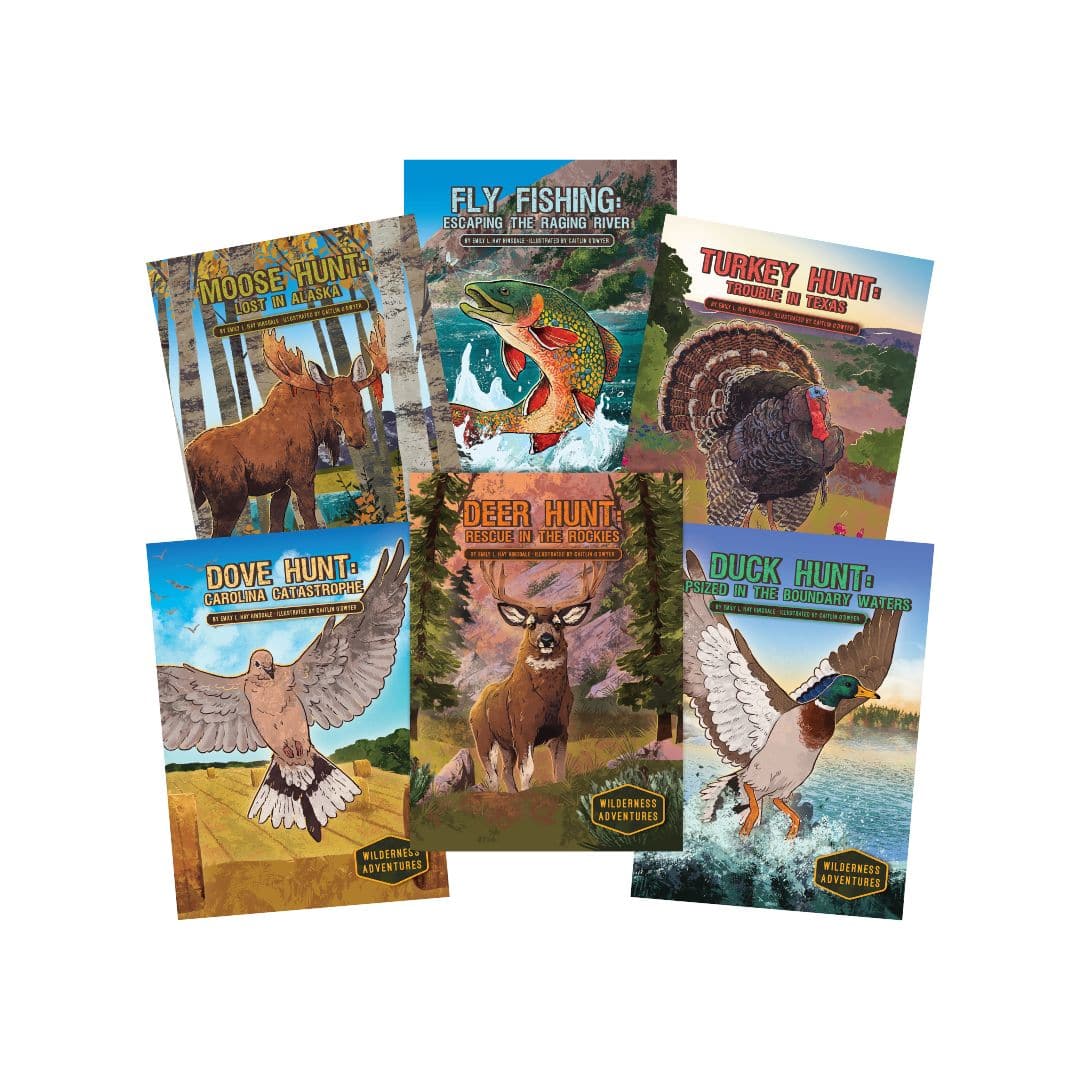
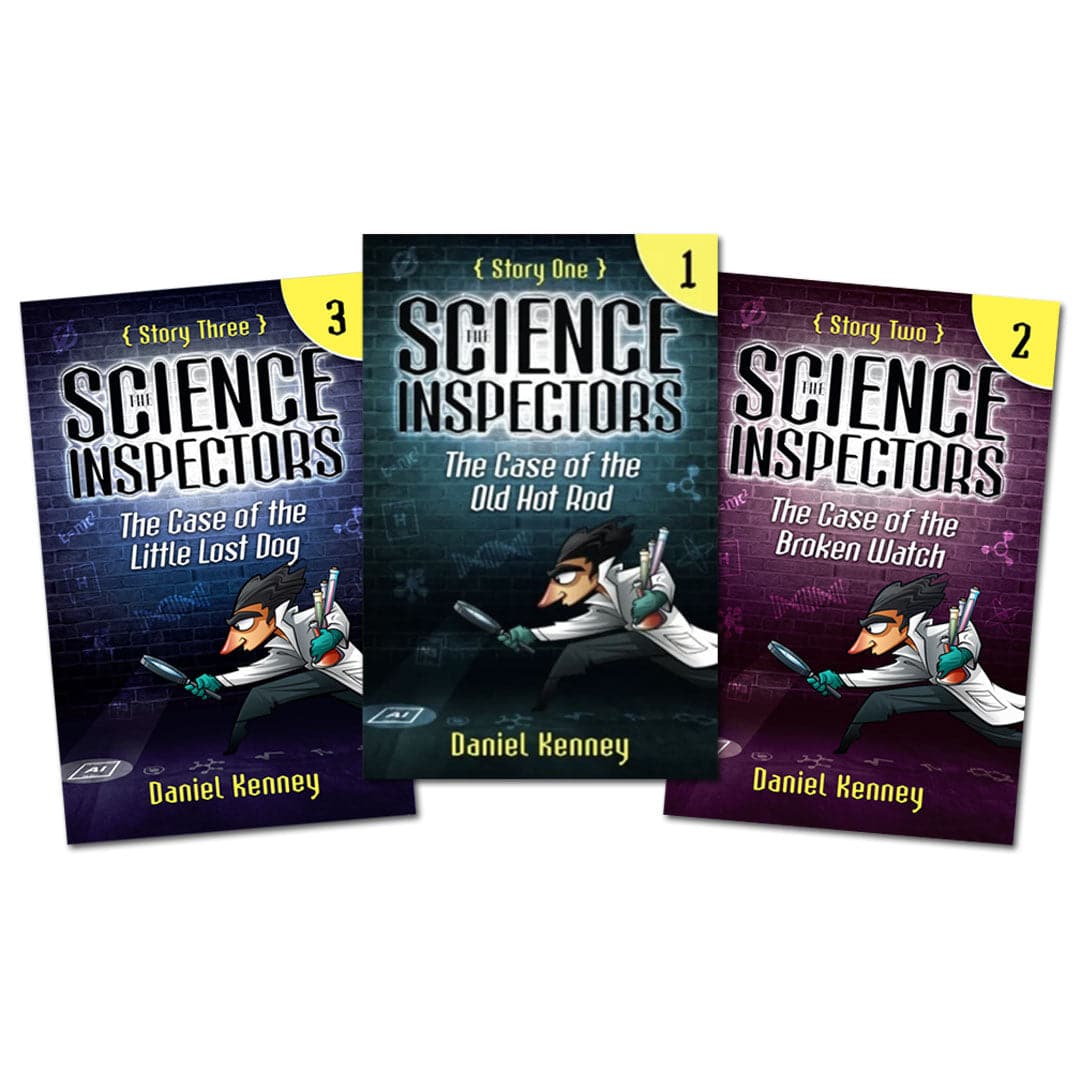
That’s why Bakken Books creates fast-paced, engaging chapter books designed to hold attention and keep kids emotionally invested from the very first page.
With 10+ interest-based book collections, your reader won’t want to put our stories down.
And when kids find a book they love and want to continue reading, something important happens…
-
They encounter more words
-
They reread more naturally
-
They build stronger fluency
-
They strengthen orthographic mapping through repetition
And most importantly, they begin seeing themselves as capable readers.
For struggling readers especially, confidence changes everything.
Sometimes the right story is what finally gets a child practicing enough for reading to start clicking.
Why Orthographic Mapping Is Key for Long-Term Reading Success
Orthographic mapping is one of the invisible processes behind nearly every fluent reader.
It’s what allows children to stop laboring over individual words and start experiencing reading as smooth, automatic, and enjoyable.
Without strong orthographic mapping, reading often remains tiring and frustrating.
With it, children gain:
-
Faster word recognition
-
Better comprehension
-
Improved spelling
-
Increased reading stamina
-
Greater confidence in school
-
+ More!
And for learning kids, these skills become even more important every year as reading demands continue growing across every subject.
Reading development is not always linear.
But every page a kid reads helps strengthen the pathways their brain needs for fluency.
And sometimes, helping them find one book they genuinely love is the moment everything begins to change.
Common Questions About Orthographic Mapping
What is orthographic mapping in simple terms?
Orthographic mapping is the brain process that helps children store words into long-term memory so they can recognize them automatically while reading.
Why is orthographic mapping important?
Orthographic mapping helps children become fluent readers. When words become automatic, kids can focus more on understanding the story instead of struggling to decode every word.
What age is orthographic mapping most important?
Orthographic mapping begins developing during early reading instruction, but it becomes especially important between ages 7–12 when children shift from learning to read toward reading to learn.
Is orthographic mapping the same as memorizing sight words?
No. Orthographic mapping is not visual memorization alone. It involves connecting sounds, letters, spelling patterns, pronunciation, and meaning together in the brain.
Why do some kids struggle with orthographic mapping?
Children may struggle if they have weak phonemic awareness, limited decoding practice, reading frustration, or inconsistent exposure to reading. These pathways often strengthen with targeted support and practice.