Table of Contents
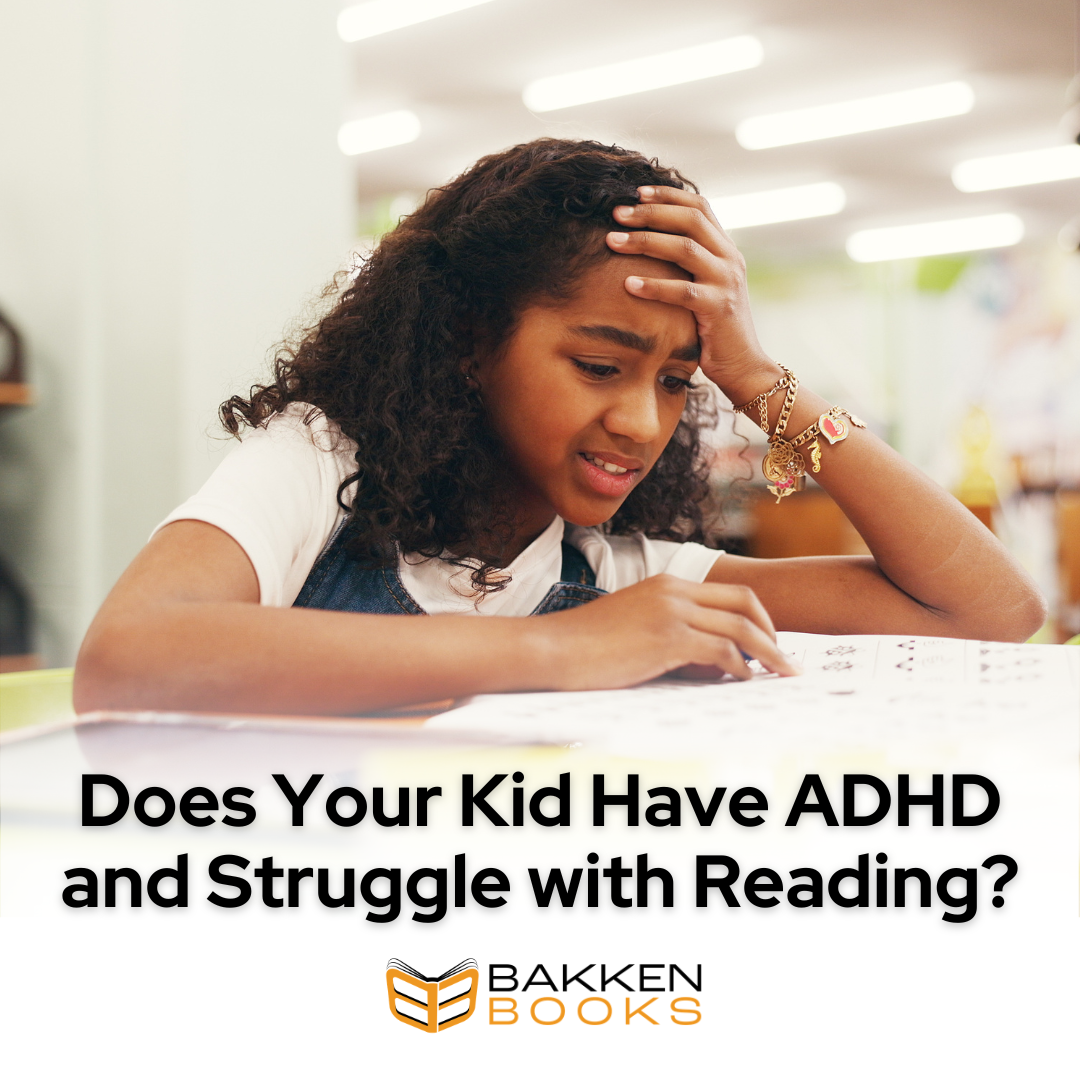
Now, imagine this. You tell your child it’s time for reading. They groan, they look up at the ceiling, they fidget in their chair, and they somehow read the same sentence four times without getting one word. Sound familiar?
If your child has ADHD, reading difficulties are not a sign of their intelligence; they are a neurological reality. That brain that makes it hard to sit still and pay attention also makes it hard to follow lines of text, stay interested in a story, and retain what they just read. The good news is? Some strategies do work, and they don’t require you to have your child sit at a desk for an hour hoping something sticks.
Why Reading Is So Hard for Kids with ADHD
ADHD impairs the brain's executive functions, the systems that control focus, working memory, impulse control, and self-regulation. All these things have to work together, simultaneously, to read.
Reading is one of the most common academic difficulties for children with ADHD, according to the Children and Adults with Attention-Deficit/Hyperactivity Disorder organization (CHADD). Studies show that as many as 45 percent of children with ADHD also have a reading-related learning disability, such as dyslexia; still, even those without a co-occurring condition often struggle because reading requires sustained attention in a way that is not natural for the ADHD brain.
Here’s what’s going on psychologically:
- Attention drift: The brain goes off on a tangent mid-sentence, and suddenly they are thinking about soccer practice instead of the story.
- Working memory gaps: They've forgotten what the beginning said by the time they get to the end of a paragraph.
- Impulsivity: They go too fast on words, skip lines, or guess at words instead of sounding them out.
- Low motivation: The ADHD brain has difficulty producing the dopamine needed to maintain focus on a task that isn’t immediately interesting.
To help your child find a path through it, the first step is to understand why reading is harder for them.
How to Tell If ADHD Is Affecting Your Child's Reading
Not all reading struggles are caused by ADHD, but there are some specific patterns to look for. Is ADHD the reason your child has trouble reading? Here are some signs:
They can read the words but can’t explain what happened
This is one of the strongest indicators. Your child reads a full page aloud, flawlessly, with accurate pronunciation, good fluency, and then looks at you blankly when you ask what it was about. That’s functional memory in action. Their brain was too busy decoding the words to have room to process the meaning.
They’re always losing their place
Attention drift is likely the cause if your child is constantly skipping lines, re-reading sentences, or losing their place on the page. The eyes need the brain's guidance to track smoothly across a line of text, and an ADHD brain is often elsewhere.
Reading Takes Exponentially Longer Than It Should
A 10-minute chapter takes 45. This is not idleness. It is the cumulative effect of losing focus, re-reading, daydreaming, and re-engaging, over and over again.
They Don’t Read If They Can Help It
It’s natural to want to avoid something that appears impossibly difficult and unrewarding. If your child will do anything, including chores, to get out of reading time, that’s a signal worth noting.
Reading Emotional Meltdowns
If you sit down to read and start crying, or get frustrated, or angry, or just shut down entirely, it could be that reading isn't just disliked; it's overwhelming.
Their Reading Performance Is Unpredictable
One day they seem to read well. The next day the same level of text is still a struggle. This inconsistency is typical of ADHD; it is not a behavior problem; it is a brain regulation problem.
If you notice a few of these patterns, it’s time to have a conversation with your child’s teacher, pediatrician, or a reading specialist. Early intervention is really important.
The Timer Trick: Turn Reading from a Chore into a Challenge
Consider how you might use timers with chores to help kids with ADHD. "Tidy up your room for 10 minutes." "Unload the dishwasher before the alarm sounds”. Timers work with chores because they make a dreaded, open-ended task feel finite and manageable. The brain can take almost anything if it knows there is an end in sight.
So why don't we use this same strategy with reading?
For kids with ADHD who view reading as a chore (and many of them do), a timer can be transformative.
How to Try It
Tell your little one, "All you have to do is read until the timer goes off," and set a timer for just ten or twenty minutes. "Then you're finished."
That's all. There is no obligation to complete the chapter. There is no comprehension test. Just ten minutes of reading.
The secret is that most children will continue reading even after the timer goes off.
The brain relaxes when reading has an escape valve built in. The fear fades. Additionally, the timer becomes an afterthought once a child is genuinely immersed in the narrative, interested in the characters, and curious about what will happen next.
On the days that the timer goes off, do they stop? That's also acceptable. They still read. Progress over perfection, every single time.
Why This Works for ADHD Brains
The ADHD brain struggles with tasks that feel endless. A timer introduces a structure the brain can work with. It also taps into a little friendly competition ("Can I beat the timer?") and gives the child a sense of control, two things that dramatically improve engagement for kids with ADHD.
Start with 10 minutes if reading resistance is high. As your child builds confidence and momentum, you can naturally extend it to 15, then 20 minutes.
Why Audiobooks Are a Game-Changer for Young Readers With ADHD
One of the best methods is to read the text aloud while listening to an audiobook, especially for younger kids.
This is why it's so effective:
- It simultaneously stimulates several senses. The brain of an ADHD person yearns for stimulation. There is less space for your child's attention to stray while they are both listening to the story and following the words on the page.
- It serves as an example of fluent reading. Children learn what good reading sounds like by listening to a narrator read with appropriate pace, pronunciation, and emphasis. Over time, this helps them become more proficient.
- The decoding barrier is eliminated. A child with ADHD has less mental energy available for comprehension and enjoyment when they have to put in a lot of effort to properly understand each word.
- It keeps them on pace. The narration gently pulls them forward through the text, reducing the tendency to drift, skip lines, or stall out.
Try Bakken Books on Audible
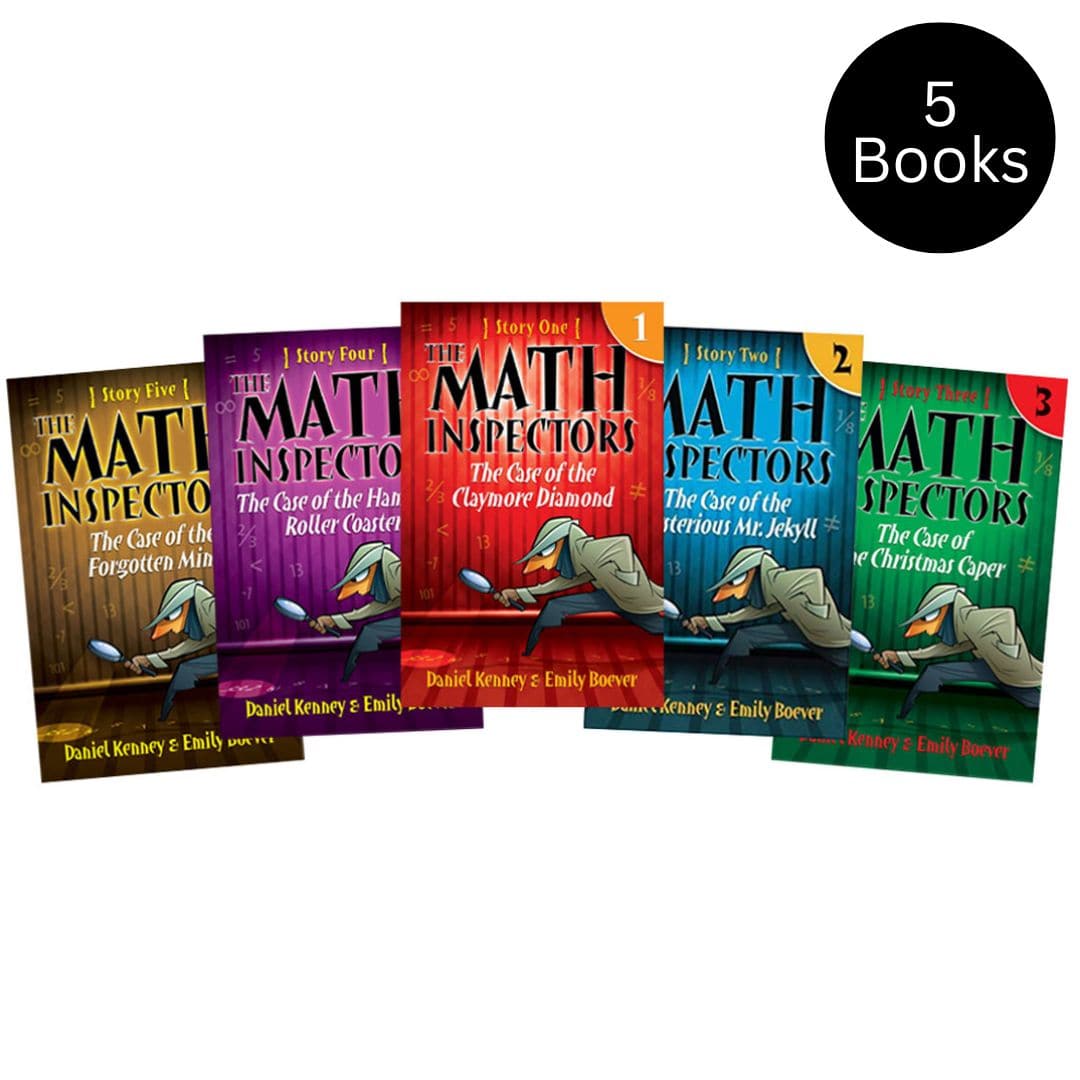
Bakken Books on Audible provides captivating, well-narrated volumes that go excellently with the real book if you're looking for a great place to start. A warm, expressive narrator can help younger readers, in particular, go from disliking reading time to genuinely looking forward to it.
The perfect scenario is for your child to follow along with their finger while the audio plays as they have the actual book open in front of them. With a little assistance, you're reading together rather than just listening.
Pro Tip: Let your kids pick the book. When they have control over the choice, ADHD brains are far more driven.
More Strategies to Support Your ADHD Reader
Here are some additional strategies that can have a significant impact in addition to timers and audiobooks:
Establish a Distraction-Free Reading Environment
Siblings, screens, clutter, and background noise all compete for an ADHD child's attention. Choose a peaceful, comfortable area with less visual clutter. Soft background noise, such as white noise or soothing music, can actually help some children concentrate better. Try different things to see what works for you.
Utilize a Finger Guide or Reading Tracker
They can avoid lost-place irritation and keep their eyes focused by placing a simple bookmark, ruler, or even their own finger under the line they are reading.
Read Aloud Together
Take turns reading paragraphs or pages. This keeps the energy dynamic, gives your child a break from the effort of decoding, and gives you a natural window into how they're tracking the story.
Choose High-Interest Books
An ADHD child will work significantly harder to read something they actually care about. Don't worry about reading level; engagement and motivation matter more right now. A comic book, graphic novel, or book about their favorite topic is still reading. Bakken Books “Shop by Interest” is a great resource for finding books matched to your child's age and interest.
Break It Into Chunks
Rather than one long reading session, try two or three short ones throughout the day. The ADHD brain often performs better in shorter, focused bursts, which is exactly what the timer strategy supports.
When to Ask for Extra Help
While at-home tactics can be very helpful, children occasionally require extra assistance. Think about contacting an expert if:
- Your child's reading proficiency is well below grade level.
- They exhibit symptoms of dyslexia, such as letter reversals and difficulty pronouncing familiar words.
- Anxiety related to reading is severe or worsening.
- After a few solid weeks, home tactics aren't having any effect.
Your child's school, an educational therapist, or a reading specialist can assess the situation and develop a focused plan. For kids with ADHD, many schools provide reading assistance through 504 Plans or IEPs (Individualized Education Programs). For parents navigating this procedure, the National Center for Learning Disabilities offers great resources.
Reading doesn't have to be a daily struggle. Your child's relationship with reading can be entirely transformed with the correct tools, such as a basic timer, an interesting audiobook like those available from Bakken Books on Audible, and a little determination. A flawless system is not necessary. All you need is a starting point.
FAQs
➤ Can kids with ADHD become strong readers?
Absolutely. Many children with ADHD go on to become avid, capable readers, especially when they find books that captivate them and receive the right support early on. The goal isn't to "fix" the ADHD brain; it's to work with it.
➤ At what age should I be concerned about reading struggles?
If your child is in 1st or 2nd grade and significantly behind peers in reading, especially in letter recognition, sounding out words, or reading fluency, it's worth a conversation with their teacher or pediatrician. Earlier intervention leads to better outcomes.
➤ Is it bad to use audiobooks? Does it count as "real reading"?
Yes, it counts. Listening comprehension is a core literacy skill, and for many children with ADHD, audiobooks are a bridge, not a crutch. Over time, the exposure to fluent reading, vocabulary, and story structure builds the foundation for stronger independent reading.
➤ How long should my ADHD child read each day?
Start where they can succeed. Even 10 focused minutes of daily reading builds habit and momentum. Gradually increase from there. Consistency matters more than duration.
➤ My child hates all books. What should I do?
Try going beyond traditional chapter books. Graphic novels, joke books, activity books, magazines about their favorite topics, and "choose your own adventure" formats all count. The goal right now is to make reading a positive experience; format is secondary.