
If you’ve ever asked your child to pick up a book instead of a controller, you already know how that conversation usually goes.
The sigh.
The eye roll.
The “I’ll do it later.”
Meanwhile, they can spend hours fully locked into a game without losing focus for a second.
For a lot of parents, this creates a frustrating feeling. You know reading matters. You know strong reading skills affect confidence, school performance, attention span, and long-term learning. But when your child would rather spend every free minute gaming, books can start feeling impossible to compete with.
And after a while, many parents begin wondering if their child just “isn’t a reader.”
But in many cases, that’s not actually true.
The problem usually is not that kids dislike stories.
It’s that traditional books often fail to connect with the things kids already care deeply about.
Why Gamer Kids Often Resist Traditional Books
A lot of children between the ages of 8 and 12 are constantly surrounded by fast-paced entertainment.
Video games move quickly. They provide instant feedback, constant goals, visual stimulation, and endless interaction.
Then many kids open a traditional chapter book and immediately feel disconnected.
The pacing feels slower. The characters may not feel relatable. The story may take too long to get interesting.
For gamer kids especially, books often lose them before the story even gets started.
Forcing random books rarely works long term. Children are much more likely to engage with reading when the content feels connected to their interests and personality.
A child who loves strategy games, online competition, virtual worlds, or adventure-based gaming already enjoys storytelling more than parents may realize. They are already emotionally invested in narratives, characters, challenges, and progression.
The key is finding books that tap into that same excitement.
Gaming and Reading Actually Use Similar Skills
A lot of adults think gaming and reading sit on opposite ends of the spectrum.
But for kids, they often overlap more than parents expect.
Both involve:
-
Problem-solving
-
Following storylines
-
Understanding characters
-
Anticipating outcomes
-
Staying mentally engaged
-
Navigating challenges
Gaming already proves something important about your child: They can focus deeply when they are interested.
That matters.
Because one of the biggest barriers to reading is not always ability. Often, it’s engagement.
When a child becomes emotionally invested in a story, reading starts feeling less like work and more like entertainment.
That’s when reading habits begin to change.
Why Books About Gaming Work for Reluctant Readers
Books about gaming lower resistance almost immediately because they feel familiar.
Instead of asking kids to completely leave behind the worlds they love, gaming books meet them there first.
The pacing tends to move faster. The stakes feel exciting right away. Chapters are often built around cliffhangers, missions, competition, or progression systems that mirror what kids already enjoy in games.
That familiarity is powerful.
For many reluctant readers, gaming books become the first books they voluntarily keep reading without being reminded over and over again.
And once that happens, something important changes psychologically.
Kids begin seeing themselves differently.
Instead of: “I hate reading.”
It slowly becomes: “Maybe I just hadn’t found the right books yet.”
Every completed chapter becomes a small win. Every finished book becomes proof that they can do it.
The more kids read, the stronger their reading skills become. The stronger their reading skills become, the more enjoyable reading feels. Eventually, many children who once avoided books begin seeking out new stories on their own.
The Biggest Mistake Parents Make With Reading
Many parents understandably focus heavily on reading level. But interest level matters just as much. Sometimes even more.
A child who is genuinely excited about a story will push through harder vocabulary, longer chapters, and more difficult reading challenges because they care about what happens next.
Children improve at reading by spending more time reading. And children spend more time reading when books actually hold their attention.
This is especially true for gamer kids because they are already used to immersive experiences that reward persistence and curiosity.
The right gaming book taps directly into that mindset.
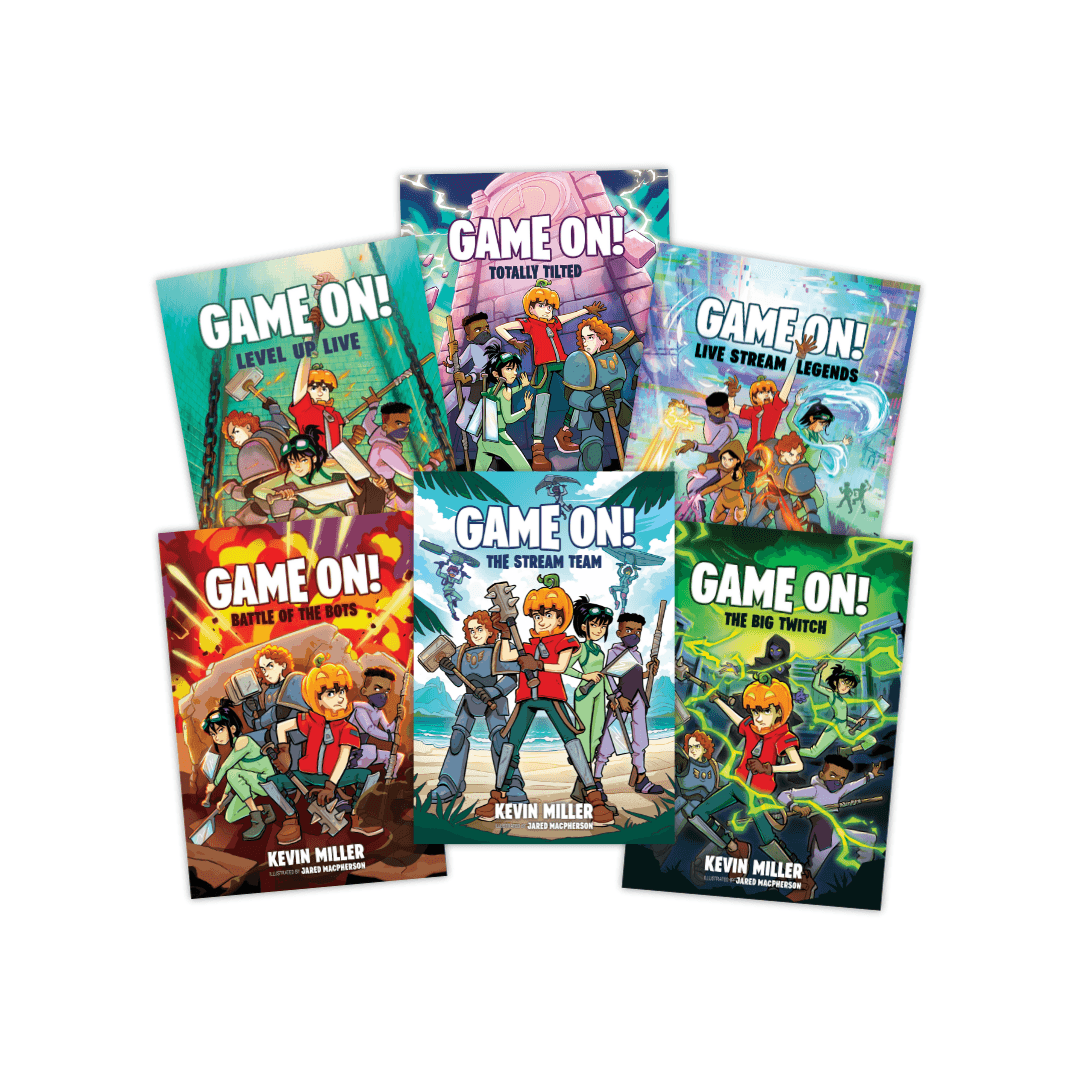
Why the Game On! Books Connect With Gamer Kids
At Bakken Books, we know many reluctant readers are not struggling because they lack intelligence or imagination.
They are struggling because books have not captured their attention in the same way games do. That’s exactly why the Game On! Series was written.
This series is designed specifically for kids who love gaming culture, competition, fast-paced storytelling, and adventure. Instead of slow introductions and drawn-out setups, the stories move quickly and keep readers engaged with humor, action, and relatable characters.
For many parents, the biggest surprise is how quickly gamer kids start turning pages once they connect with stories that actually feel built for them.
And that momentum matters. Because once kids successfully finish one book, they become much more likely to start another.
Reading Does Not Have to Replace Gaming
This is one of the most important mindset shifts for families.
Gaming books create a bridge between the two worlds.
Instead of fighting against your child’s interests, books based on gaming use those interests to rebuild reading habits naturally. And for many parents, that approach feels far more effective than constant battles over screen time.
Help Gamer Kids Fall Back in Love With Reading
At Bakken Books, we create stories designed to keep kids engaged from the very first chapter. Our books are built for reluctant readers, gamer kids, and children who need faster pacing and more excitement to stay invested in reading.
The Game On! Series was created specifically for kids who would rather grab a controller than a chapter book. Because sometimes the best way to build a reader is not by forcing kids away from what they love…
It’s by turning what they already love into the reason they start reading again!
FAQs About Gaming Books and Reluctant Readers
Are gaming books still considered “good reading”?
Absolutely. Any book that keeps a child actively reading helps strengthen vocabulary, comprehension, fluency, and focus. The most important thing is getting kids excited to keep turning pages consistently.
What age are gaming books best for?
Most gaming books are especially popular with kids ages 8–12 because this is when many children begin developing stronger personal interests while also facing more independent reading expectations at school.
Should parents let kids read books connected to their hobbies instead of more “educational” books?
Yes. Interest-driven reading is often one of the best ways to build stronger reading habits. Kids who enjoy what they are reading spend more time reading, and that extra reading practice is what helps improve skills over time.
Should parents replace all screen time with reading?
Balance is usually more effective than complete elimination. The goal is not to make kids dislike gaming. It’s to help them rediscover that books can also be entertaining, immersive, and exciting in their own way.
What if my child says they hate reading altogether?
Oftentimes, kids who say they hate reading actually dislike the experience of struggling through books that do not interest them. Finding stories tied to their passions can completely change how they feel about books.