Table of Contents
- Why Independent Reading Is Important for Long-Term Success
- Benefits of Independent Reading Beyond Academics
- How to Encourage Reading in Kids Through Choice
- How to Motivate a Child to Read Without Making It Feel Like Work
- How to Get My Child to Read Independently: Use Audiobooks as a Bridge
- Why Independent Reading Is Important for Building Lifelong Readers
- Final Thoughts on the Benefits of Independent Reading
- Frequently Asked Questions About Independent Reading
Many parents dream of the day when their child curls up with a book and happily reads on their own. Yet getting from picture books, one-on-one reading or bedtime stories to true independent reading can feel like a long journey. Some children struggle with confidence, while others simply prefer screens or other activities.
The good news is that independent reading is a skill that can be developed over time. With the right support, encouragement, and books, children can learn to enjoy reading independently and build habits that benefit them for years to come.
Why Independent Reading Is Important for Long-Term Success
Parents often ask why independent reading is important when they already read aloud with their children. While reading together remains valuable, independent reading offers unique benefits that help children grow academically and personally.
When children read on their own, they practice making sense of text without relying on someone else. This strengthens critical thinking, problem-solving, and comprehension skills. Independent readers also develop greater confidence because they learn they can successfully navigate stories by themselves.
Reading independently helps children:
-
Improve reading fluency
-
Strengthen vocabulary
-
Increase comprehension skills
-
Develop concentration and focus
-
Build confidence and self-reliance
-
Foster creativity and imagination
The more a child reads independently, the more capable and motivated they often become. This positive cycle is one reason educators consistently emphasize independent reading throughout elementary and middle school.
Benefits of Independent Reading Beyond Academics
The benefits of independent reading extend far beyond better grades and test scores.
Books allow children to explore new worlds, cultures, and perspectives. Through stories, they learn empathy, resilience, and emotional intelligence. Reading also gives children a healthy way to relax and unwind while stimulating their imagination.

Children who regularly read for pleasure often develop:
-
Better communication skills
-
Increased curiosity
-
Stronger emotional awareness
-
Improved attention spans
-
Greater confidence in learning new subjects
Most importantly, independent reading helps children discover that books can be enjoyable, not just assignments or homework.
How to Encourage Reading in Kids Through Choice
One of the most effective ways to encourage reading in kids is to give them ownership over what they read.
Many parents unintentionally discourage reading by insisting on books they think their child "should" read. While classic literature and educational books have value, children are far more likely to read when they feel invested in their choices.
Allow your child to select books based on their interests. Whether they love fantasy, mystery, adventure, sports, animals, or humor, there is a book that can spark their enthusiasm.
How to Encourage Reading in Kids with the Right Reading Level
Finding the right reading level is equally important.
Books that are too difficult can leave children frustrated and discouraged. Books that are too easy may fail to hold their interest.
A good independent reading book should challenge a child enough to promote growth while still allowing them to understand and enjoy the story. When children experience success, they're more likely to continue reading on their own.
How to Encourage Reading in Kids with the Right Reading Level
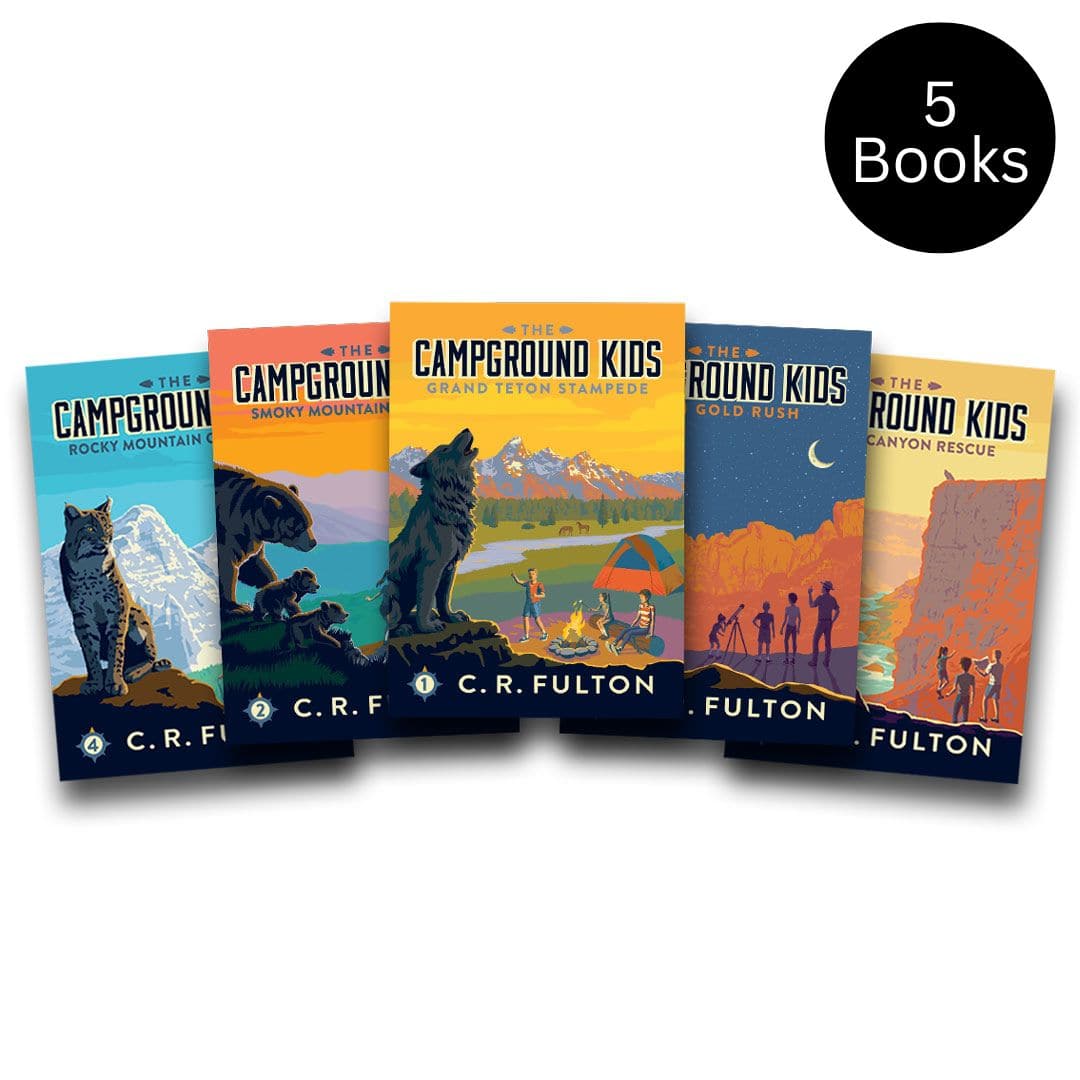
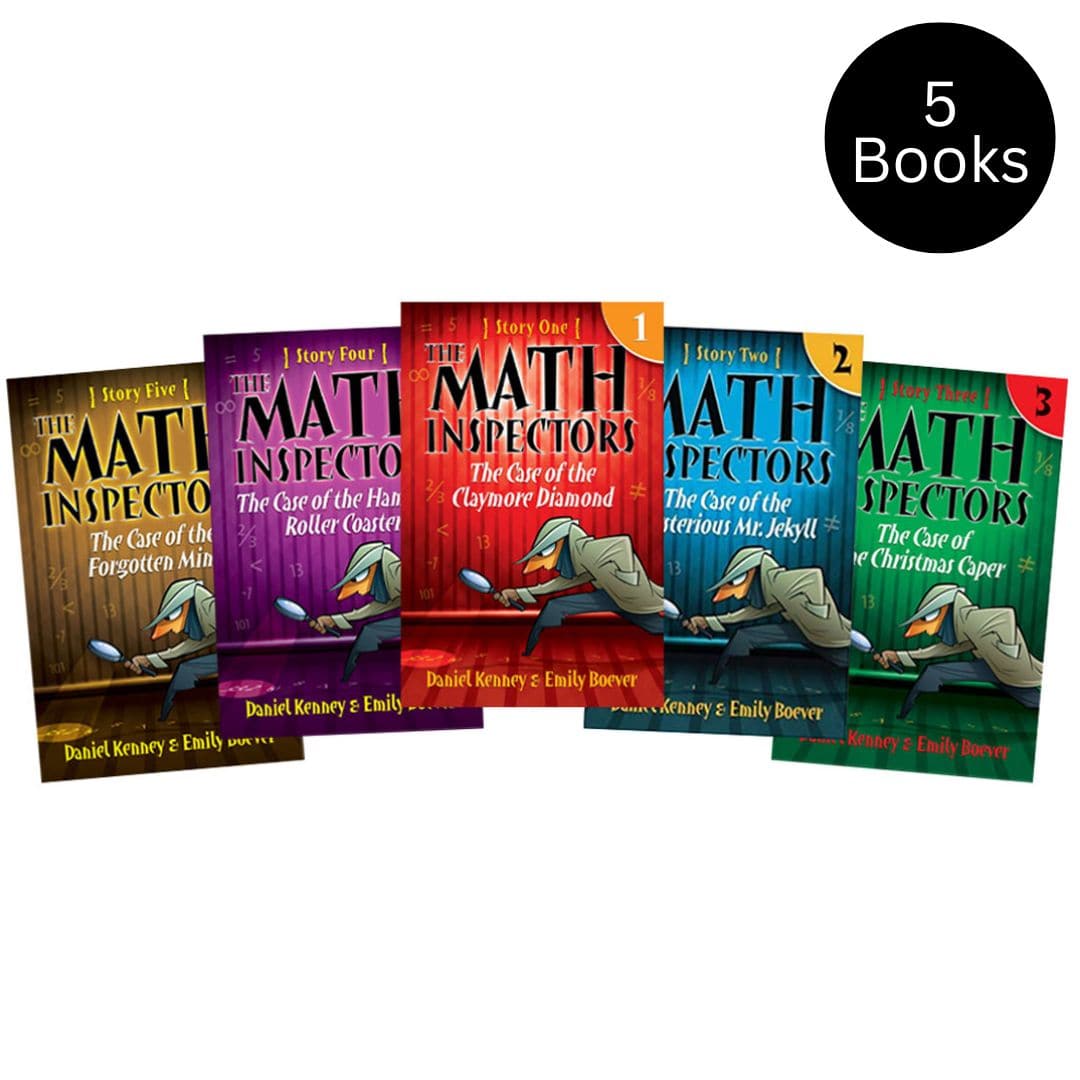
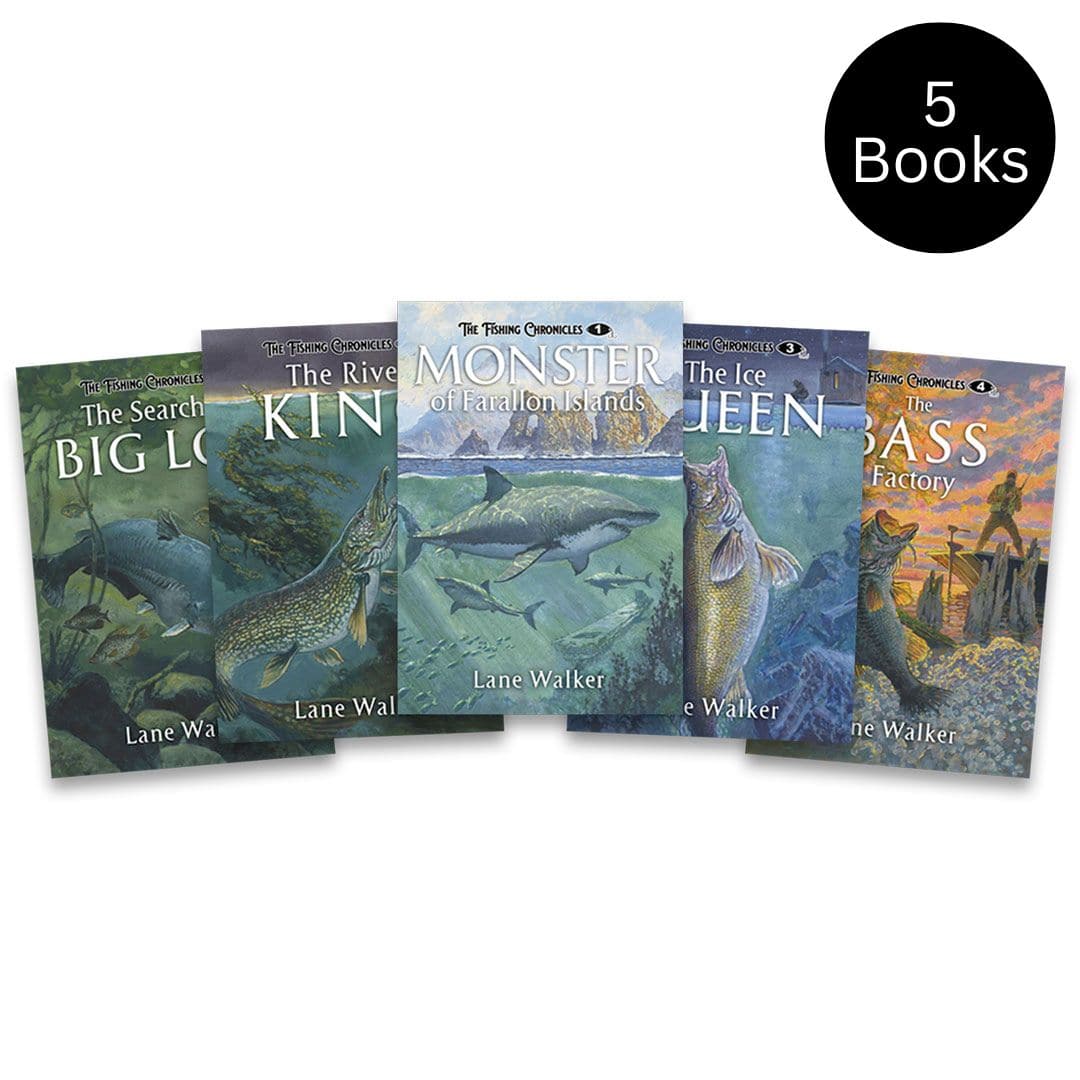
Not every book is ideal for a child who is developing reading independence. The best independent reader books provide engaging stories, relatable characters, and age-appropriate language.
Look for chapter books that:
-
Match your child's interests
-
Have manageable chapter lengths
-
Include engaging plots
-
Feature characters children can connect with
-
Provide enough challenge without overwhelming them
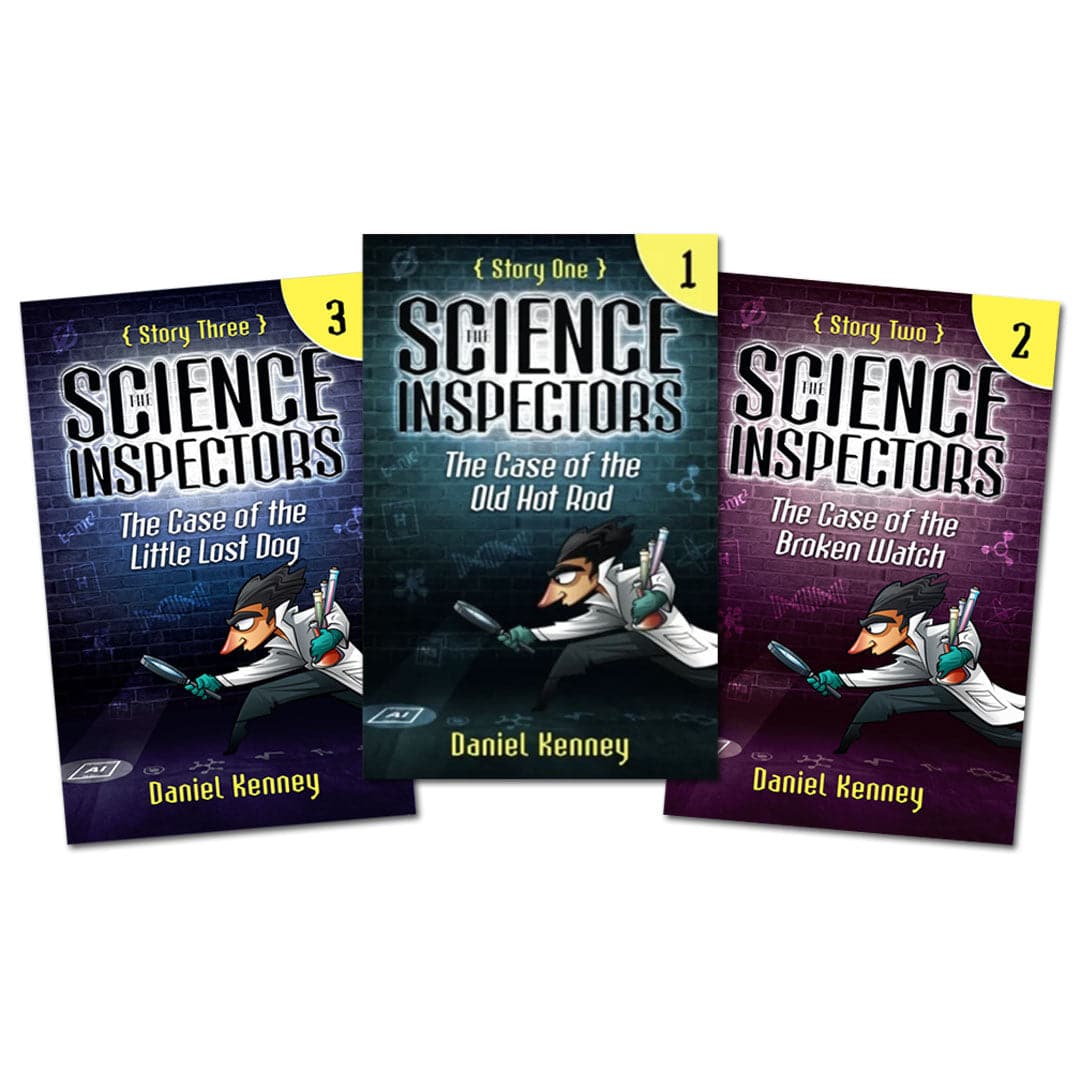
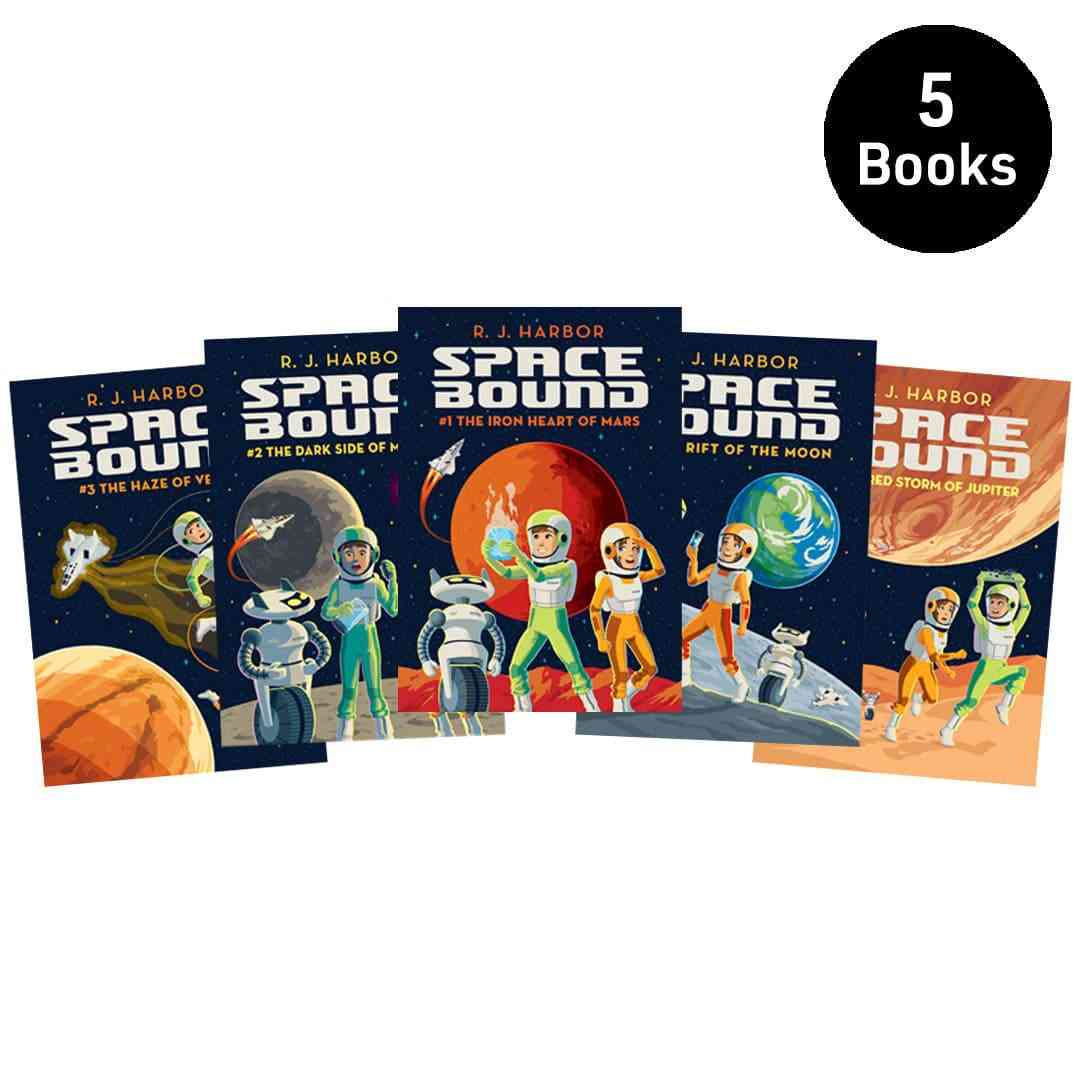
For children ages 8–12, exciting adventure stories, mysteries, and humorous fiction often help build reading momentum because kids genuinely want to know what happens next.
The goal isn't simply to finish a book, it's to help children associate reading with enjoyment and accomplishment.
How to Motivate a Child to Read Without Making It Feel Like Work
Many parents worry because their child resists reading. If you're wondering how to motivate a child to read, the key is creating positive reading experiences rather than turning reading into another chore.
Avoid using reading as a punishment or constantly testing your child on what they've read. Instead, focus on making reading enjoyable.
Try:
-
Creating a cozy reading space
-
Visiting the library regularly
-
Talking about books together
-
Celebrating completed books
-
Letting children share favorite characters or scenes
Children are often motivated by enthusiasm. When they see family members enjoying books, they're more likely to view reading as a rewarding activity rather than an obligation.
How to Get My Child to Read Independently: Use Audiobooks as a Bridge
Many parents ask, "How do I get my child to read independently?" One highly effective strategy is pairing a chapter book with its audiobook version.
This creates a bridge between reading with a parent and reading completely alone.

How to Get My Child to Read Independently with Audiobook Support
Encourage your child to follow along in the physical book while listening to the audiobook. They can track each line using a bookmark or finger as they read.
This approach combines listening and reading simultaneously, helping children connect spoken language with written words. The result is a powerful mind-body learning experience that improves fluency, confidence, and comprehension.
For families with multiple children, finding 20 or more minutes every day for one-on-one reading can be challenging. Audiobook-supported reading allows children to receive guided support independently, making it easier for parents while still encouraging literacy growth.
Benefits of Independent Reading Through Audiobook-Assisted Reading
Audiobooks help children focus on understanding the story rather than getting stuck on difficult words.
Instead of becoming frustrated by every unfamiliar term, children can stay engaged with the plot and characters while naturally expanding their vocabulary through context.
Many parents find this method creates excitement around reading. Children feel successful because they're reading independently, yet they still have support when they encounter challenging material.
Over time, this confidence often leads to full independence, helping children transition to longer chapter books and more advanced reading experiences.
Why Independent Reading Is Important for Building Lifelong Readers
The ultimate goal isn't simply getting your child to finish books. It's helping them become lifelong readers.
Children who discover the joy of reading are more likely to continue reading as teenagers and adults. They gain access to endless opportunities for learning, creativity, and personal growth.
The journey to independent reading doesn't happen overnight. It requires patience, encouragement, and the right resources. By allowing children to choose engaging books, creating positive reading experiences, and using tools like audiobooks to bridge the gap, parents can help children build confidence and develop a genuine love of reading.
Final Thoughts on the Benefits of Independent Reading
The benefits of independent reading extend far beyond childhood. Strong readers often become stronger learners, communicators, and thinkers throughout life.
If your child isn't reading independently yet, don't worry. Focus on progress rather than perfection. Celebrate small victories, support their interests, and provide opportunities to experience success.
With the right encouragement and engaging independent reader books, children can develop the confidence they need to read on their own—and discover a lifelong love of stories along the way.
Frequently Asked Questions About Independent Reading
Why is independent reading important for children?
Independent reading helps children develop fluency, comprehension, vocabulary, and confidence. It also strengthens critical thinking skills and supports lifelong learning.
What are the benefits of independent reading for kids?
The benefits include improved vocabulary, stronger comprehension, better concentration, increased confidence, empathy, communication skills, and personal growth.
How can I encourage reading in kids who don't enjoy books?
Let children choose books that match their interests, create a comfortable reading space, visit the library regularly, and model reading at home.
How do I motivate a child to read independently?
Focus on enjoyable reading experiences. Celebrate completed books, discuss stories together, offer age-appropriate books, and consider pairing books with audiobooks.
What are the best independent reader books for ages 8–12?
The best books match a child's reading ability and interests. Chapter books with engaging characters, exciting plots, and manageable reading levels work especially well.