A Parent’s Guide to Building Lifelong Readers
Reading with your child is one of the most powerful things you can do as a parent. It strengthens your relationship, supports your child’s development, and builds skills that last a lifetime.
Yet today, fewer children are reading for fun than ever before. Research shows that only about one in five children reads daily for pleasure. At the same time, screen time continues to rise, often replacing time that could be spent with books.
This makes reading together more important than ever.
In this guide, we will explore why reading with your kids matters, what the research says, and how you can make it part of your daily routine even with a busy schedule.
What Are the Benefits of Reading Together With Your Kids?
Reading together is not just about learning words on a page. It supports nearly every part of your child’s growth. Studies from the University of Cambridge show that children who read for pleasure early in life have better cognitive performance and improved mental well-being as they grow older. Reading activates multiple areas of the brain at once, helping children build connections that support memory, focus, and problem solving.
Better language and vocabulary skills
Children who are ready to regularly hear a wider range of words than they would in everyday conversation. This helps them develop stronger vocabulary, better sentence structure, and clearer communication skills. By the time children start school, those who have been read to consistently often have a significant advantage in language development.
Improved academic performance
Reading together builds the foundation for success in school. Children who read regularly tend to perform better in reading, writing, and even subjects like math because they can better understand instructions and problem solving steps.
Stronger parent child connection
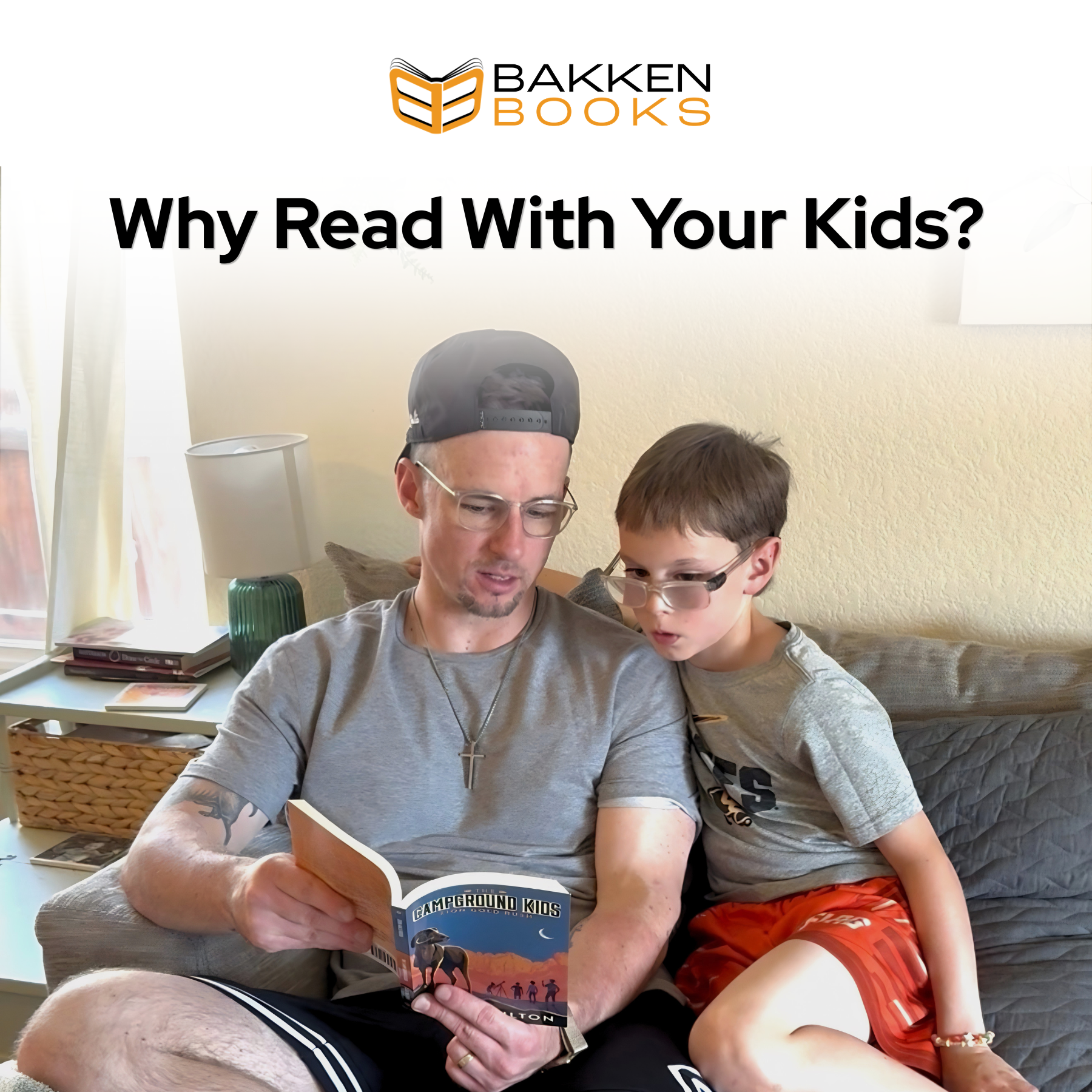
Reading creates a shared experience. Sitting together with a book gives you uninterrupted time to connect, talk, and laugh. Many parents report feeling closer to their children through reading routines.
How Does Reading Together Impact Your Child’s Future?
The benefits of reading together go far beyond early childhood.

Research has found that reading for pleasure can be more important for a child’s academic success than their parents’ level of education. In other words, building a habit of reading can help level the playing field for children from all backgrounds.
Children who are read to regularly are also more likely to become independent readers. This leads to stronger learning habits, higher confidence, and better long term outcomes in school and beyond.
Reading helps children develop empathy as well. Through stories, they experience different perspectives, emotions, and situations. This supports emotional intelligence and social skills that are essential later in life.
Why Is Reading Aloud to Kids So Important?
Read-alouds for kids is one of the most effective ways to support early literacy.
Even before children can read on their own, they are learning how language works. They hear sentence patterns, discover new words, and begin to understand how stories are structured.
Research shows that reading to a child several times per week can significantly boost literacy development. In some cases, it can provide a developmental advantage equivalent to several months of growth.
When should you start reading to your child?
The answer is simple. As early as possible.
Babies benefit from hearing your voice, even if they do not understand the words yet. Reading helps them develop listening skills and introduces them to the rhythm of language.
Is it too late to start?
It is never too late. Whether your child is a toddler, in elementary school, or older, reading together still provides benefits. Older children especially benefit from discussions about stories, characters, and ideas.
Why Are Kids Reading Less Today?
Understanding the challenge helps parents respond to it.
Today, many children spend several hours per day on screens. While technology has benefits, it often replaces time that could be spent reading.
At the same time, fewer children report enjoying reading. When reading feels like a chore instead of a pleasure, children are less likely to continue on their own.
This matters because lower reading frequency is linked to weaker literacy skills and lower academic performance. Many children struggle to meet reading benchmarks by the time they reach middle school.
The good news is that parents can make a big difference.

How to Start Reading Together (Even If You Are Busy)
One of the biggest concerns parents have is time. The good news is that reading together does not require hours each day.
Start small
Even ten to fifteen minutes a day can make a meaningful difference. Consistency matters more than duration.
Build it into your routine
Bedtime is one of the easiest and most effective times to read together. It creates a calming transition and gives children something to look forward to each night.
Let your child choose the book
When children have a say in what they read, they are more engaged. Follow their interests, whether it is animals, adventure, or humor.
Re-read favorites
It might feel repetitive to you, but repetition helps children build confidence and understanding. Familiar stories allow them to recognize words and patterns.
5 Reading Tips for Parents That Actually Work
If you want to make reading more effective and enjoyable, focus on how you read together.
-
Make reading interactive
Ask simple questions while reading. What do you think will happen next? Why did the character do that? This helps build comprehension and critical thinking.
-
Use expression and voice
Bring the story to life with different voices, tone, and emotion. This keeps children engaged and makes reading more fun.
-
Follow your child’s pace
Some children want to move quickly through a story, while others want to stop and talk. Let their curiosity guide the experience.
-
Be a reading role model
Children are more likely to read if they see their parents reading. Your habits matter. Even a few minutes of reading in front of your child can make a difference.
-
Focus on enjoyment
Not every reading session needs to be educational. The goal is to help your child associate books with positive experiences.
How to Make Reading Fun for Kids
If your child is not naturally drawn to books, there are simple ways to increase interest:
-
Create a cozy reading space with pillows and soft lighting. Make it a place they enjoy being.
-
Connect books to real life experiences. If you read about animals, visit a zoo or watch a related documentary.
-
Use storytelling beyond the book. Let your child imagine alternate endings or create their own stories.
-
Visit libraries or bookstores regularly. Let your child explore and discover new books that interest them.
Final Thoughts: Simple Ways to Provide Help With Reading for Kids
Reading together with your child is one of the simplest and most impactful habits you can build.
It supports brain development, strengthens your bond, and prepares your child for success in school and life.
You do not need to be perfect or have hours of free time. Even a few minutes each day can make a lasting difference. The most important thing is to start.
Frequently Asked Questions About Reading With Kids
What if I can’t convince my kid to read with me?
If your child resists reading, you are not alone. The key is to shift from reading as a task to reading as a shared experience.Remove pressure and keep it relaxed. Instead of something they “have to do,” make it feel like special time together. Even a few minutes helps.
Let your child choose what to read. Follow their interests, whether it is comics, jokes, or nonfiction. Engagement matters more than the format.You can also connect books to real life. Read about animals and visit the zoo, or read about cooking and try a recipe. These small experiences make reading more meaningful. Over time, these positive moments help build a lasting interest in reading.
Why is reading important for child development?
Reading supports language development, cognitive growth, emotional understanding, and academic success. It helps children build essential skills that affect nearly every area of life.
How long should reading sessions be?
Ten to fifteen minutes is enough to make an impact, especially for younger children. Older children may enjoy longer sessions.
When should I start reading to my child?
You can start reading from infancy. Babies benefit from hearing language and developing listening skills.
Is it still important to read to older children?
Yes. Reading to older children helps with comprehension, vocabulary, and critical thinking. It also provides valuable time to connect.
What if my child does not like reading?
Start with topics they enjoy and keep sessions short and fun. Avoid pressure and focus on creating a positive experience.
Is reading better than screen time?
Reading and screen time serve different purposes, but reading provides deeper cognitive and language benefits. Balancing both is important.
Should I stop reading to my child once they can read on their own?
No. Continue reading together even after your child becomes independent. It supports higher level thinking and keeps reading enjoyable.