Table of Contents
- The Screen Time Problem Parents Are Facing
- Why Audiobooks Are Beneficial for Kids
- The Secret: Read Along With the Audiobook Playing
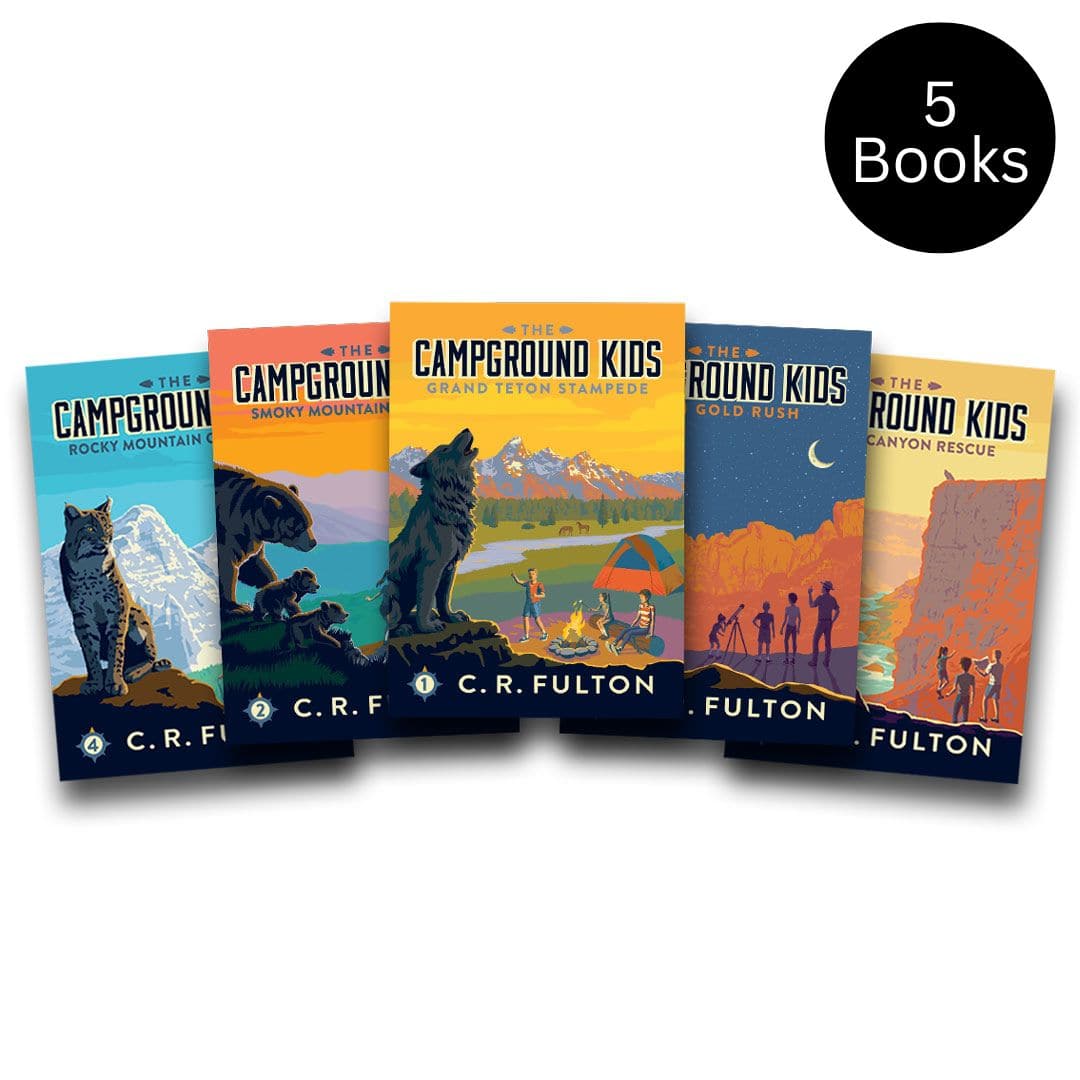
- The Campground Kids: National Park Adventures (Books 1–10)
- Why This Series Gets Reluctant Readers Turning Pages
- Screen Time vs. Audiobooks
- Ready to Start the Read-Along Habit?
- Frequently Asked Questions
If you've ever wondered, "Is there a better way to keep my kid entertained that doesn't involve a screen?" you're asking the right questions in today’s age. One of the most powerful, research-backed answers is sitting right on your bookshelf (or in your podcast app): audiobooks for kids.
In this guide, we're breaking down the real differences between audiobooks and screen time, what child development experts say about screen time for children, and why pairing a physical book with its audiobook might be the single best habit you build with your kids this year.
We'll also introduce you to a series that was practically made for this exact purpose: The Campground Kids: National Park Adventures, Books 1–10, all available with matching audiobooks.
The Screen Time Problem Parents Are Facing
Screen time has become the default babysitter in millions of households, and it's easy to see why. Tablets are engaging, portable, and endlessly available. But pediatric health organizations have raised consistent concerns about excessive screen time for kids, linking it to shorter attention spans, disrupted sleep, reduced physical activity, and fewer opportunities for imaginative play.
The American Academy of Pediatrics has long recommended limiting recreational screen use, especially passive scrolling or video consumption that doesn't require active engagement from the child.
The issue is that most screen time is passive. A kid watching a video is absorbing content, not creating it. Their brain isn't being asked to picture a scene, predict what happens next, or build vocabulary through context. That's where audiobooks change the equation entirely.
Why Audiobooks Are Beneficial for Kids
Are audiobooks good for kids? According to literacy researchers and reading specialists, the answer is a resounding yes, audiobooks offer many of the same cognitive benefits as traditional reading. And in some cases, unique advantages screens can't replicate.
Here's what makes audiobooks for children so valuable:
They build vocabulary and comprehension.
Listening to a well-narrated story exposes kids to sentence structures, tone, and vocabulary that may be above their independent reading level, stretching their language skills faster than screen-based entertainment.
They strengthen imagination.
Without visuals doing the work for them, kids have to construct the world, characters, and action in their own minds.
They improve listening skills and focus.
Following an audiobook requires sustained attention, which trains the same "stick-with-it" muscles kids need for school, reading, and everyday tasks.
They make reading accessible to reluctant or struggling readers.
For kids who find books intimidating, hearing a story can build confidence and a love of storytelling before decoding words becomes a barrier.
They're perfect for road trips, chores, and downtime
Offering entertainment without a screen glowing in a kid's face before bed.
The Secret: Read Along With the Audiobook Playing
Don't choose between the physical book and the audiobook. Use both at the same time.
This method, sometimes called "audiobook read-along" or "assisted reading," is one of the most effective literacy tools available. When a kid holds the physical book and follows the words on the page while listening to the narration, a few things happen at once:
-
Reading fluency improves dramatically, because kids see how words are pronounced, paced, and grouped into phrases as they hear them spoken aloud.
-
Comprehension goes up, since the auditory and visual channels reinforce each other instead of competing for attention (unlike a screen, which pulls focus away from text entirely).
-
Kids stay engaged longer, because the narration keeps the story moving even if a tricky word would normally cause them to stall out or lose interest.
-
It's screen-free, which means all of these literacy benefits come without the blue light, notifications, or passive scrolling that come with tablets and TVs.
This is one of the best-kept secrets in childhood literacy, and it's why more parents are searching for chapter books with audiobooks as an alternative to iPad or TV time.
The Campground Kids: National Park Adventures (Books 1–10)
If you're ready to put the "read-along" method into practice, The Campground Kids: National Park Adventures series from Bakken Books is one of the best options on the market for kids ages 8–12.
Each book in the series follows a group of kids exploring America's national parks, mixing outdoor adventure, mystery, and friendship into stories that keep young readers hooked chapter after chapter.
Better yet, every book in the series has a matching audiobook, so parents can hand their child the physical book and press play, letting them follow along exactly the way literacy experts recommend!

The ten-book collection takes kids to some of the most iconic national parks in the country:
(For families who want to keep the adventure going, the series continues with Olympic Pursuit, Joshua Tree Mirage, and Hawaii Volcanoes Medallion.)

Why This Series Gets Reluctant Readers Turning Pages
Parents searching for the best chapter books for 8-12 year olds consistently run into the same problem: their kid loves stories but doesn't love sitting still with a book.
The Campground Kids series solves that by combining…
-
Fast-paced, adventure-driven plots set in real national parks, which naturally hook kids who love the outdoors, camping, and exploring.
-
Short, digestible chapters that make the series approachable for struggling and reluctant readers alike.
-
Audiobook narration for every title, so kids can listen and read simultaneously, following the exact method recommended for building fluency and comprehension.
-
Wholesome, family-friendly content parents can feel confident handing to their kids without pre-reading every page.
Families can grab the series as Books 1–5 or Books 6–10 in discounted bundles, making it easy and affordable to build a full home library that replaces screen time without sacrificing the excitement kids crave!
Screen Time vs. Audiobooks

When it comes to language development, imagination, focus, and long-term literacy, the evidence points strongly in favor of audiobooks, especially when paired with the physical book.
Screens aren't going anywhere, and moderate use isn't the enemy. But when parents are looking for a genuinely beneficial alternative to passive screen time, audiobooks paired with printed books offer nearly everything a screen does (entertainment, engagement, "hands-off" convenience) while actively building the skills that matter most.
Starting a read-along habit with a series like The Campground Kids: National Park Adventures gives kids ten (or more) built-in opportunities to fall in love with reading.
Ready to Start the Read-Along Habit?
Explore The Campground Kids: National Park Adventures Books and visit Audible to start the audiobook versions!
Frequently Asked Questions About Audiobooks vs. Screen Time
Do audiobooks count as reading?
Audiobooks build many of the same skills as traditional reading, including vocabulary, comprehension, and storytelling structure. While they don't replace the decoding practice that comes from reading printed text independently, most literacy experts consider audiobooks a valuable form of literacy engagement, especially when paired with a physical book.
Are audiobooks better for kids than screen time?
Audiobooks are generally considered a healthier alternative to passive screen time because they require active listening and imagination rather than passive visual consumption. They also avoid the blue-light exposure and overstimulation associated with tablets and TVs.
What age is best to start audiobooks for kids?
Kids can benefit from audiobooks as early as toddlerhood with picture-book read-alongs, but the read-along method (following a physical book while listening) is especially effective for early elementary through middle-grade readers, roughly ages 7–12.
How much screen time should kids have per day?
Pediatric guidelines generally recommend limiting recreational screen time for school-age children to no more than 1-2 hours per day, with an emphasis on active, educational, or co-viewed content over passive scrolling.
Do audiobooks improve reading skills?
Yes! Listening to audiobooks while following along in the printed text has been shown to improve reading fluency, pacing, pronunciation, and comprehension, making it one of the most effective screen-free literacy tools available to parents.