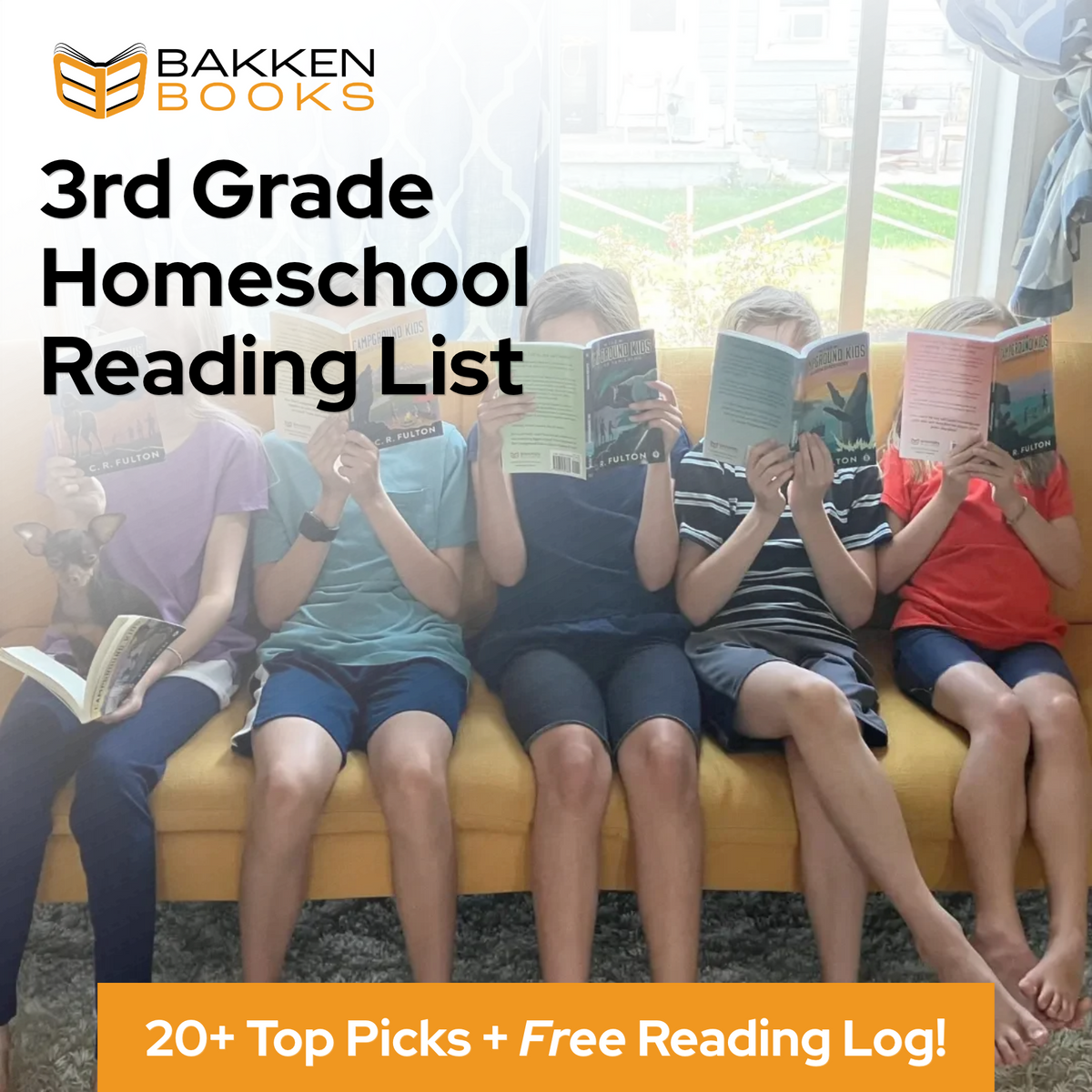
- What Should a 3rd Grader Read?
- The Bakken Books Series Every 3rd Grade Homeschool Needs
- More Popular Books for Your 3rd Grade Homeschool Reading List
- How to Build a Homeschool Reading Routine That Sticks
- Skills Your 3rd Grader Builds Through Reading
- Ready to Build Your 3rd Grade Reading List?
- Frequently Asked Questions About 3rd Grade Homeschool Reading
Third grade is when reading gets real. Chapter books get longer, questions get bigger, and suddenly someone is sneaking a flashlight under the covers at 9 p.m.
As a homeschool parent, you get to steer all of that. The right 3rd grade homeschool reading list builds fluency, vocabulary, and comprehension.
It also builds the one thing worksheets can't: a kid who wants to read.
This list mixes Bakken Books series kids devour with classic read-alouds and other favorites that fit a homeschool routine. Grab a pen and let's go!
What Should a 3rd Grader Read?
The best 3rd grade reading list for homeschoolers combines three types of books:
-
Fast-paced chapter book series that build reading stamina
-
STEM and nonfiction-style stories that connect to math, science, and space
-
Classic read-alouds that stretch vocabulary and spark family discussion
Most third graders read around 520L to 820L on the Lexile scale, but interest beats level every time. A book your kid loves will always outperform a "perfect level" book they hate.
Why 3rd Grade Reading Matters So Much
Third grade is the bridge year.
Kids move from picture-heavy early readers to chapter books for 3rd graders with real plots, cliffhangers, and richer vocabulary. Skills like predicting, inferring, and summarizing start to matter, and reading fluency becomes the foundation for every other subject.
The good news for homeschoolers is that the best homeschool reading curriculum at this age is simple: read a lot, read widely, and talk about it. Series books are perfect for this. When a child loves the characters, they reach for the next book on their own. That's how you build stamina without tears.
Best Bakken Books Series for 3rd Grade Homeschoolers
|
Bakken Books Series |
Best For |
Ages |
Lexile Range |
Books in Set |
|
|
Space lovers, newer chapter book readers |
7–12 |
480–540L |
5 |
|
|
Adventure, nature, and mystery fans |
8–12 |
630–720L |
5 (plus more) |
|
|
Math lovers and puzzle solvers |
8–12 |
620–650L |
5 |
|
|
Curious kids who ask "why?" |
8–12 |
610–670L |
3 |
The Bakken Books Series Every 3rd Grade Homeschool Needs
Bakken Books has sold over 2.7 million books since 2019. Every title is written by real authors (no AI), and the series are built around kids' real interests.
Here are a few of the series that are most popular among our 3rd graders and 3rd grade homeschooling families.
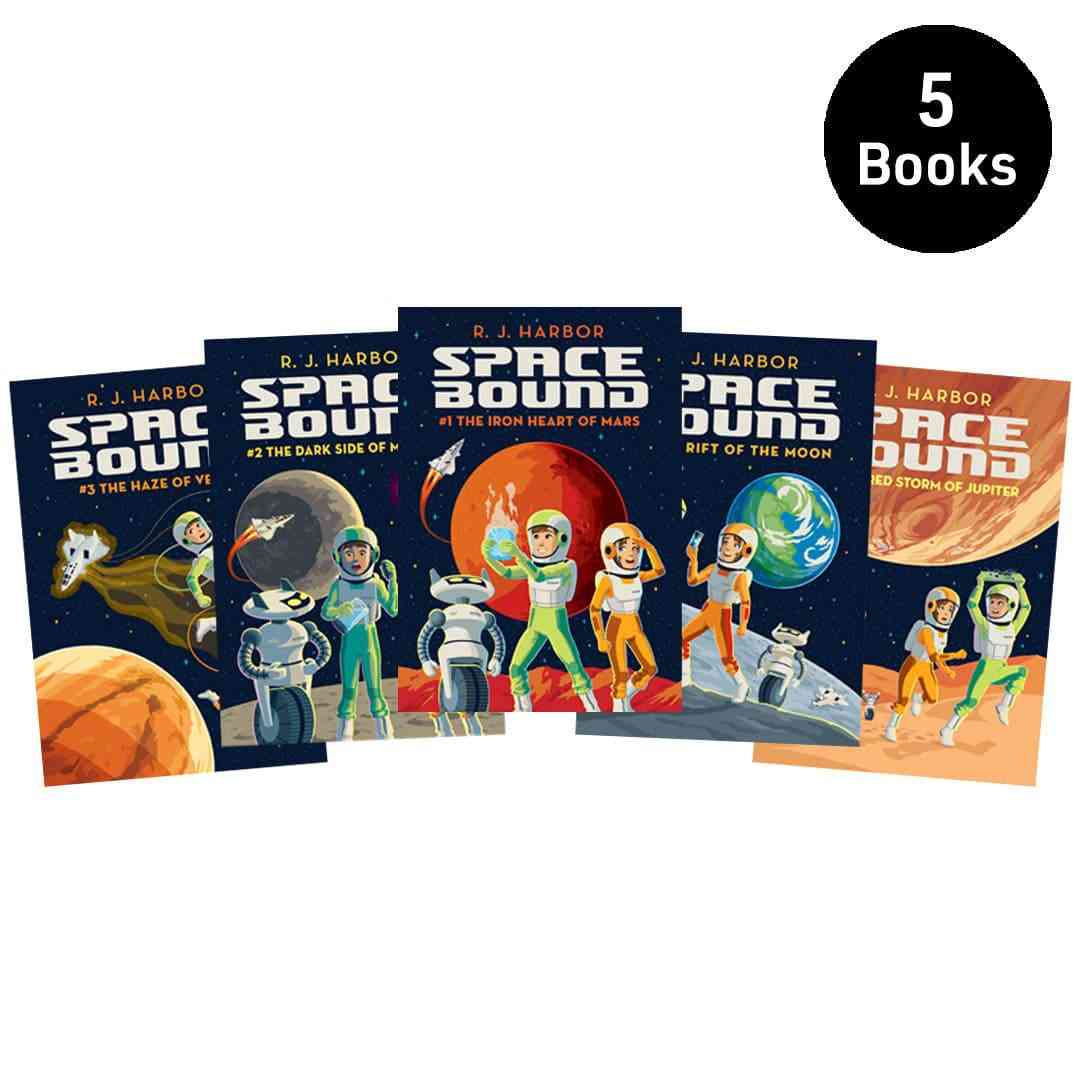
Space Bound: The Easiest Way Into Chapter Books

Best for: newer chapter book readers, space lovers, and read-aloud time
Monty, his sister Ivory, and their robot Echo are playing in a pretend cardboard spaceship when they stumble on a real rocket hidden in the woods. Oops. The countdown starts, and the next thing they know, they're landing on Mars.
The Space Bound series (about 112 pages per book, Lexile 480–540L) is the friendliest entry point on this list. Each book visits a new place in the solar system:
Why homeschoolers love it: It pairs perfectly with a solar system unit study and builds space vocabulary without feeling like a lesson. One mom reported her 8-year-old finished the whole series in a week and immediately asked for more.
Homeschool tip: Read a book, then do a stargazing night with hot cocoa. Have your kid draw the planet from the book and add one real fact to each drawing.
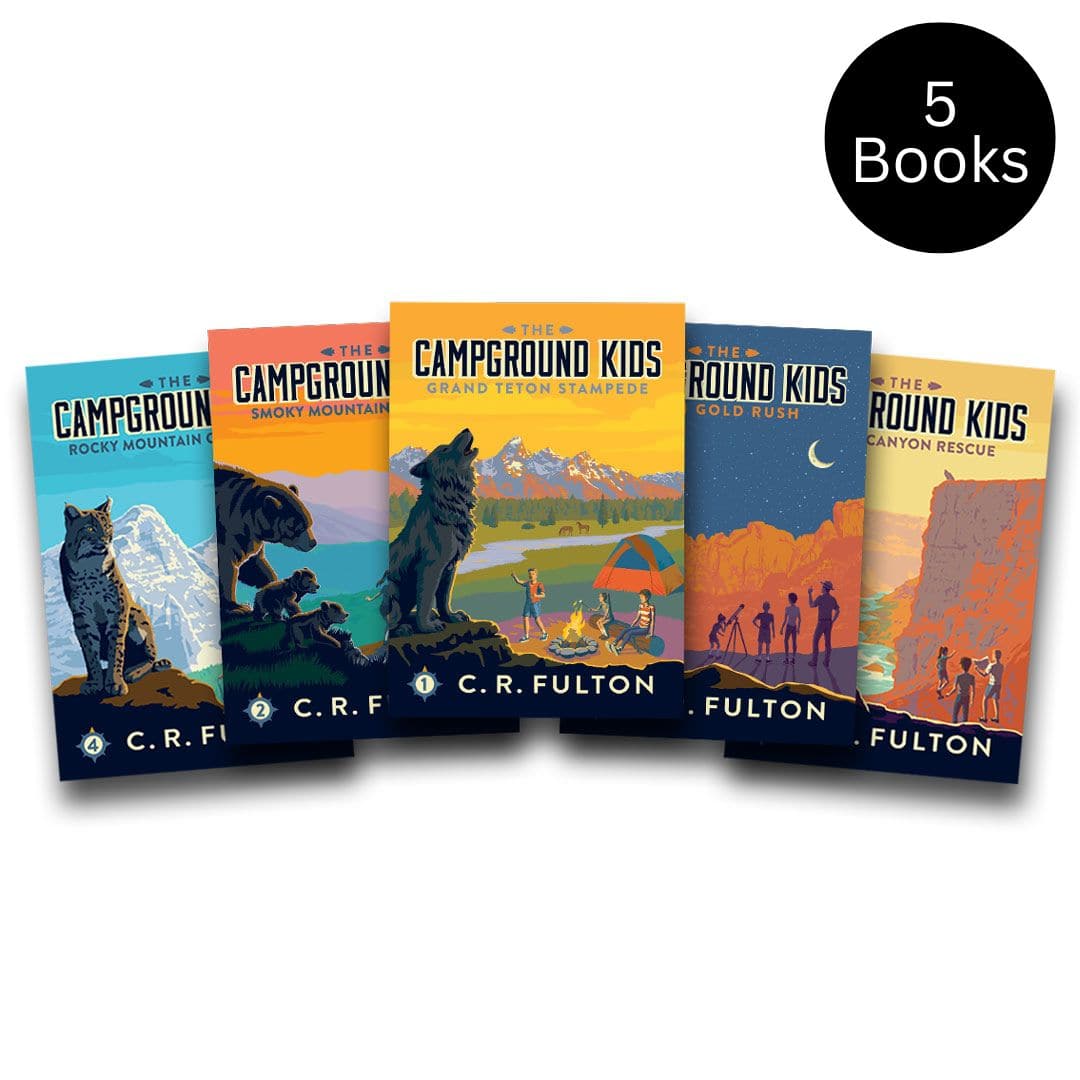
The Campground Kids: National Park Adventures

Best for: adventure fans, nature lovers, and confident independent readers
In National Park Adventures, Isaiah, his sister Sadie, and their cousin Ethan travel to some of America's most stunning national parks. They find mysteries, treasure hunts, and danger, and they learn a lot about teamwork along the way. The five books in the first set are:
At about 170 pages and 630–720L, this is a great pick for a 3rd grader who's ready to stretch. Each book explores character themes like courage, honesty, and perseverance, which makes them ideal for character education and family discussion.
Homeschool tip: Turn the series into a national parks unit study. Map each park, research its wildlife, and start a nature journal. Book 3 even sparks a fossil and geology detour!
Shop The Full Campground Kids Collection →
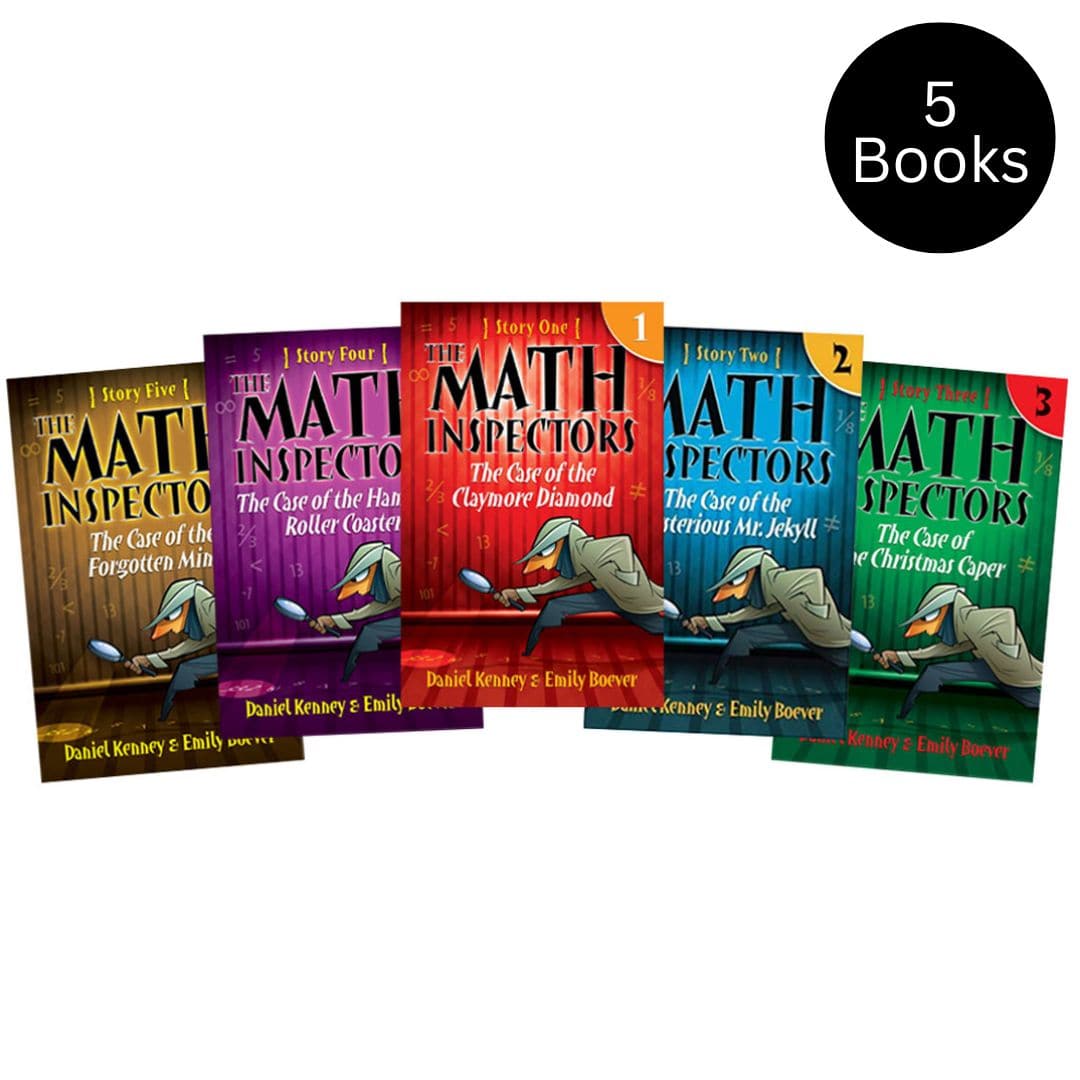
The Math Inspectors: Mystery Meets Math

Best for: kids who love puzzles, and kids who think they hate math
Stanley, Charlotte, Gertie, and Felix are typical twelve-year-olds who love burgers, milkshakes, and math. They love solving mysteries even more, and their hometown of Ravensburg, New York has plenty of secrets to crack.
The Math Inspectors turns word problems into page-turners.
The six cases in the full collection are:
Why homeschoolers love it: Short chapters, plenty of humor, and math that shows up as a tool rather than a chore. At 620–650L, it's a great STEM chapter book series for strong 3rd grade readers or a family read-aloud.
Homeschool tip: After each case, have your child write their own "math mystery" for a sibling or parent to solve.
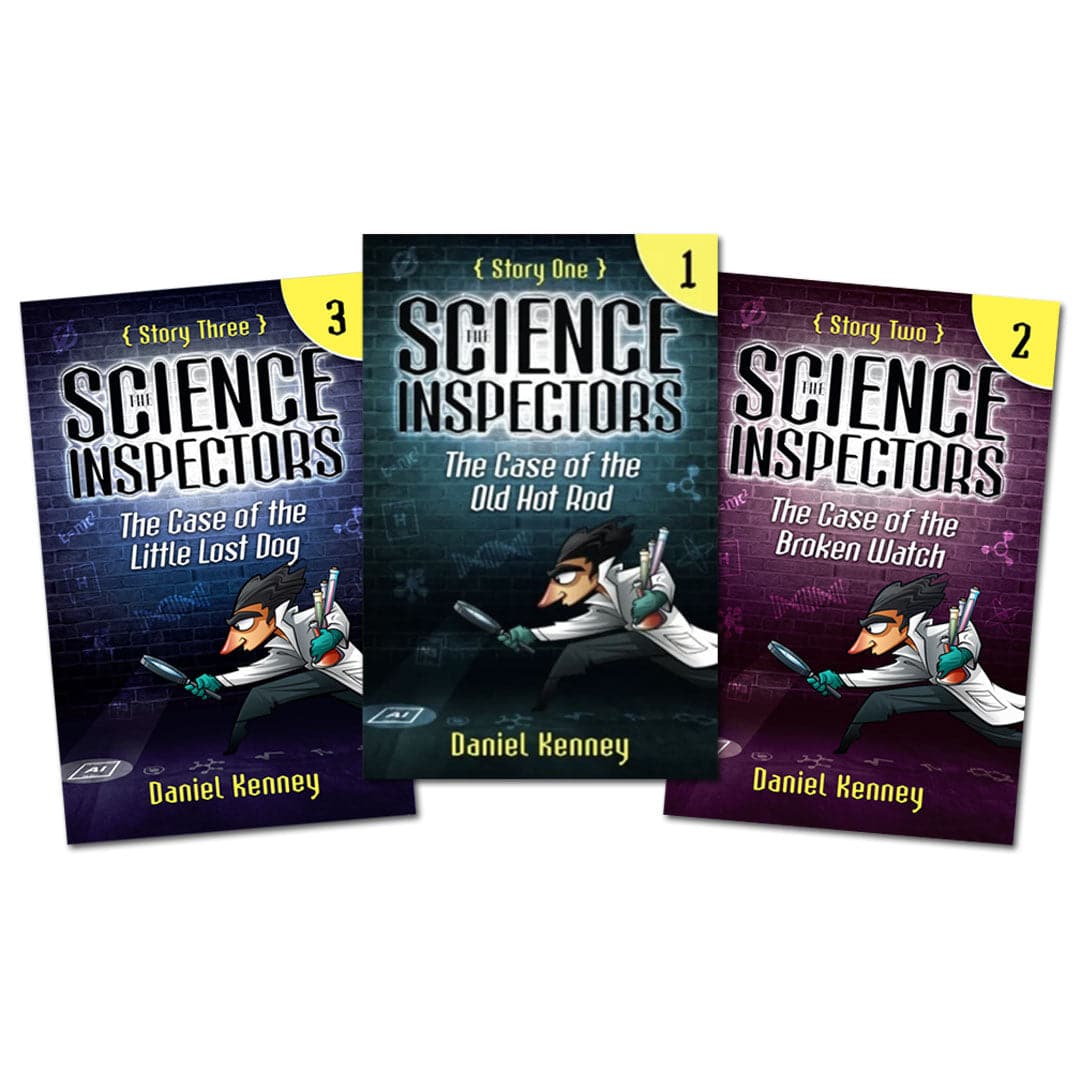
The Science Inspectors: Solve the Case With the Scientific Method

Best for: curious kids, future scientists, and fans of mystery
Angela Moretti, Howie Doohan, Norah Sloan, and Jamie McDermott are mystery-obsessed kids with "a method to their madness," and it's scientific.
The Science Inspectors introduces the scientific method through interesting cases like The Case of the Old Hot Rod, The Case of the Broken Watch, and The Case of the Little Lost Dog.
Why homeschoolers love it: It reinforces the observe, question, test, conclude approach your child meets in any homeschool science curriculum, wrapped in a story they'll want to finish. At about 165 pages and 610–670L, it works best as a stretch read or read-aloud for 3rd graders (Bakken lists it for ages 9–12).
Homeschool tip: Start a "Science Inspector notebook." Before each chapter, your child writes a prediction. After it, they check whether they were right.
Want Even More Bakken Books?
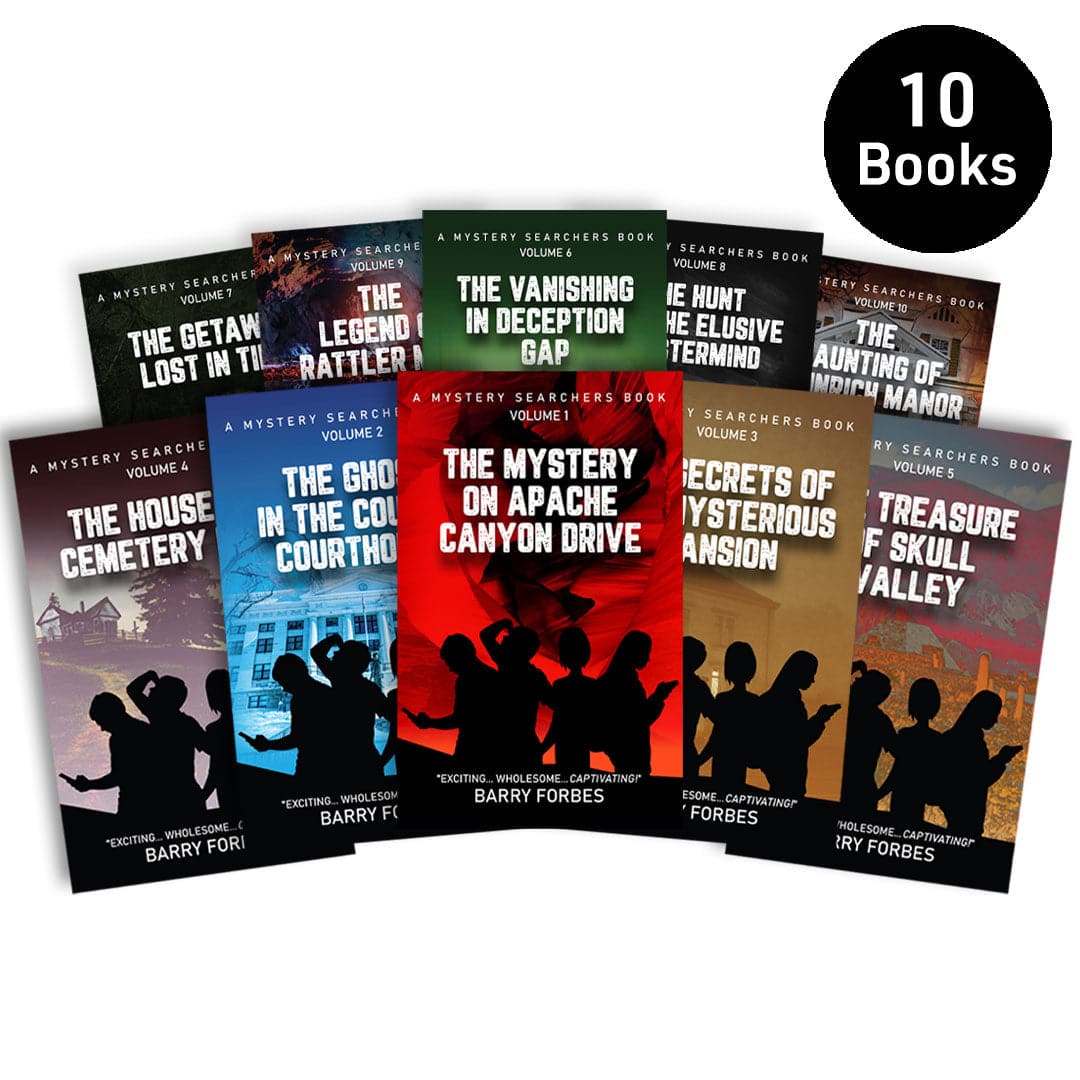
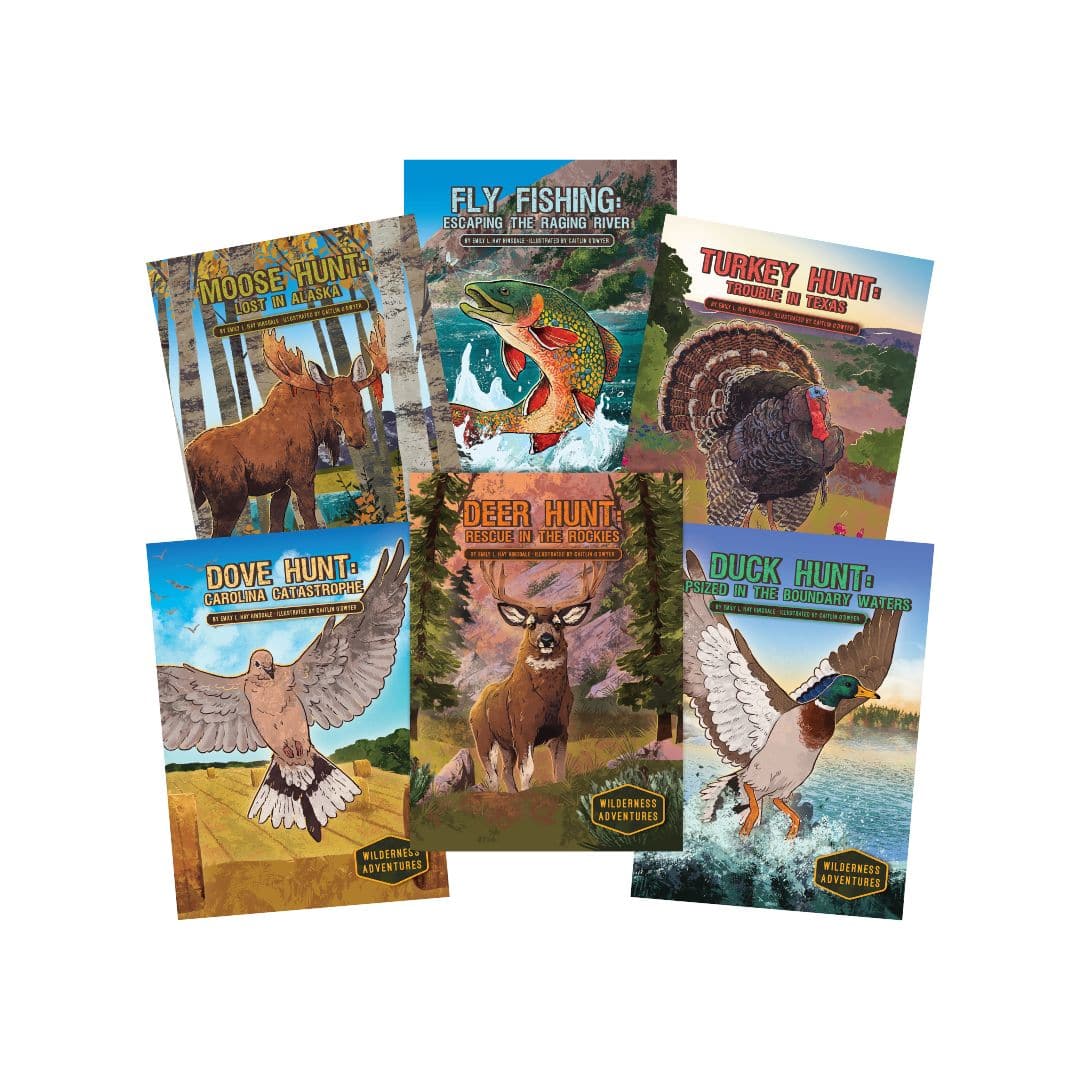
Once your reader finishes these, keep the momentum going with The Mystery Searchers, The History Mystery Kids (great for homeschool history), Rescue From, or Wilderness Adventures.

Not sure where to start? Bakken's book-finder quiz matches kids to a series in under a minute!
More Popular Books for Your 3rd Grade Homeschool Reading List
These favorites round out a well-balanced third grade book list.
Classic Read-Alouds and Chapter Books
-
Charlotte's Web by E.B. White: A timeless story of friendship and loyalty, and a top 3rd grade read-aloud.
-
The Boxcar Children by Gertrude Chandler Warner: Four siblings, one cozy boxcar, and endless mysteries.
-
Little House in the Big Woods by Laura Ingalls Wilder: A good pairing for homeschool history and pioneer life.
-
Stuart Little by E.B. White: Quirky, charming, and full of fun vocabulary.
-
Sarah, Plain and Tall by Patricia MacLachlan: A short, heartfelt novel about family and change.
Adventure and Fantasy
-
Magic Tree House by Mary Pope Osborne: The gold standard of chapter book series for 3rd graders, with built-in history and science.

-
The Wild Robot by Peter Brown: A robot, a wilderness, and big conversations about nature.

-
Fantastic Mr. Fox by Roald Dahl: Clever, funny, and short.

-
Pippi Longstocking by Astrid Lindgren: Pure joy for kids who love a spunky heroine.

Mystery and Humor
-
Encyclopedia Brown by Donald J. Sobol: Short cases that build logic and inference skills.

-
Nate the Great by Marjorie Weinman Sharmat: A gentle detective series for newer readers.

-
Judy Moody by Megan McDonald: Sassy, hilarious, and great for reluctant readers.

-
Ramona Quimby, Age 8 by Beverly Cleary: Relatable school-and-family stories that make kids laugh out loud.

Nonfiction and History
-
Who Was...? series: Easy biographies of famous people.

-
National Geographic Kids Readers: Stunning photos and fascinating facts.

-
The Magic School Bus by Joanna Cole: Science adventures with a wacky teacher.

How to Build a Homeschool Reading Routine That Sticks
A great list only works if they actually read it.
Here's how to make it happen:
1. Set a daily reading time.
Twenty to thirty minutes is plenty. Anchor it to something, like after lunch or before bed.
2. Mix read-aloud and independent reading.
Read the tougher classics to your child, and let them tackle series like Space Bound or The Campground Kids on their own.
3. Talk about the book.
Ask: What do you think happens next? Why did the character do that? What would you have done?
4. Connect books to your curriculum.
For example, use Science Inspectors and Space Bound for science, Math Inspectors for math, and The Campground Kids for geography and nature study. That's literature-based homeschooling at its best!
5. Let them choose sometimes.
Kids who pick their own books read more. Period.
6. Keep a reading log.
It doubles as homeschool record-keeping.
>>> Download our FREE homeschool reading log!
Skills Your 3rd Grader Builds Through Reading
-
Reading fluency: smoother, faster, more expressive reading
-
Vocabulary growth: new words in context beat flashcards every time
-
Reading comprehension: predicting, inferring, and retelling
-
Critical thinking: solving mysteries and weighing choices
-
Writing skills: strong readers become strong writers
-
STEM confidence: stories make math and science feel less scary
Ready to Build Your 3rd Grade Reading List?
The best 3rd grade homeschool reading list is one your child can't wait to open. Start with a Bakken Books series that matches their interests, add a few classics, and watch your reader soar!
Take our 60-second quiz or browse chapter books for ages 8–12, and give your third grader a library of page-turning stories!
Frequently Asked Questions About 3rd Grade Homeschool Reading
What reading level is 3rd grade?
Third graders typically read between about 520L and 820L on the Lexile scale. A motivated reader can stretch higher, so let interest guide you.
What are good STEM books for 3rd grade homeschool?
The Math Inspectors, The Science Inspectors, and Space Bound from Bakken Books are excellent options. The Magic School Bus and National Geographic Kids Readers are great additions.
How many books should a 3rd grader read?
There's no magic number. Many homeschool families aim for one chapter book every one to two weeks, plus read-alouds, with 20 to 30 minutes of daily reading.
How do I get my 3rd grader to love reading?
Start with their interests, whether that's space, camping, math, sports, or something else. Let them choose books, read together daily, and pair stories with hands-on activities. Series books work especially well, since finishing one makes kids want the next.
Can reading replace a homeschool language arts curriculum?
For many families, a literature-based approach works well when combined with copywork, narration, and writing prompts. Many parents pair great books with a light grammar and spelling program.