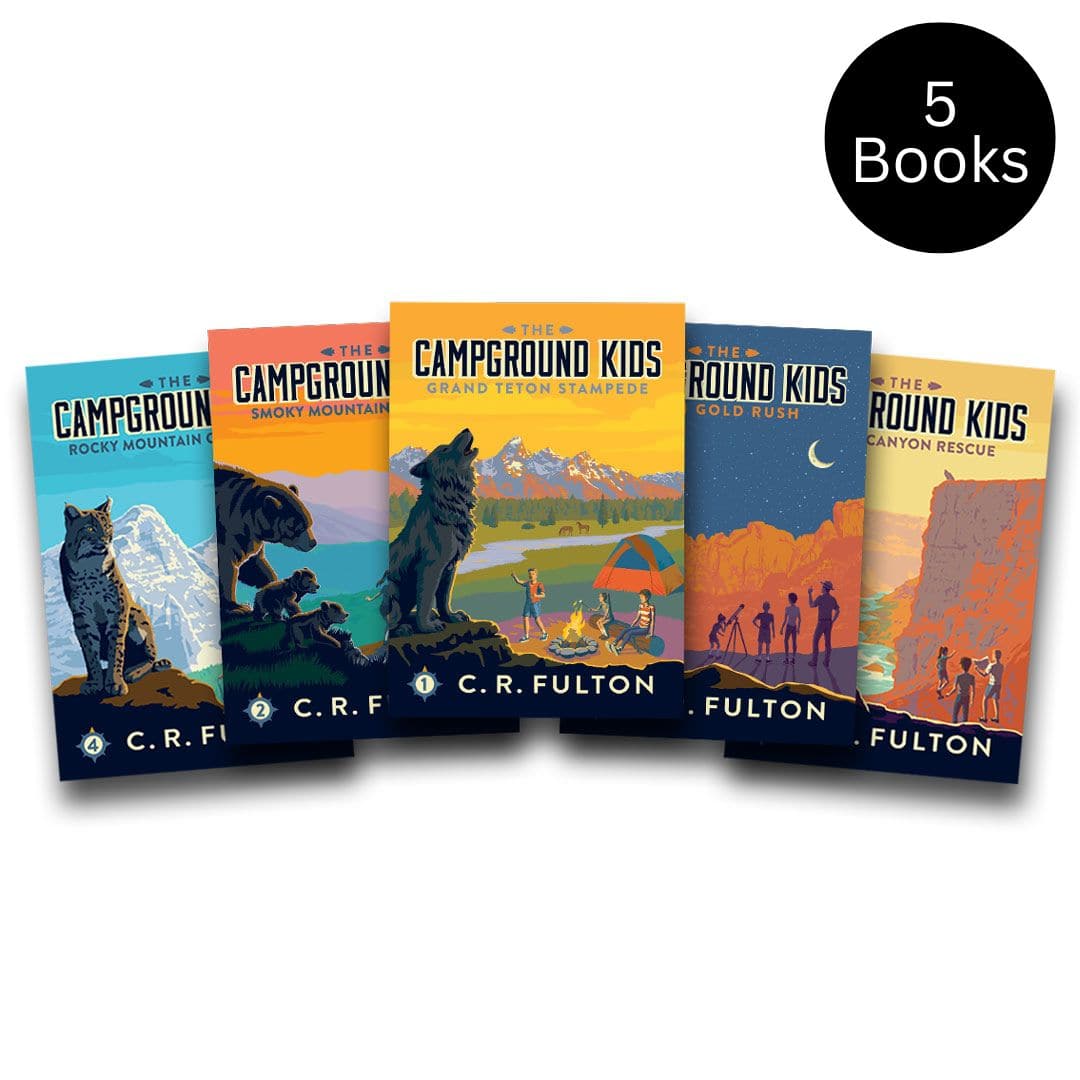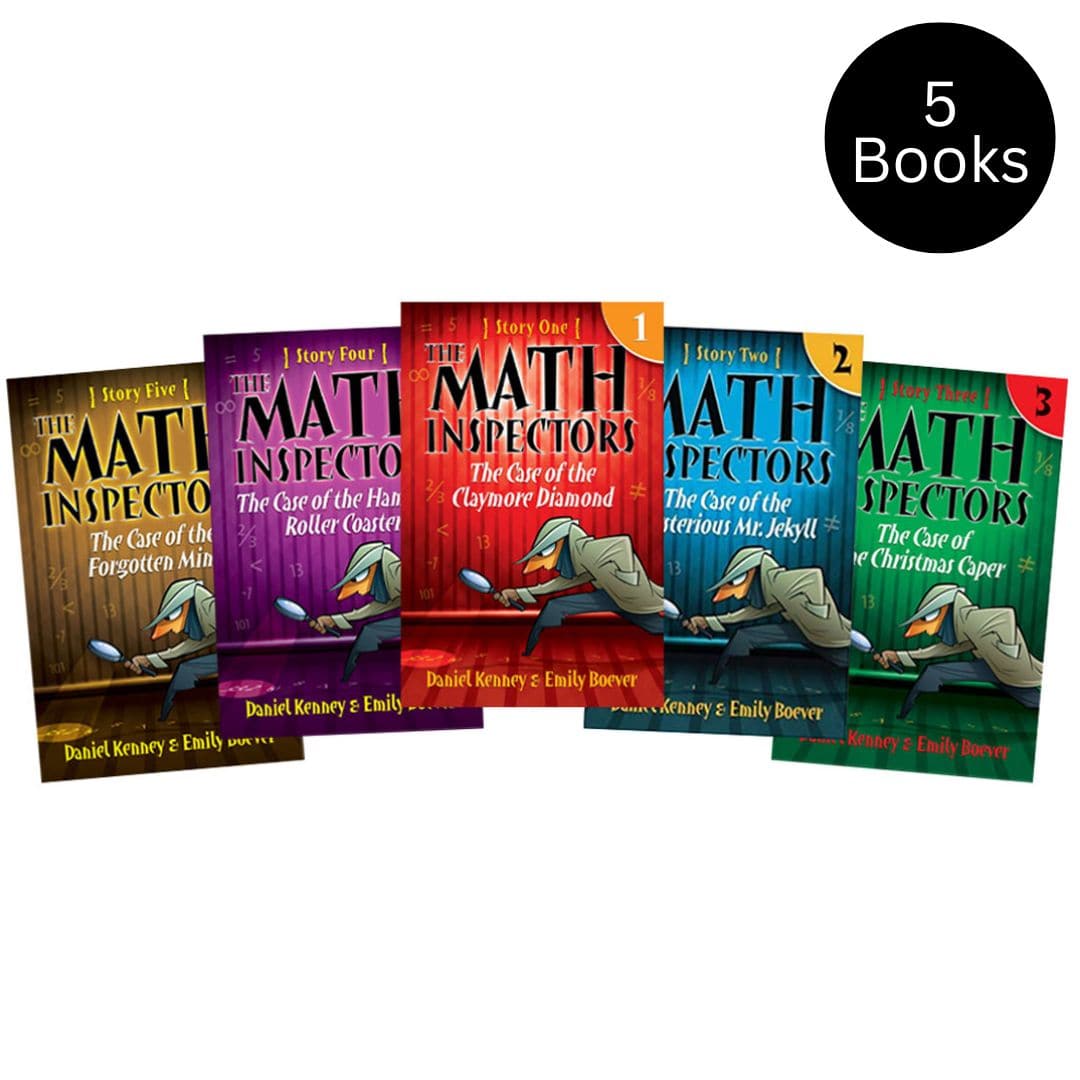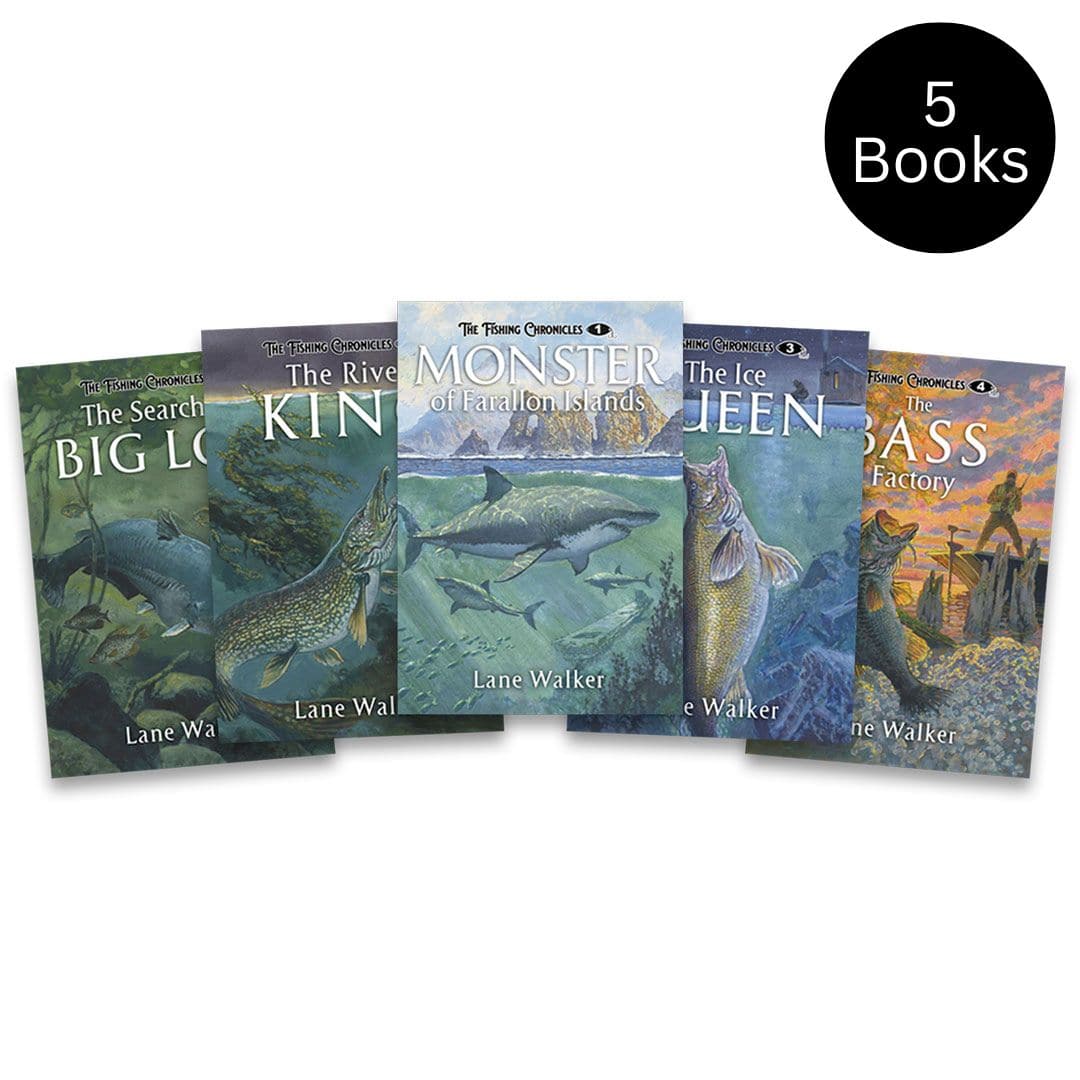
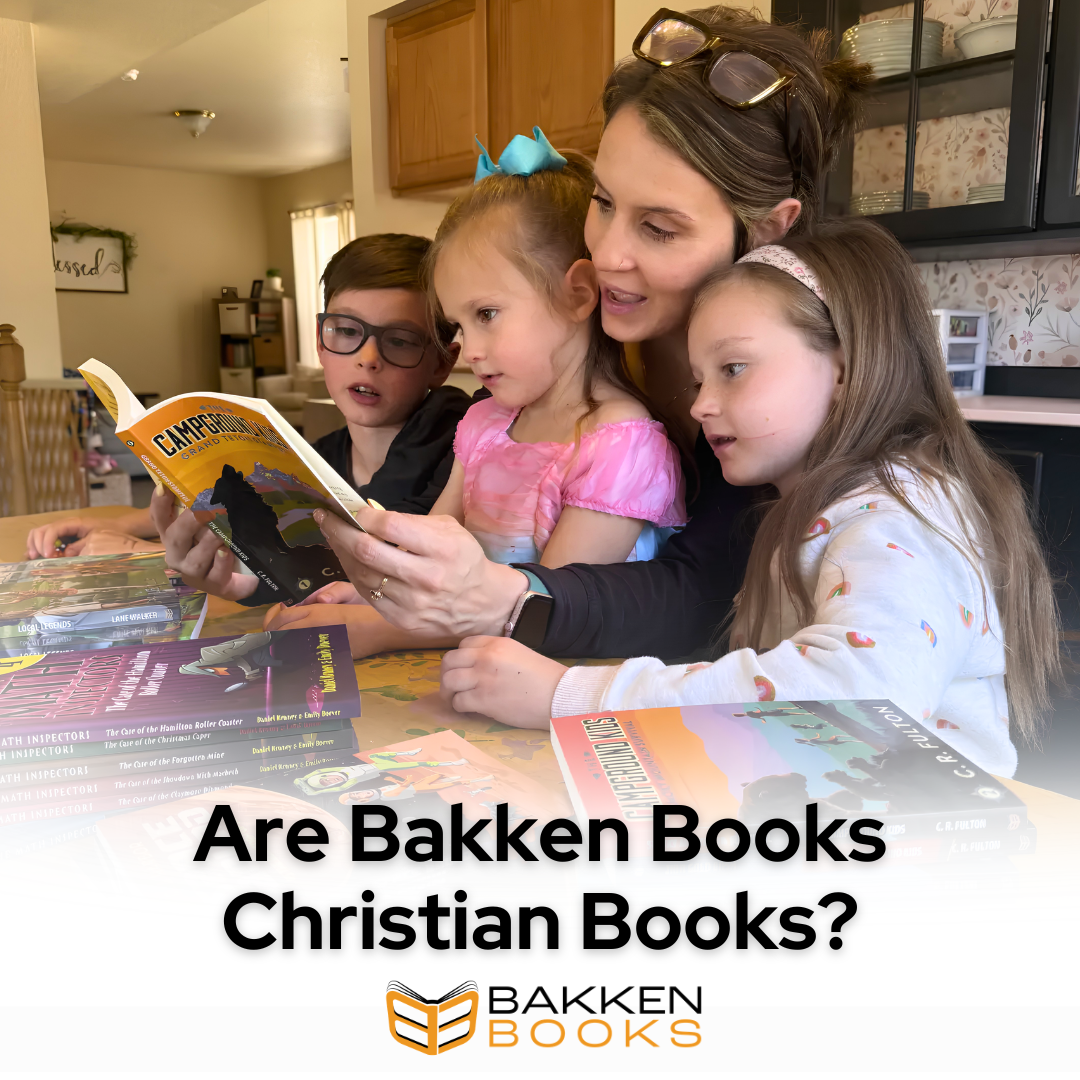
If you’re exploring chapter books for kids, chances are you’ve come across Bakken Books and asked an important question:
Are Bakken Books Christian books?
It’s one of the most common questions parents, teachers, and homeschool families ask when choosing reading material for children. And it makes sense—today’s families are more intentional than ever about what their kids read, what messages are included in stories, and what values are being reinforced.
The simple answer is no, Bakken Books are not Christian books.
But that answer only tells part of the story. While Bakken Books are not faith-based or religious curriculum books, they do consistently reflect positive, character-building values that overlap with many of the lessons families care about, regardless of religious background.
This guide will break down exactly what that means, what parents can expect, and why these books are often chosen in both homes and classrooms.
What Bakken Books Actually Are (and What They’re Not)
To understand this question clearly, it helps to start with what Bakken Books are designed to be.
Bakken Books are children’s chapter books created for middle-grade readers, typically ages 7–12. They are written to be engaging, accessible, and fun while also helping kids grow as readers and thinkers.
Across the series, the books focus on:
-
Adventure-driven storytelling
-
Relatable kid characters
-
School-life and real-world challenges
-
Problem-solving and teamwork
-
Age-appropriate emotional development
What you will not find in Bakken Books are religious teachings, scripture-based lessons, or explicitly Christian messaging. They are not designed as devotionals, Bible story adaptations, or faith curriculum materials.
Instead, they are created to be widely accessible to families and educators across different backgrounds and belief systems.
That distinction is important: Bakken Books are values-based children’s literature, not religious literature.
Why People Assume Bakken Books Might Be Christian
Even though they are not faith-based, many parents still ask the question. That’s usually because of the tone and content of the stories.
When a book is clean, positive, and focused on good character, it can naturally feel aligned with Christian values even if it is not explicitly tied to Christianity.
There are a few reasons this perception happens:
The books emphasize strong moral behavior in a very natural way. Characters are often faced with decisions where they must choose honesty, kindness, responsibility, or teamwork. Those themes overlap with values taught in many Christian homes, but they are also universal human values found across cultures.
The stories avoid content that many parents consider inappropriate for children. There’s no graphic violence, no mature themes, and no language or situations that feel out of place for younger readers. That “clean reading” experience can sometimes be associated with faith-based publishing, even when it isn’t.
In a crowded children’s book market, truly wholesome middle-grade series are less common than they used to be. So when families find a series that feels safe, engaging, and positive, it’s natural to wonder if it comes from a religious publisher.
But in the case of Bakken Books, the wholesomeness is intentional but not religiously framed.
The Values Behind Bakken Books: Universal, Not Religious
While Bakken Books are not Christian books, they do reflect something just as important to parents and teachers: strong character values.
Across their stories, readers will consistently see themes such as:
-
Integrity: characters learning to do the right thing even when it’s difficult.
-
Perseverance: pushing through challenges instead of giving up.
-
Friendship: learning how to work through disagreements and build trust.
-
Responsibility: understanding the impact of choices.
-
Teamwork: solving problems together instead of alone.
-
Curiosity and growth: encouraging kids to keep learning and exploring.
These ideas are not tied to one belief system. Instead, they reflect widely shared principles that show up in homes, schools, sports teams, and communities everywhere.
That’s part of what makes Bakken Books so flexible in how they are used.
A classroom teacher can use them for reading comprehension and discussion. A parent can use them for independent reading. A library can confidently recommend them to a wide audience.
Wholesome Content Without a Religious Label
It’s worth pausing on the word “wholesome,” because it often gets misunderstood.
Wholesome does not automatically mean religious. It simply means content that is appropriate, positive, and safe for the intended audience.
In the case of Bakken Books, “wholesome” means:
-
Stories that kids can read independently
-
Content that avoids mature or inappropriate themes
-
Characters who learn and grow through experience
-
A tone that is encouraging rather than cynical or harsh
This is especially important for middle-grade readers, who are in a transitional stage between early chapter books and more complex young adult literature.
How Teachers & Parents Use Bakken Books in Real Life
One of the reasons Bakken Books continue to grow in popularity is because they work well in both home and classroom environments.
Teachers appreciate that the books are easy to integrate into reading groups, literacy centers, and independent reading assignments. Because the content is clean and accessible, teachers don’t need to filter for sensitive material or adjust lessons for controversial topics.
Instead, they can focus on:
-
Reading comprehension skills
-
Character analysis
-
Writing prompts based on story events
-
Group discussions about decision-making
Parents appreciate something slightly different.
At home, these books often become the kind of series kids pick up on their own. That independence matters… It builds reading confidence and reduces the “I don’t like reading” struggle many families face.
When a child actually wants to read, consistency becomes much easier. And that’s where our books often shine.
What Kids Experience When Reading Bakken Books
From a child’s perspective, none of the Christian vs. non-Christian labeling really matters. What matters is whether the story is engaging.
Bakken Books focus heavily on storytelling that keeps kids turning pages. That usually includes:
-
Adventure-based plots
-
Relatable school or group dynamics
-
Challenges that feel real to a child’s world
-
Characters who make mistakes and learn from them
As kids move through the story, they naturally encounter moments where characters must make decisions, solve problems, or work through conflict. These moments are where much of the learning happens.
Without being instructional or preachy, the books help kids think about:
What would I do in this situation?
How do my choices affect others?
What happens when I don’t give up?
That kind of storytelling is powerful because it doesn’t interrupt the fun—it is the fun.
A Helpful Way to Think About Bakken Books
If you’re trying to decide whether these books are right for your kiddo or students, here’s a simple way to frame it:
These are not books that teach what to believe.
They are books that help kids learn how to think, grow, and read confidently.
And for many families and educators, that’s exactly what they’re looking for.