Table of Contents
- When Is a Child Ready for Chapter Books?
- What Makes a Great First Chapter Book?
- 8 Best First Chapter Book Series for Kids Moving Up From Picture Books
- How to Help Your Child Make the Jump
- Not Sure Which Series Fits Your Child?
- Frequently Asked Questions About First Chapter Books
Your child has outgrown the picture book shelf. They may be flying through their picture books, or asking for "a real book with chapters." That's a great sign, and it can also feel like a big jump for them.
Picture books carry the story with art. Chapter books ask kids to hold a plot in their head over several days and pictures every few pages instead of every page.
This guide covers how to tell when your child is ready, what makes a good first chapter book, and eight series that make the leap feel fun instead of frustrating!
When Is a Child Ready for Chapter Books?
There's no single right age. Most kids move from picture books to early chapter books between ages 6 and 8, or around first to third grade. Reading level matters more than age.
Your child is probably ready for chapter books if they…
-
Read picture books smoothly and with confidence
-
Ask for longer stories or "bigger kid" books
-
Follow a story across several sittings and remember what happened
-
Want to know what happens next in a series
-
Enjoy being read to from chapter books at bedtime
Kids who still struggle with decoding can start with a chapter book as a read-aloud, then move to reading it themselves. Both count.
What Makes a Great First Chapter Book?
Look for these five features:
1. Short length. Under about 150 pages helps kids feel the win of finishing.
2. Short, fast chapters. Five to ten pages per chapter gives natural stopping points.
3. Illustrations. Pictures support comprehension and ease the shift away from picture books.
4. A series. If a child loves book one, book two is already waiting.
5. A topic they already care about. Interest is the strongest motivator for a new reader. Space, sports, camping, and funny characters all work.
That last point is the idea behind Bakken Books, which builds stories around what kids already love.
8 Best First Chapter Book Series for Kids Moving Up From Picture Books
1. Danica Panica: Best for Funny, Relatable Stories

Ages: 6-9 | Grades: 1-4 | Length: about 64 pages per book
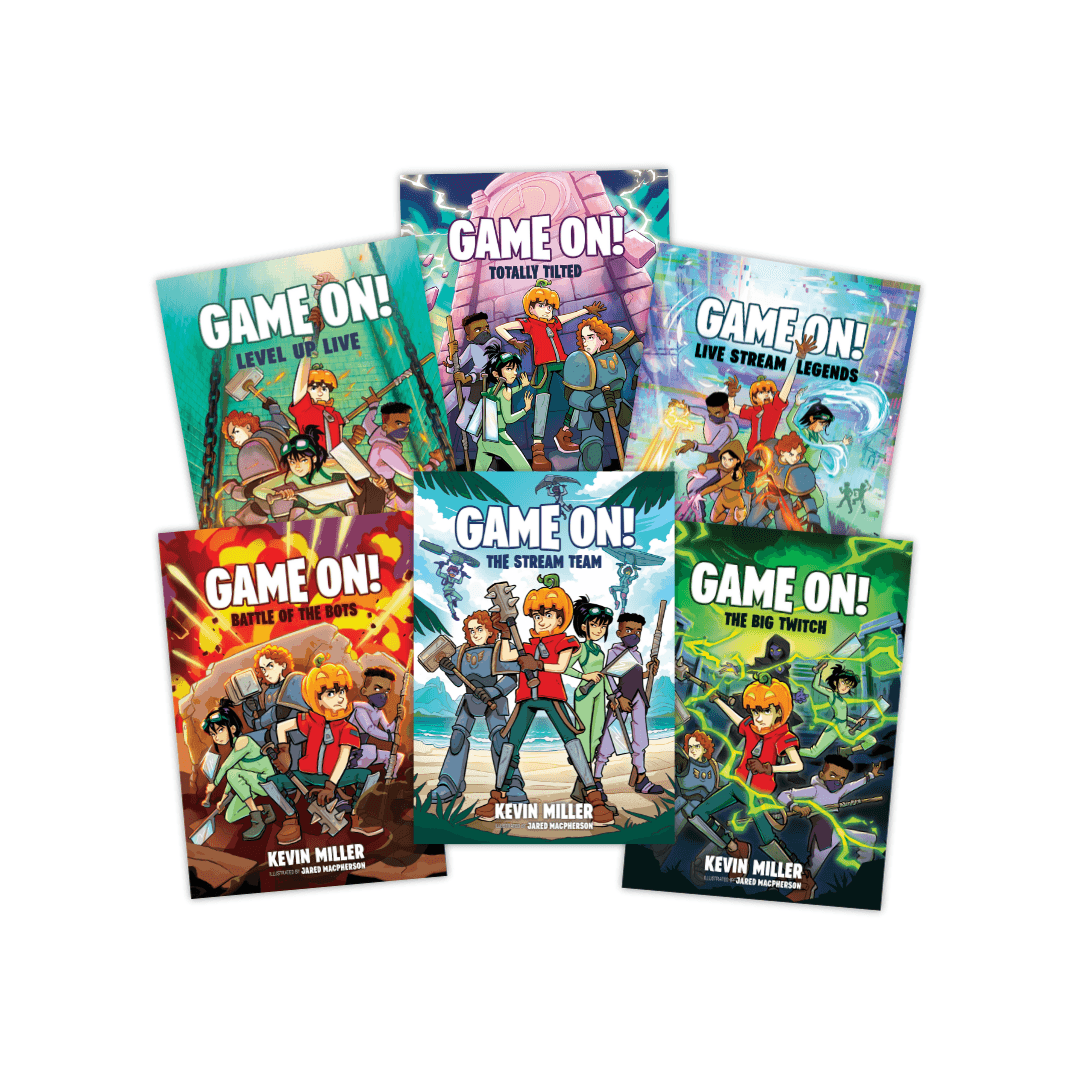
Danica Panica has a long list of fears, from thunderstorms and needles to spiders and "the thing under the bed." She has her loyal Yorkshire terrier, Clark, to help her face them. Each short, funny book follows her as she tackles one fear at a time.
At about 64 pages, it's one of the shortest ways to finish a "real" book. Author Kevin Miller wrote it with his own daughter's anxiety in mind, so the humor never mocks Danica. That makes it a good read-aloud for kids who feel nervous about the first day of school or a doctor's visit.
Here is the series lineup:
- Danica Panica and the Snapping, Snarling Dog
- Danica Panica and the Big Fat Hen
- Danica Panica and the First Day of School
- Danica Panica and the Thunderstorm of Doom
- Danica Panica and the Sharp, Scary Needle
- Danica Panica and the Thing Under the Bed
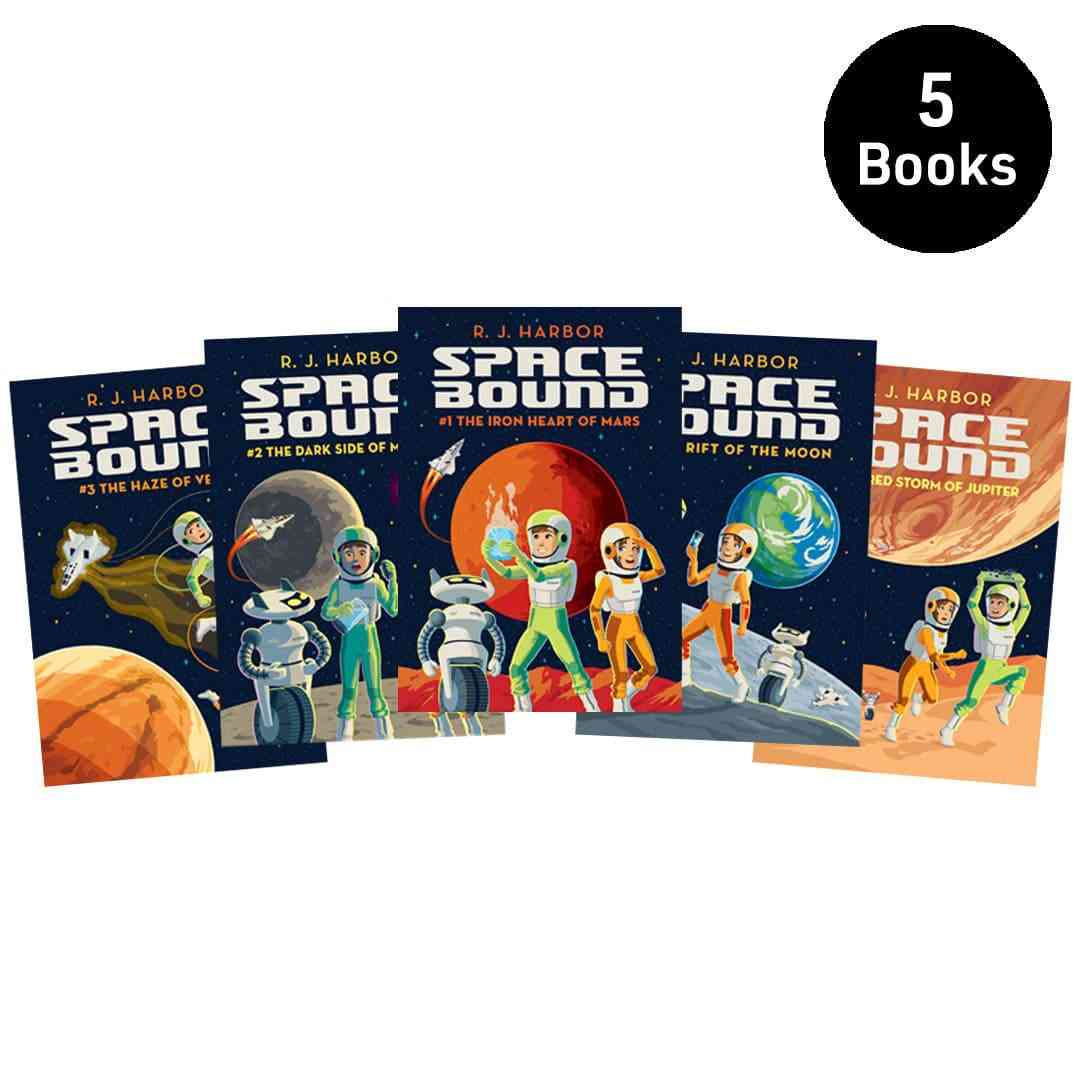
2. Space Bound: Best for Kids Who Love Space

Ages: 7-12 | Grades: 1-4 | Length: about 112 pages | Lexile: 480L-540L
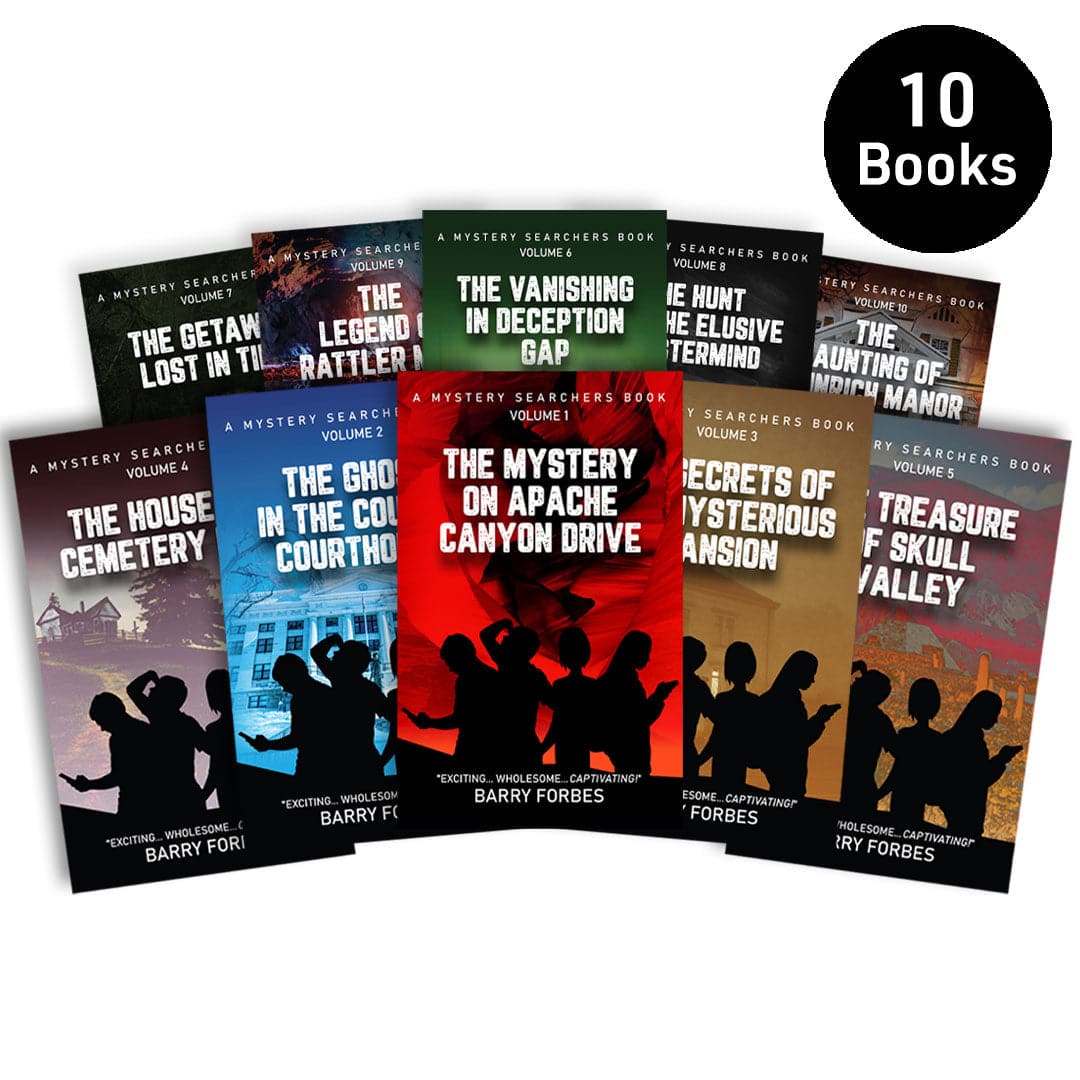
Monty, his sister Ivory, and their robot Echo are playing in a pretend cardboard spaceship when they discover a real rocket hidden in the woods. A countdown starts by accident, and they end up on Mars. The five books take them from The Iron Heart of Mars to The Red Storm of Jupiter as they gather elements to make super fuel.
Here is the series lineup:
- The Iron Heart of Mars
- The Dark Side of Mercury
- The Haze of Venus
- The Rift of the Moon
- The Red Storm of Jupiter
Bakken Books labels it an "easier read," and its Lexile range fits kids who are newly independent. It's a good pick for a child who is excited about space but hasn't found a chapter book yet. One parent reported their 8-year-old finished the whole series in a week.
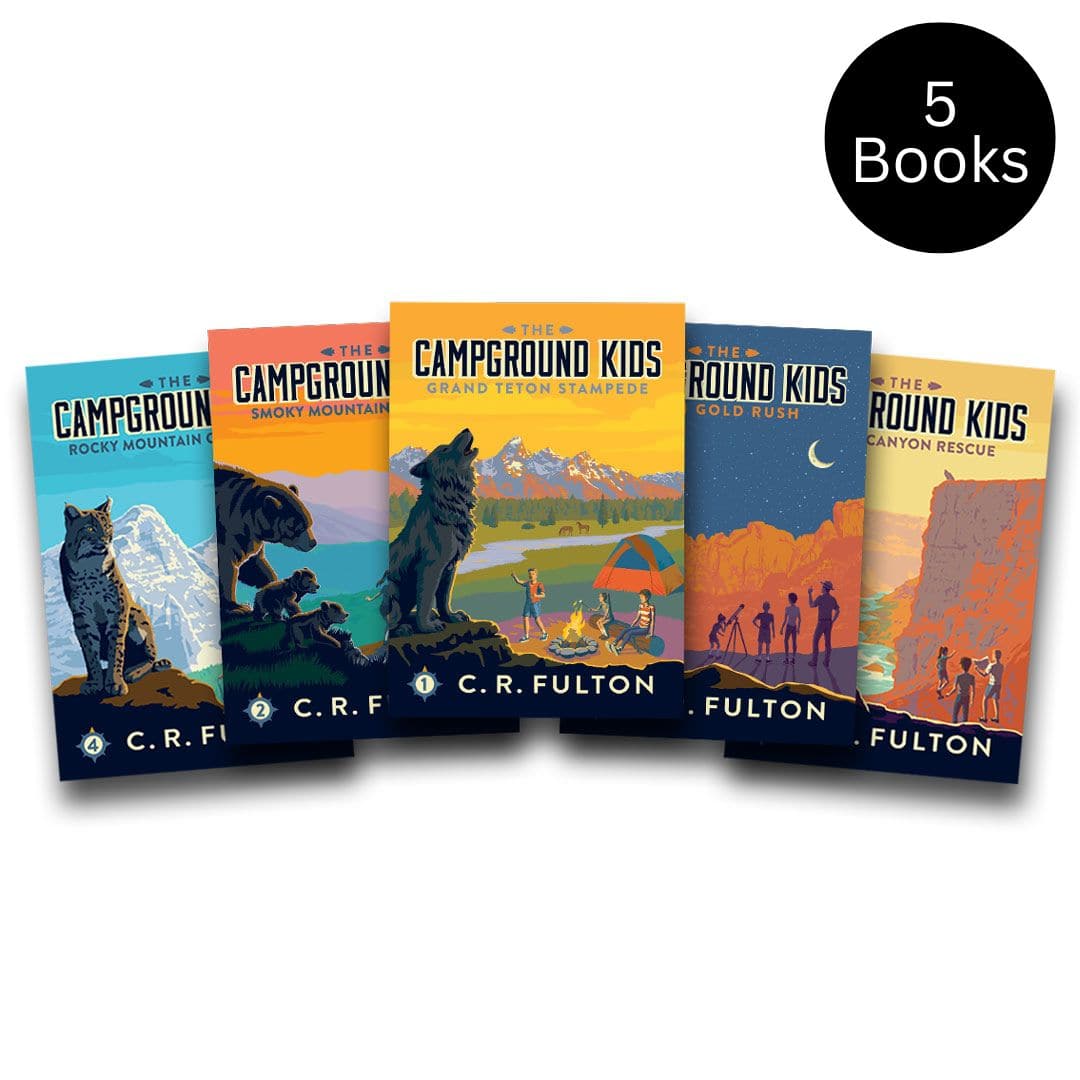
3. The Campground Kids: Best for Adventure and Mystery

Ages: 8-12 | Grades: 3-7 | Length: about 160 pages | Lexile: 630L-720L
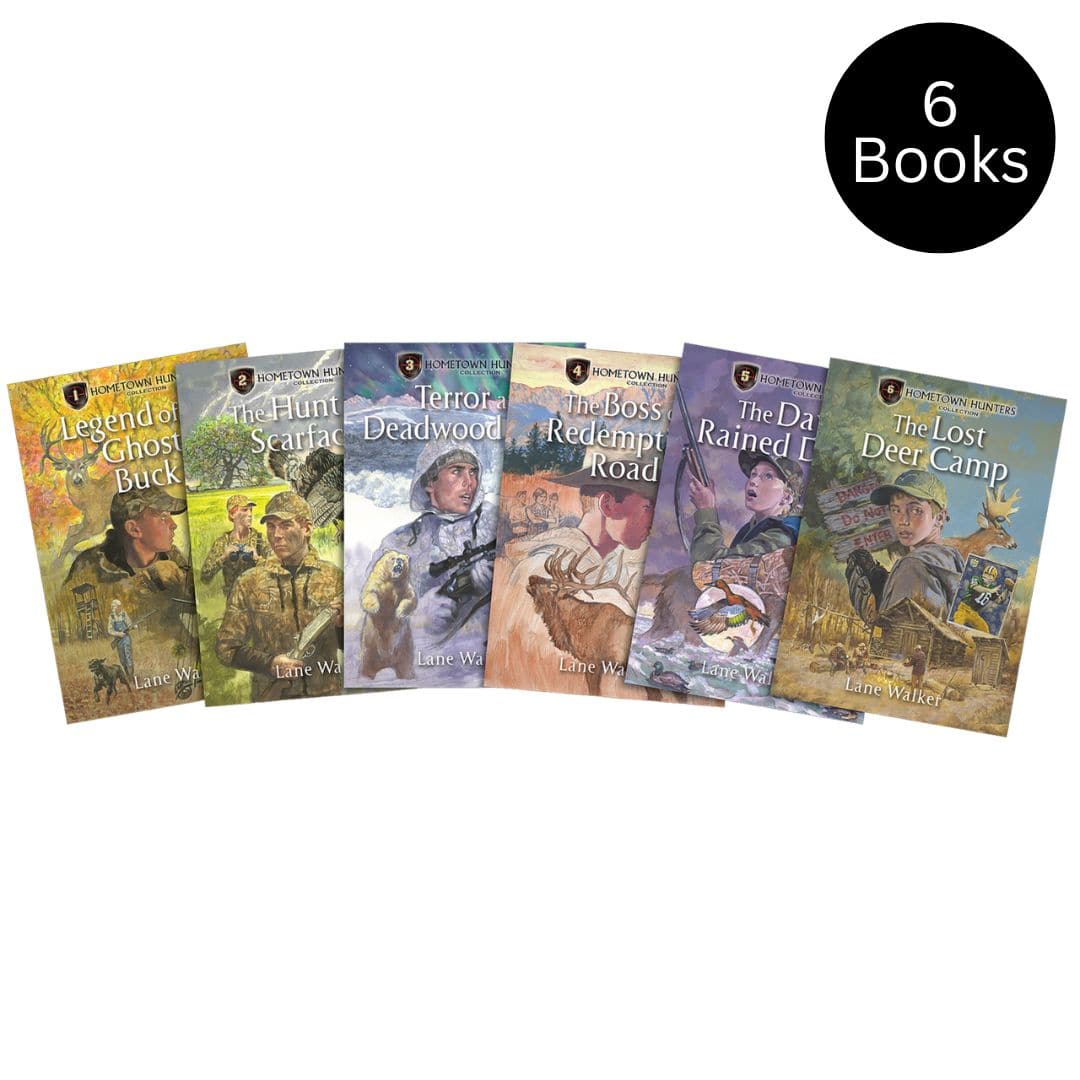
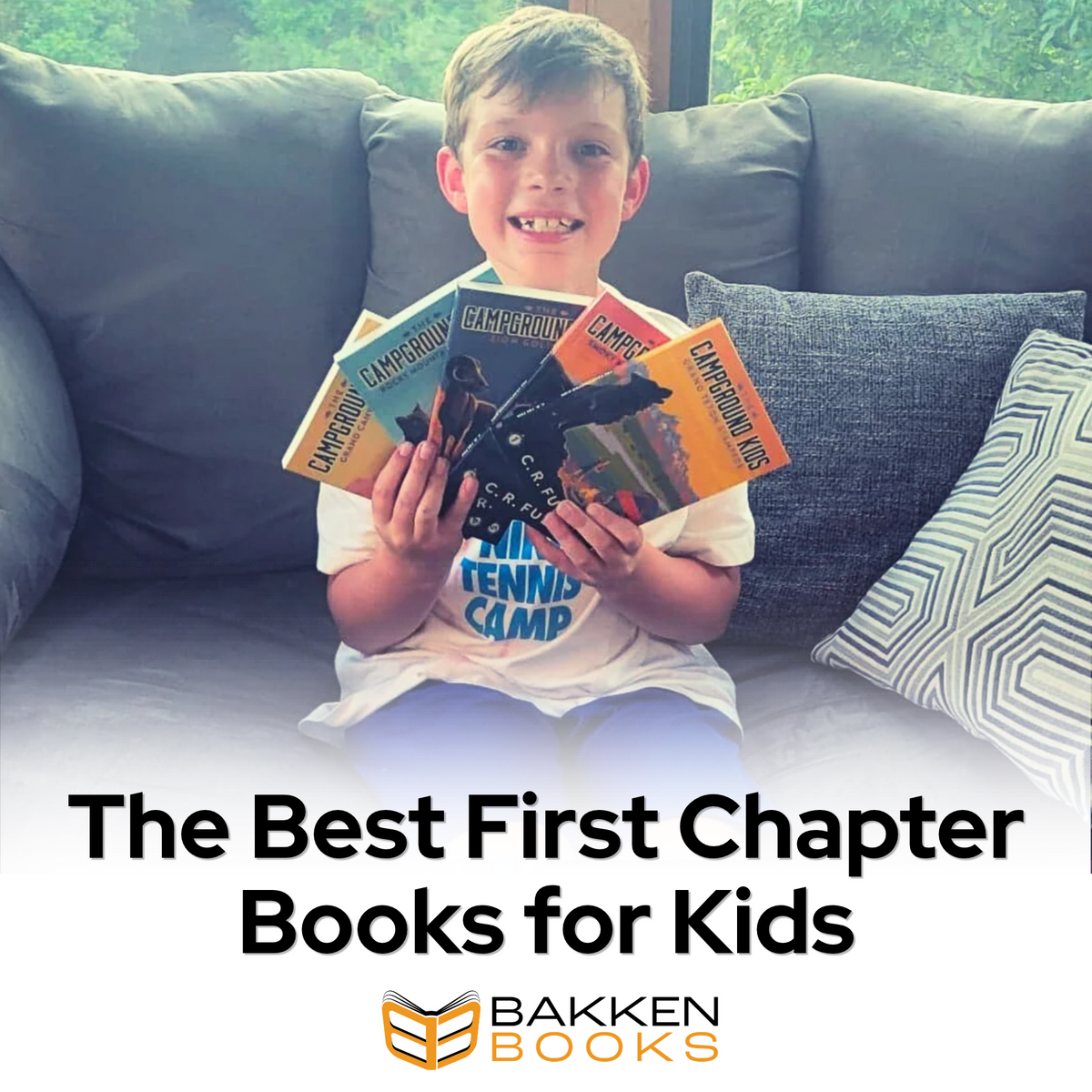
Cousins Isaiah, Sadie, and Ethan explore America's national parks, Great Lakes, and lost cities, all while getting wrapped up in adventure.
Here is the series lineup to date:
This one is a bit longer, so it works well as the second or third chapter series. When your child is ready for more plot and longer chapters, it's a natural step up. Each book also touches on themes like teamwork, honesty, and resilience.
4. Local Legends: Best for Young Athletes

Sports covered: baseball, basketball, football, golf, soccer, hockey
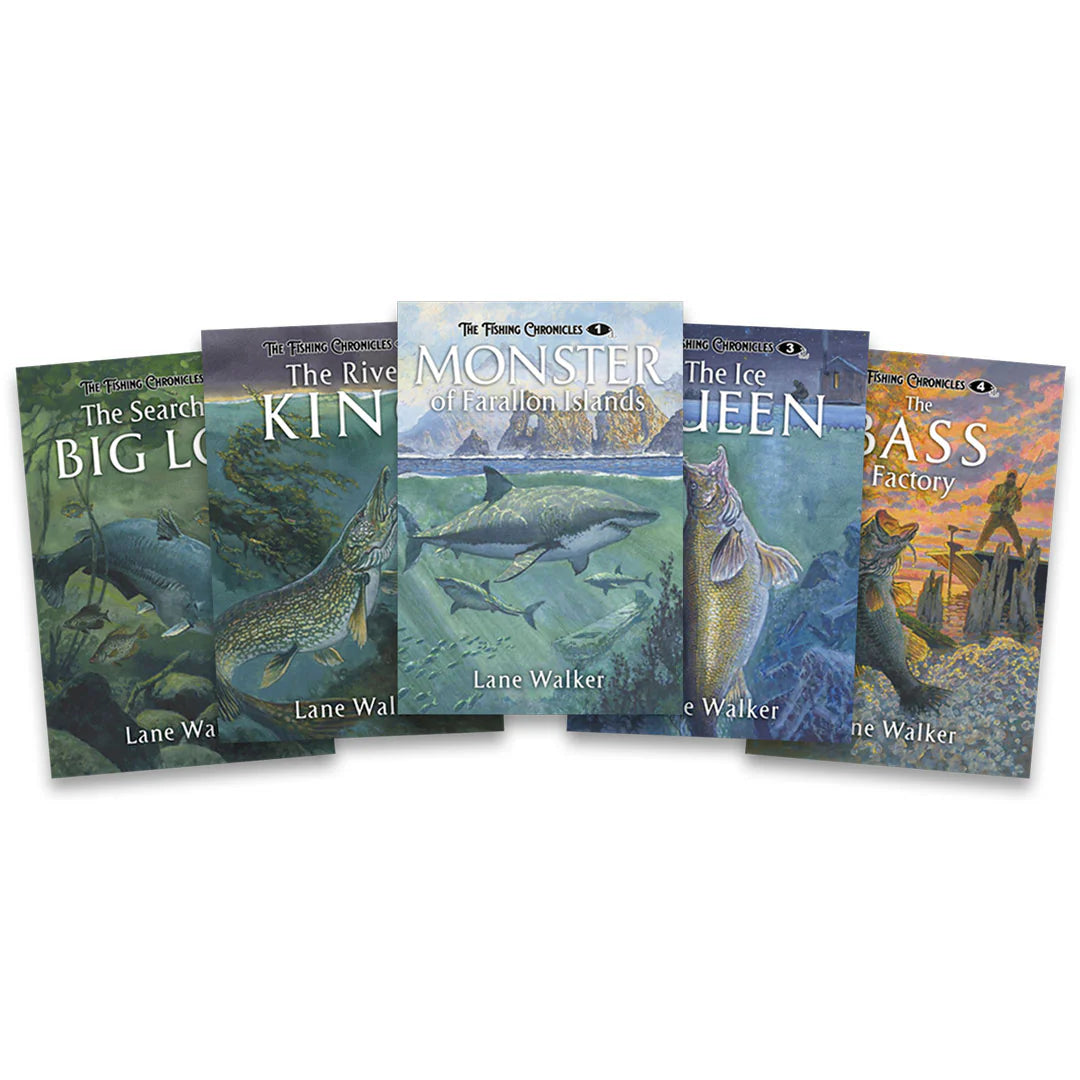
This series pairs fast-moving sports action with lessons about grit, leadership, and confidence. Each book focuses on a different sport, so one set can suit a child who plays several or hasn't picked a favorite yet.
Here is the series lineup:
Sports fans often say they don't like reading. A story about the game they play every weekend can change that.
5. Magic Tree House by Mary Pope Osborne: Great Classic Series

In this long-running series, siblings Jack and Annie travel through time and space from a magical tree house.
The chapters are short and the pacing is quick. Many are standalone adventures, and each one teaches a bit of history or science along the way. Libraries and teachers have used it for years to build reading stamina.
6. Mercy Watson by Kate DiCamillo: Great Read-Aloud Humor

Mercy Watson is a pig who loves hot buttered toast and lives with the Watsons. Her adventures are funny and full of bright illustrations by Chris Van Dusen, so it feels close to a picture book.
It's a good bridge for kids who aren't sure they're ready to let go of pictures.
7. Nate the Great by Marjorie Weinman Sharmat: Great First Mystery

Nate the Great is a young detective who solves neighborhood cases with short sentences and clear clues. It's a good introduction to mystery for kids who like puzzles and "whodunit" stories.
8. Junie B. Jones by Barbara Park: Best for Funny, Chatty Voice

Junie B. is a feisty kindergartner with strong opinions and a very particular way of talking. The humor and short chapters keep reluctant readers turning pages.
Some parents like to use it as a read-aloud first.
How to Help Your Child Make the Jump
-
Read the first chapter together. A strong start builds momentum.
-
Let them choose. Interest beats reading level for motivation.
-
Keep reading aloud. Reading chapter books to your child boosts vocabulary even after they can read alone.
-
Start with a series. A set removes the "what do I read next?" problem and keeps the habit going.
-
Don't rush. It's fine to mix picture books and chapter books for a while.
-
Celebrate finishing. Finishing a first chapter book is a real milestone.
Not Sure Which Series Fits Your Child?
Every child is different. A kid who loves rockets needs different books from one who loves soccer or giggles at a funny dog.
Take our FREE Bakken Books interest-based quiz. Answer three quick questions about what your child already loves, and you'll get matched with the right series in under 60 seconds.
Frequently Asked Questions About First Chapter Books
What age should a child start reading chapter books?
Most children are ready between ages 6 and 8, usually in first to third grade. Readiness depends on reading skill and interest more than age. Some kids start earlier with read-alouds, and others take longer. Both are normal.
What is the difference between a picture book and a chapter book?
A picture book tells its story mostly through illustrations, usually in 32 pages or fewer. A chapter book tells a longer story in text divided into chapters, with fewer pictures. Early chapter books sit in between, with short chapters and illustrations throughout.
How long is a first chapter book?
Most first chapter books run about 50 to 150 pages.
My child only wants picture books. Should I push chapter books?
No. Offer chapter books alongside picture books instead of replacing them. Reading a chapter book aloud together is a low-pressure way to introduce the format. Kids move up when they're ready, and a series built around a favorite interest helps.
Should I read chapter books aloud to my child?
Yes. Reading aloud builds vocabulary and comprehension, and it lets kids enjoy stories above their independent reading level. Many families read a chapter at bedtime while the child also reads a simpler book alone.
Is it better to buy a whole series or a single book?
For most kids, a full series is the better start. It saves you from guessing, keeps your child reading from one book to the next, and usually costs less per book than buying individually.