Table of Contents
- Why Some Kids Don't Want to Read
- 15 Simple Strategies to Get Your Child to Read More
- How to Choose the Right Book: A Simple 3-Question Test
- Book Ideas by Type of Reader
- Common Mistakes That Make Kids Read Less
- Frequently Asked Questions About Kids Reading Habits
If you're searching for how to get your child to read more, you probably know the usual scene. There's a stack of books nobody touches, a tablet that always wins, and a child who says reading is "boring" before opening the cover.
Here's the good news: most reluctant readers aren't anti-reading. They're anti-friction. The book is too hard, too long, too babyish, or just not about anything they care about. Fix those problems and reading often takes care of itself.
This guide covers 15 practical strategies, a troubleshooting table for the most common complaints, and answers to the questions parents ask most. Every strategy works for kids of any age, though we focus especially on ages 8–12, the stretch where many kids decide whether reading is "for them."
Why Some Kids Don't Want to Read
Before the strategies, it helps to know what you're up against. When a child resists reading, the cause is usually one of these:
-
The book doesn't fit. It's the wrong topic, the wrong level, or the wrong length.
-
Reading feels like work. Homework and assigned reading can make books feel like a chore.
-
Screens are easier. Video games and videos deliver instant rewards. A book has to earn attention.
-
Confidence is low. A child who has struggled with reading may avoid it to avoid feeling "behind."
-
There's no routine. Reading only happens when there's "extra time," which means it rarely happens.
Notice that none of these mean your kid is a "non-reader." They're all fixable, and the strategies below target them one by one.
Quick Troubleshooting: What to Try When Your Child Says…
Here's the cheat sheet. Bookmark this one for the next time a reading standoff happens.
|
Problem |
What Parents Can Try |
|
"I don't like this book." |
Let them choose another. Abandoning a book that isn't working is fine, and letting them pick builds ownership. |
|
"It's too long." |
Try shorter chapters. Books with quick, fast-moving chapters make it easy to finish a section and feel progress. |
|
"It's boring." |
Match the book to an interest. Start with what they already love (sports, camping, space, mystery) and find stories built around it. |
|
"I only want comics." |
Use graphic novels as a bridge. Comics count as reading. Pair them with illustrated or fast-paced chapter books to step up gradually. |
|
"I don't know what to read." |
Give them 3 choices. A short, curated menu beats an overwhelming shelf. |
|
"Reading is too hard." |
Find an appropriate reading level. Books that feel easy and successful build confidence and fluency. |
|
"I'd rather play video games." |
Find books around gaming interests. Stories built around gaming let them stay in a world they love, on the page. |
15 Simple Strategies to Get Your Child to Read More
1. Let Your Child Choose
Choice is the single most powerful lever a parent has. When kids pick their own books, reading becomes their thing rather than your assignment.
But that doesn't mean giving up on quality. If they pick something you'd never choose, resist the urge to veto it. A book they finish beats a "better" book they abandon.
2. Start With Their Interests, Not Their Reading Goals
Ask what your child is into right now, and build the book list around that. A kid obsessed with fishing, racing, or space will tolerate a lot more effort for a book that feels like their world.
Bakken Books is built around exactly this idea. You can shop by interest, including gaming, fishing, sports, space, science, math, history, and mystery.
Not sure where to start? Our interest-based book quiz takes under a minute.
3. Offer Three Choices, Not Thirty
Too many options cause decision paralysis, and "I don't know what to read" is often really "I'm overwhelmed."
Pull three books and let your child pick one. You stay in control of the range, and they keep control of the decision.
4. Choose Shorter Chapters
Long, dense chapters can make a book feel like a marathon. Books with short, fast-paced chapters let kids hit a natural stopping point quickly, which delivers a small win every few pages.
Those small wins add up to reading momentum. If "it's too long" is your child's main complaint, chapter length is the first thing to check.
5. Match the Reading Level (Aim for Success, Not Struggle)
A book that's too hard is frustrating, and a frustrated reader stops reading.
Look for books your child can read with mostly smooth, confident decoding, so their energy only goes toward enjoying the story rather than fighting the words.
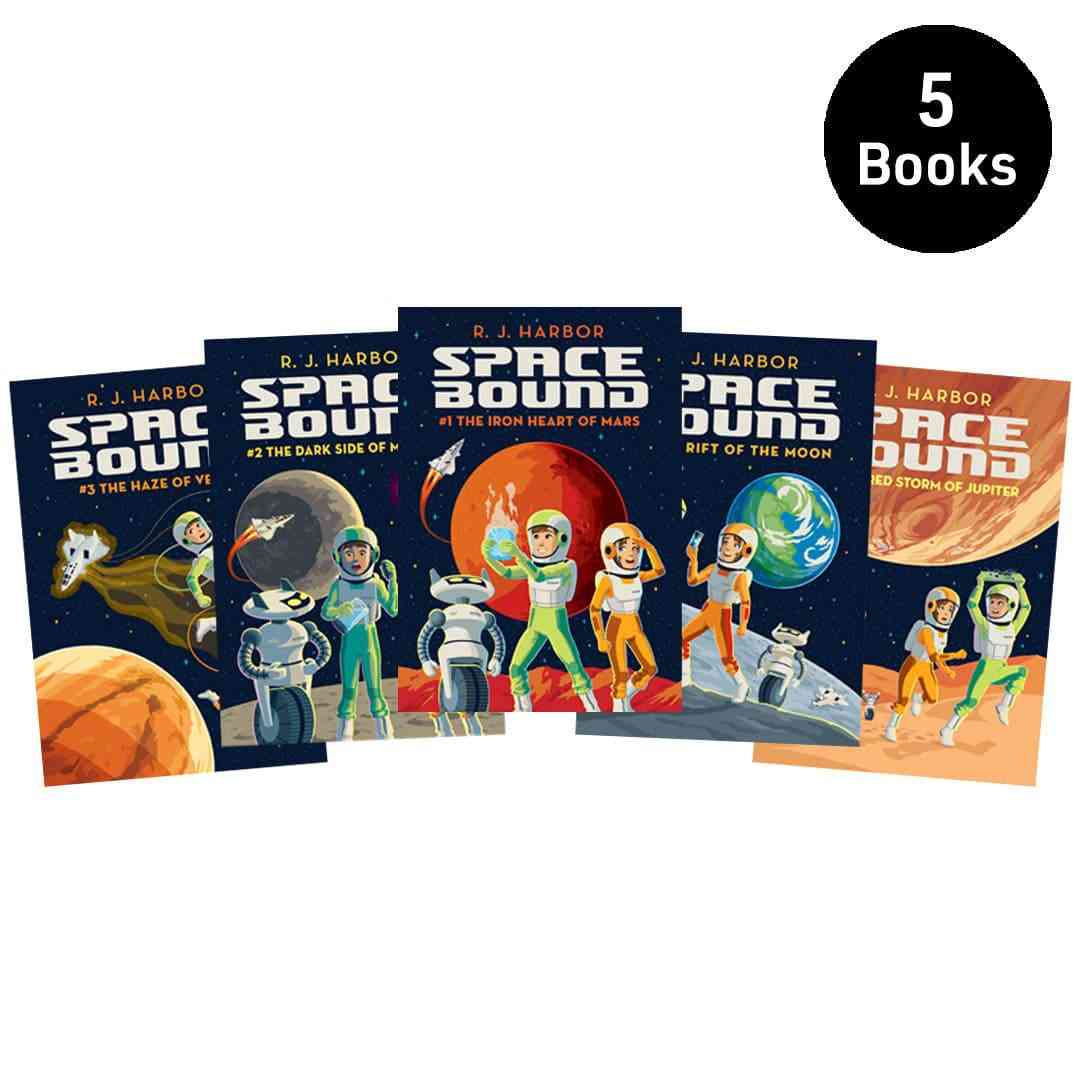
If your child is a hesitant or developing reader, look for books labeled as easier reads. For example, Space Bound is an easier read, making it a good pick for kids who want an exciting story without a steep climb.
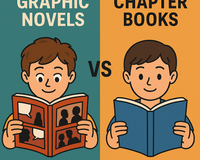
6. Use Graphic Novels as a Bridge
Comics and graphic novels are real reading.
They build story sense, vocabulary in context, and the habit of picking up a book for fun. If your child only wants comics, don't fight it. Let them read comics and introduce a lighter, illustrated or fast-paced chapter book alongside them. Over time, the chapter book becomes just another thing they read.
7. Read Books Built Around Video Games
If your child would rather be gaming, don't set books against games. Connect them.
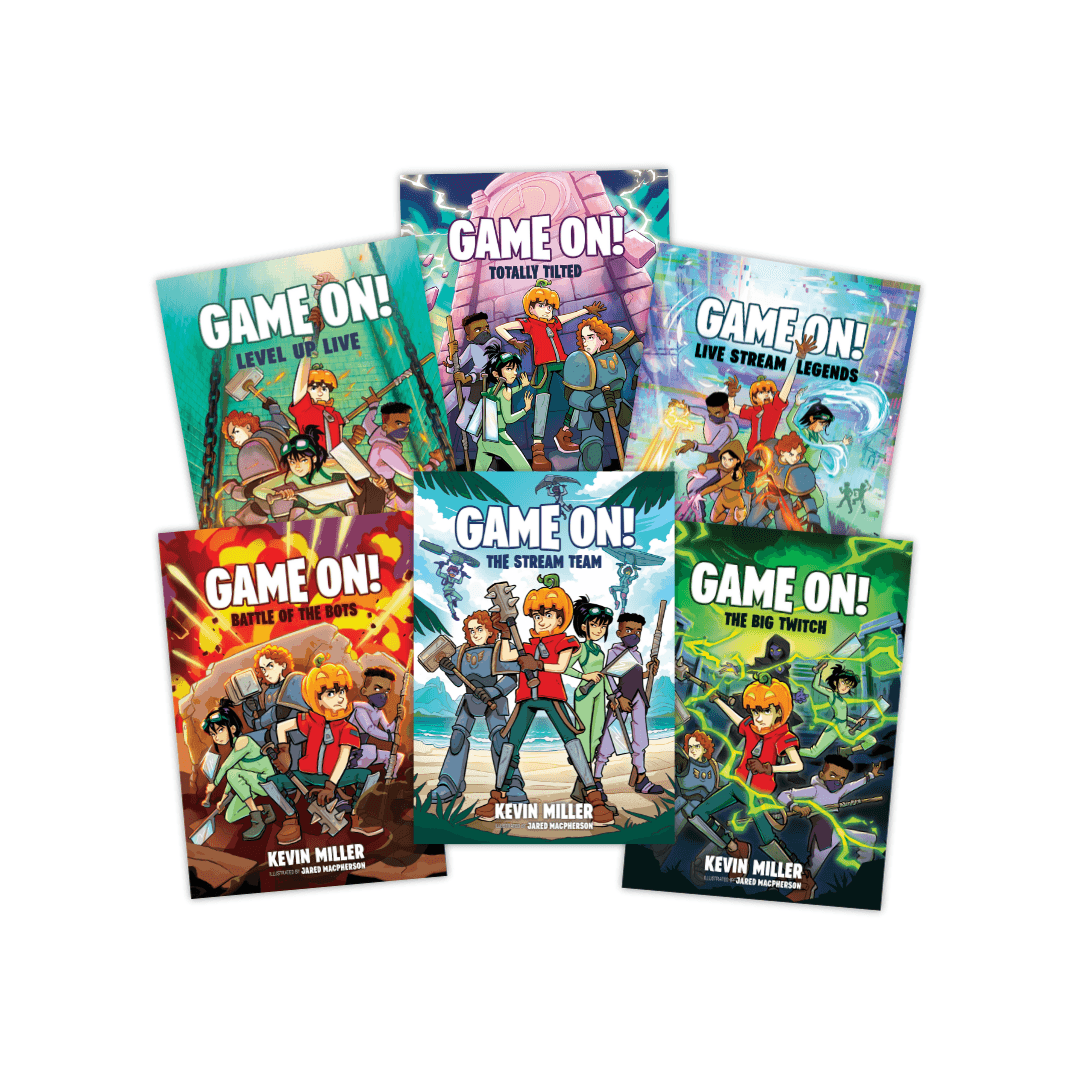
Stories with gaming themes let kids stay in a world they already love while getting real reading practice. The Game On! series was written for young gamers ages 8–12, and it's a natural starting point for kids who say reading can't compete with their console.
8. Read a Series, Not a Single Book
The biggest reading-habit hack is a series. Once a child is hooked on characters and a world, the next book is already chosen, and the friction of "what do I read next?" disappears. Kids who devour one book in a series will often keep going on their own.
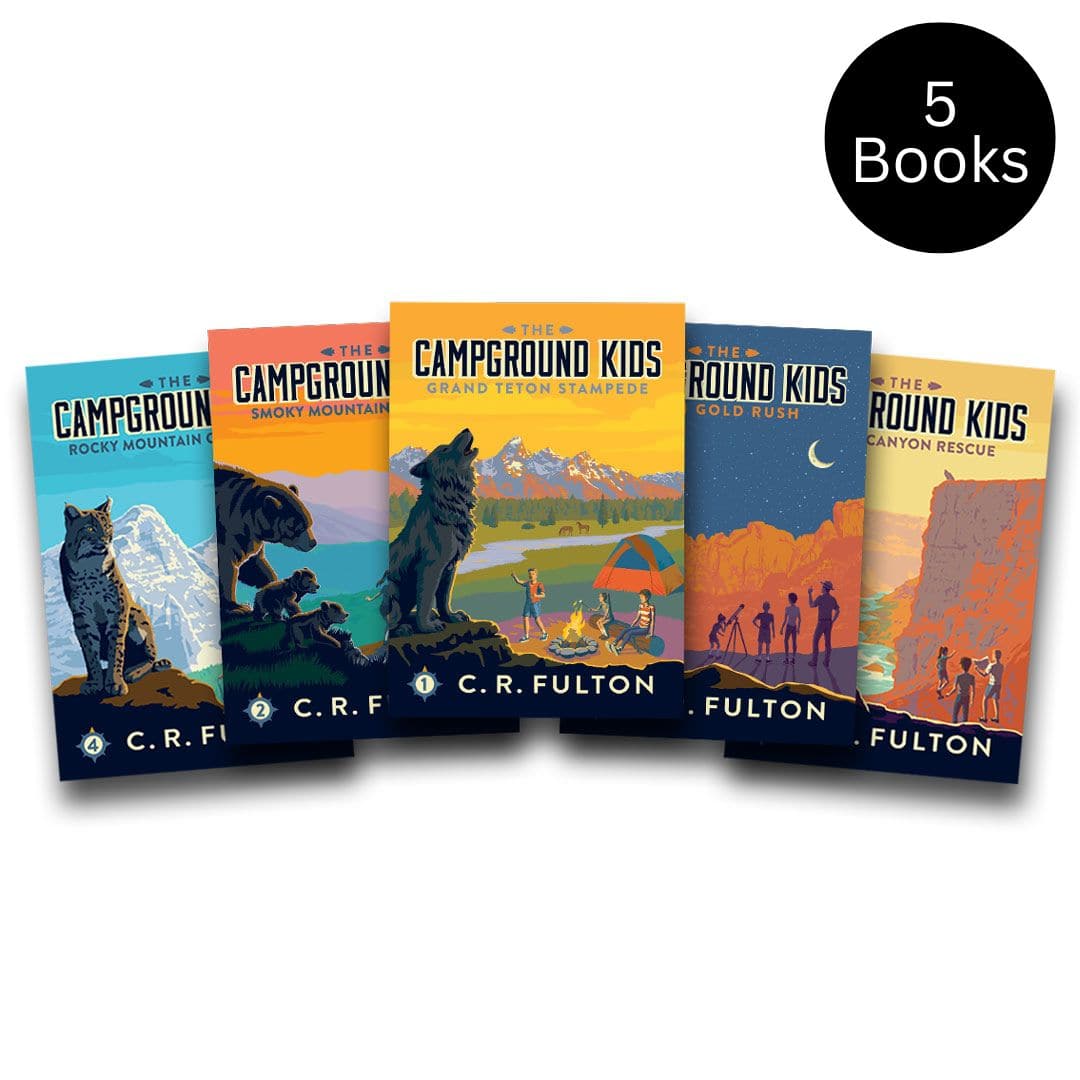
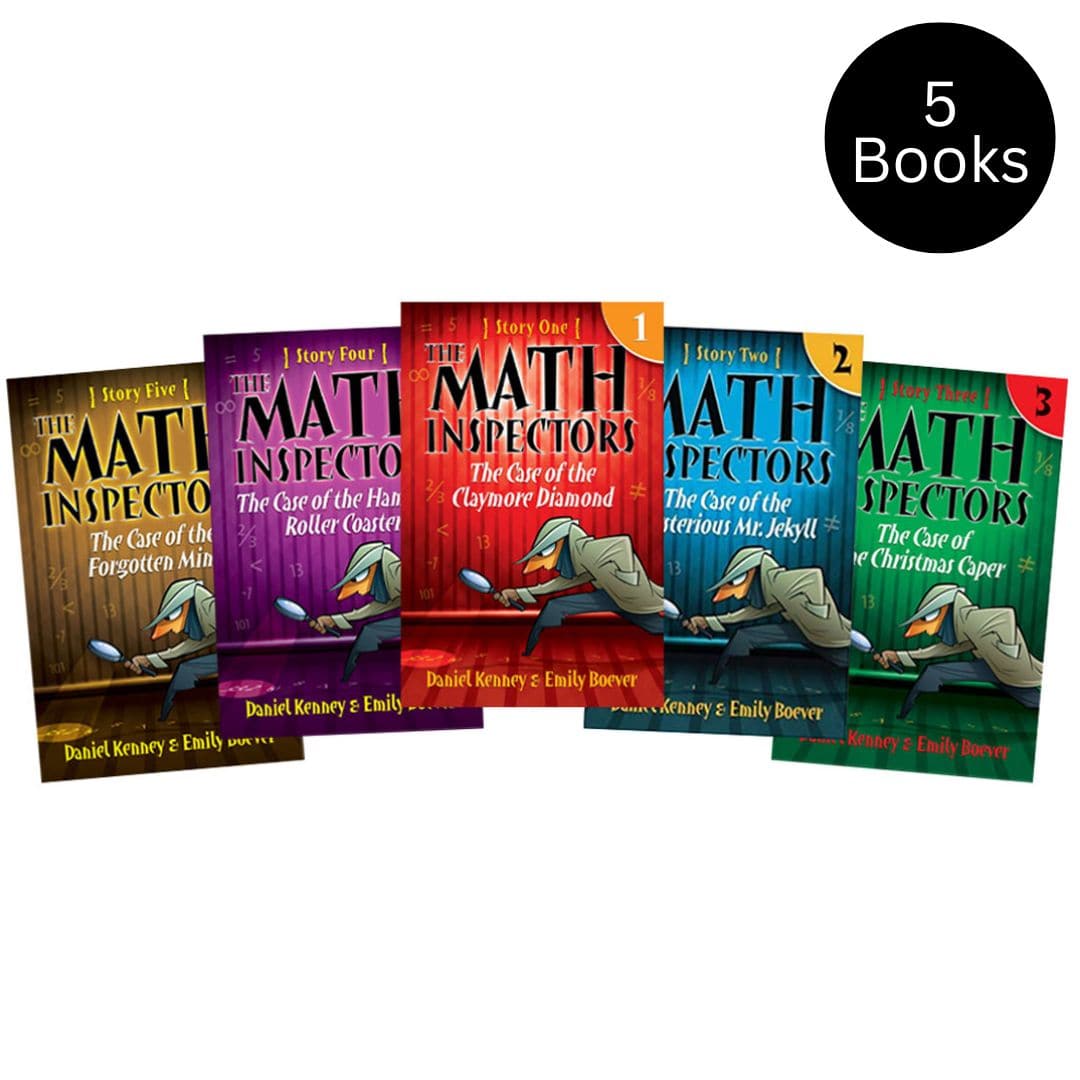
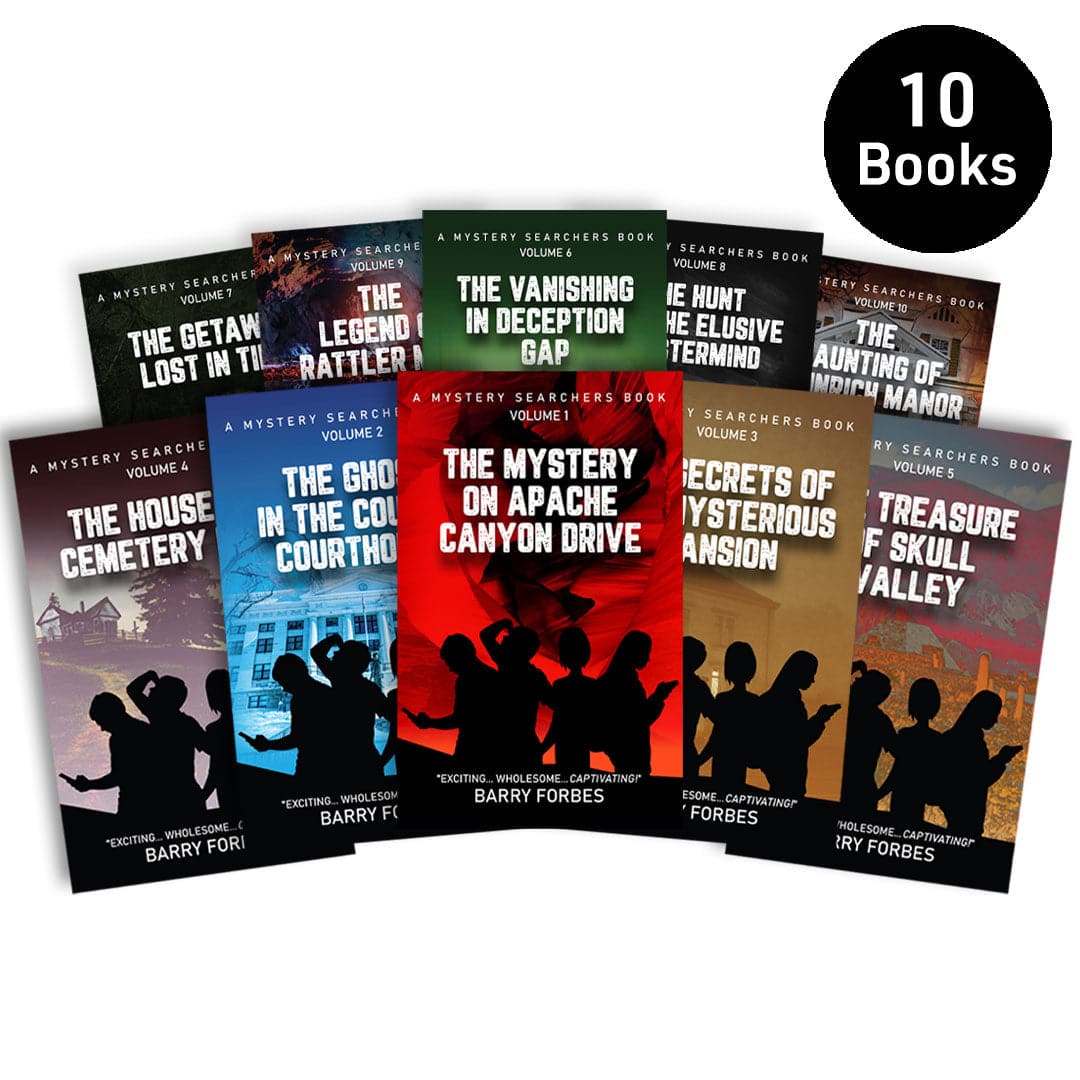
That's why many parents start with a full set. Bakken Books offers complete bundles, like The Campground Kids, The Math Inspectors, The Mystery Searchers, and Rescue From, so the next book is always waiting!
9. Make Reading a Low-Pressure Daily Habit
Consistency beats intensity.
Ten to twenty relaxed minutes a day does more than one long, tense session on Sunday. Attach reading to a routine that already exists, like after dinner, before bed, or during a car ride.
Keep it calm. If reading becomes a battleground, kids dig in.
10. Read Aloud, Even to Older Kids
Reading aloud isn't just for little ones.
Reading a chapter to your 9- or 10-year-old (or taking turns, page by page) keeps stories enjoyable while their independent reading catches up. It also models fluent reading and gets them curious about what happens next.
11. Model Reading Yourself
Kids copy what they see. When children see adults reading for pleasure, reading looks normal and worthwhile. Set aside a family reading time where everyone, including you, reads something of their own.
12. Create a Cozy, Easy-to-Reach Reading Spot
Reduce friction physically. Keep books in the car, in the living room, and by the bed, not just on one bookshelf in one room.
A beanbag, a blanket, or a corner with good light makes reading feel like a treat instead of a task!
13. Limit Competing Screens (Without Making It a Punishment)
Screens are a tough competitor because they're effortless. Rather than banning them, build in predictable screen-free windows, such as "books before bed" or "reading before games."
When it's a routine, not a punishment, kids push back less. Pair the rule with a book they're excited about, and the trade feels fair.
14. Talk About the Book
Ask casual, curious questions like, “What's your favorite character? What do you think happens next? Would you have made that choice?”
Kids love stories they want to talk about. A book that sparks conversation is a book they'll keep reading, and it shows you're interested in their world, not quizzing them.
15. Celebrate Progress, Not Perfection
Notice effort. "You've read three chapters this week, that's great" goes further than a checklist or a sticker chart tied to test-like tasks.
Finishing a first chapter book, going back to reread a favorite, or asking for the next book in a series are all wins worth cheering. Rereading counts, too.
How to Choose the Right Book: A Simple 3-Question Test
When you're standing in front of a shelf, or scrolling a website, run through these three questions:
-
Is it about something my child already loves? (Interest)
-
Can they read most of a page without getting stuck? (Level)
-
Does it have short, quick chapters and a reason to turn the page? (Pacing)
If the answer to all three is yes, you've likely found a winner. If one is off, adjust that piece: swap the topic, drop down a level, or find a faster-paced title.
Book Ideas by Type of Reader
-
The kid who says "reading is boring": Start with an interest-based series in their favorite topic. Browse Bakken's best-sellers.
-
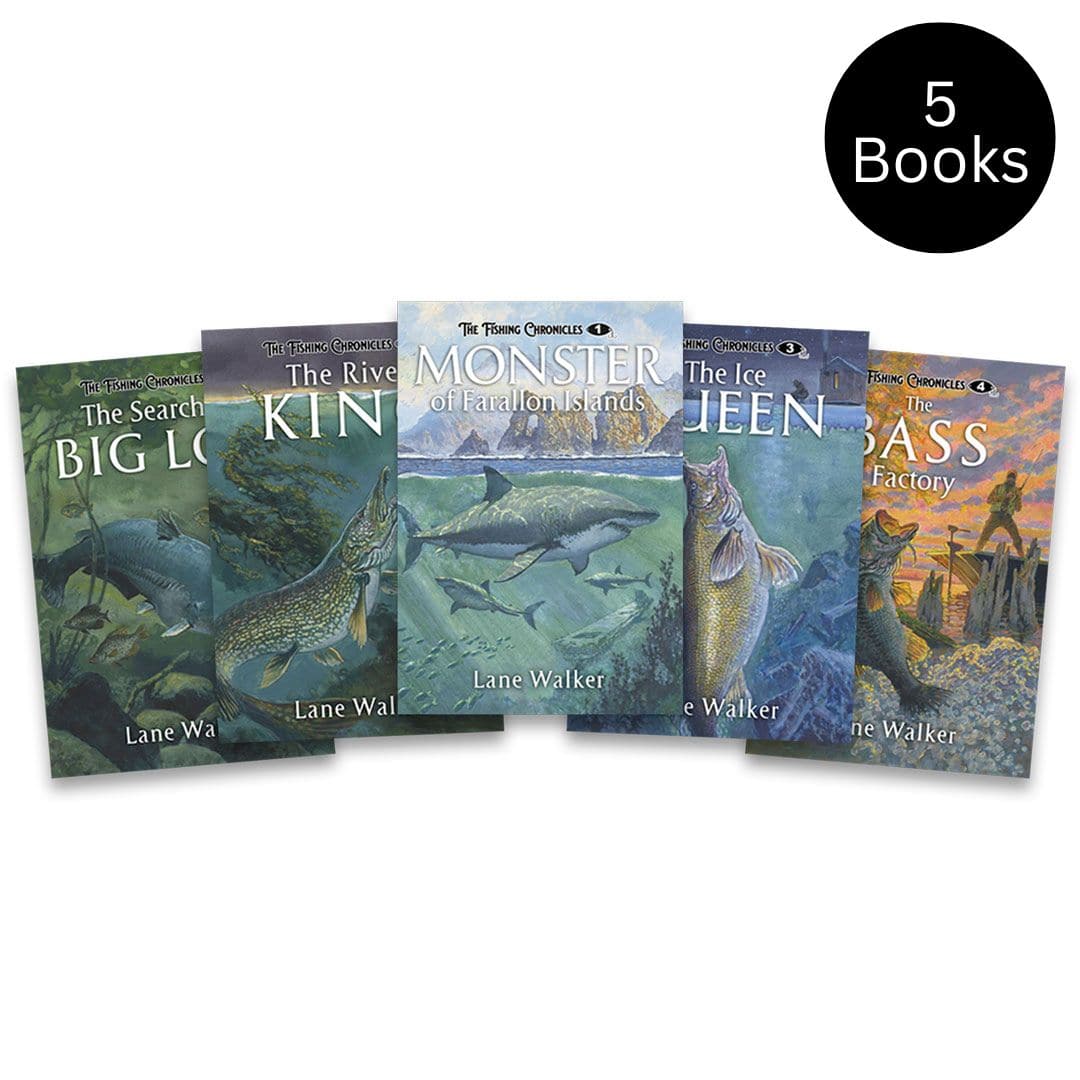
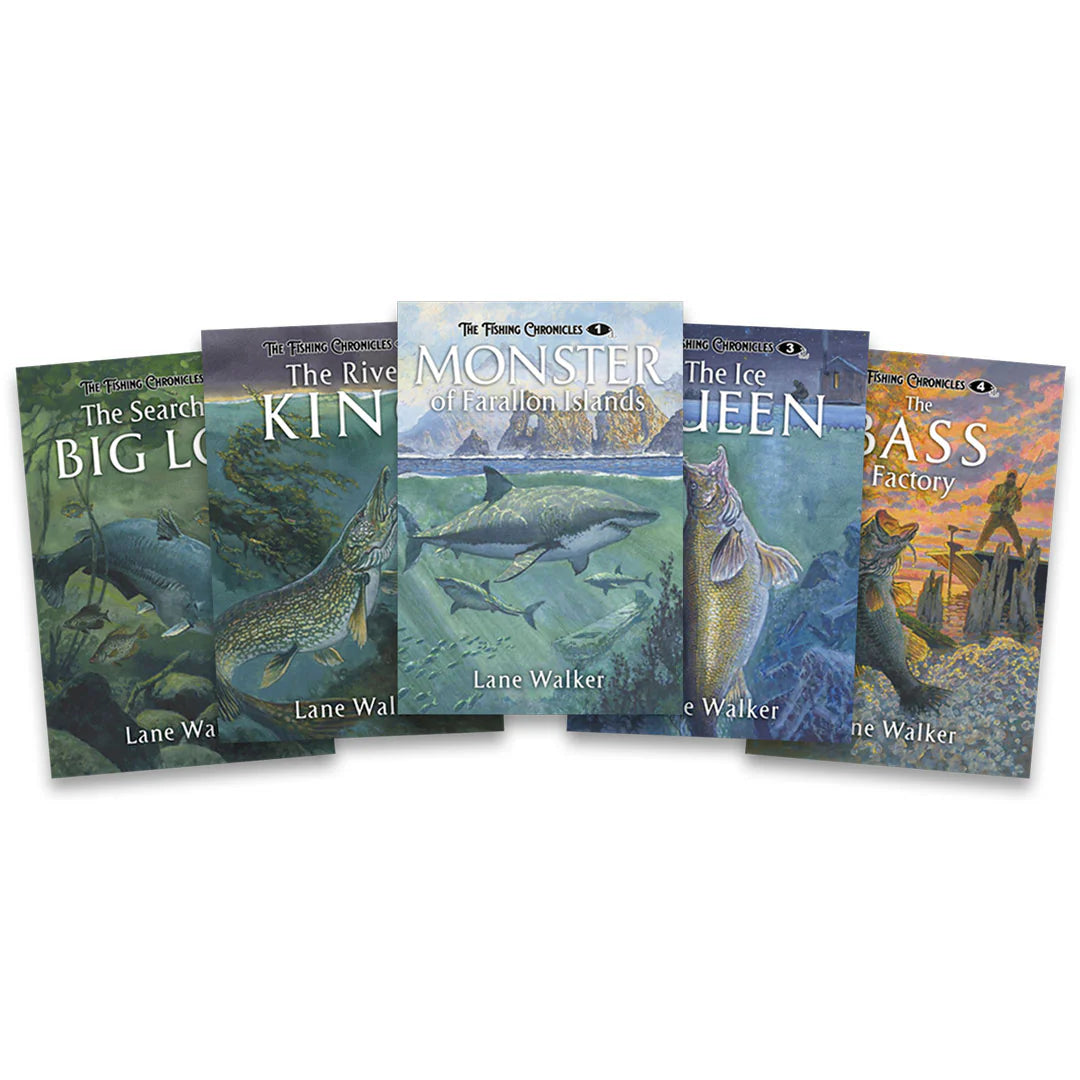
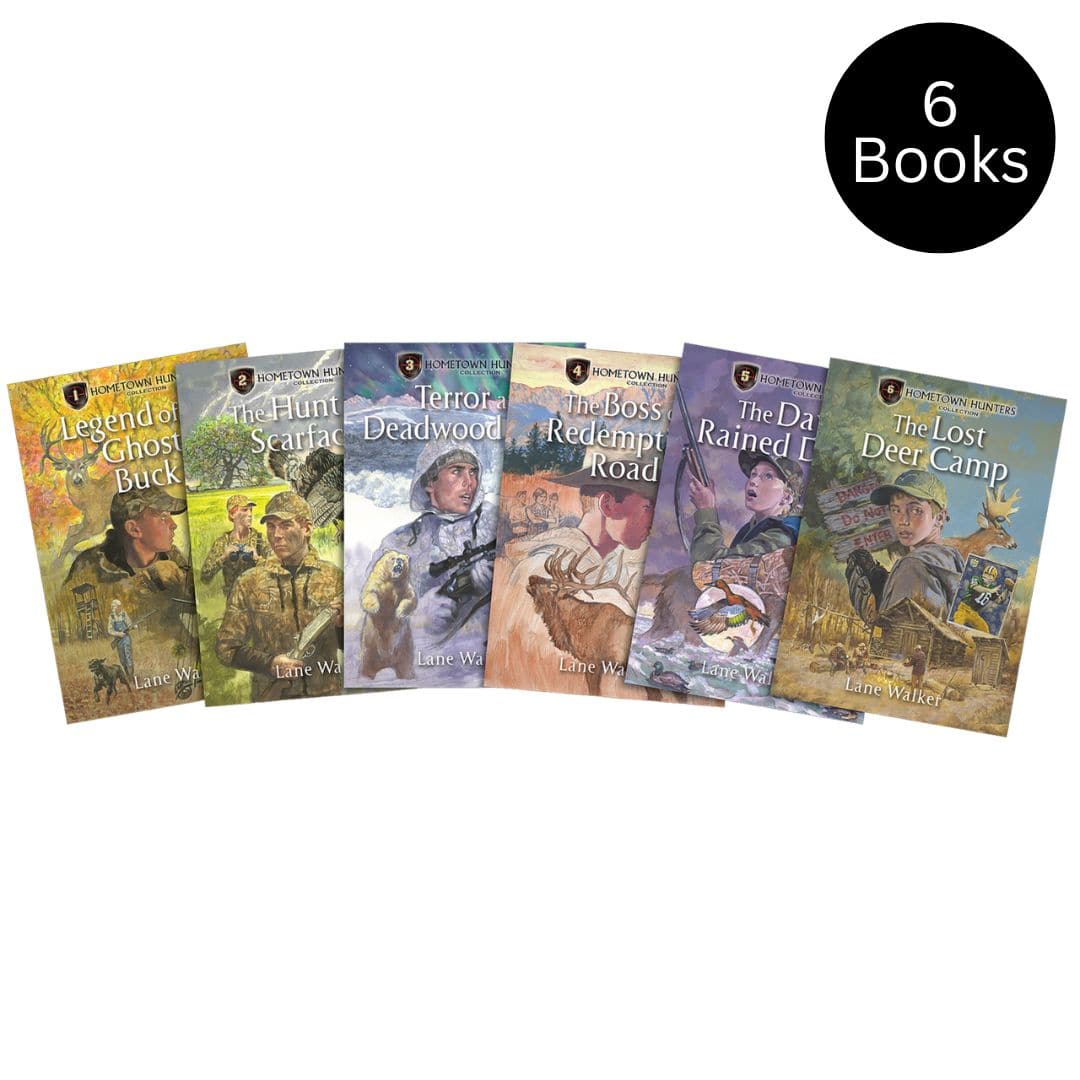
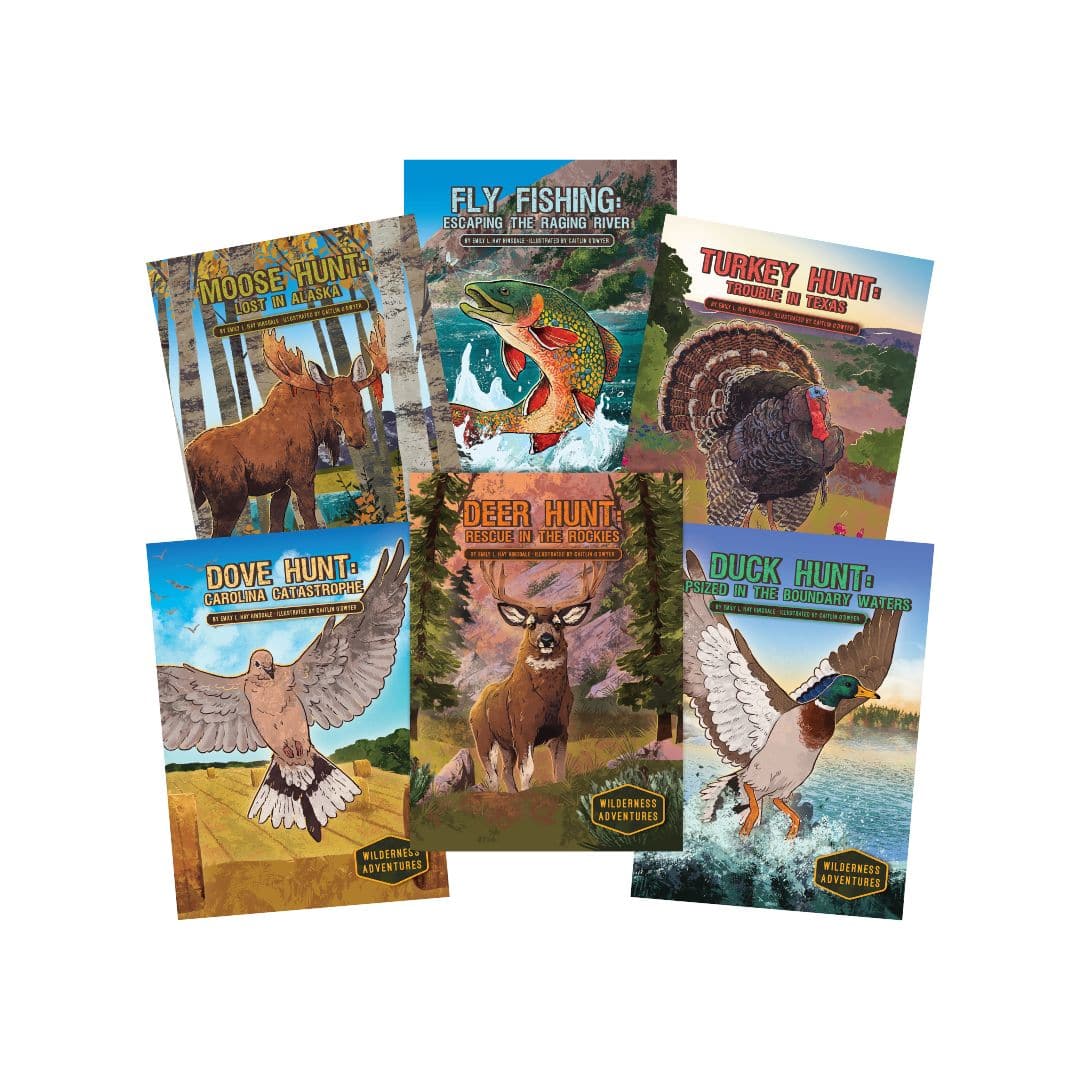
The outdoorsy kid: Try camping, fishing, or wilderness stories.
-
The gamer: Start with the Game On! series.
-
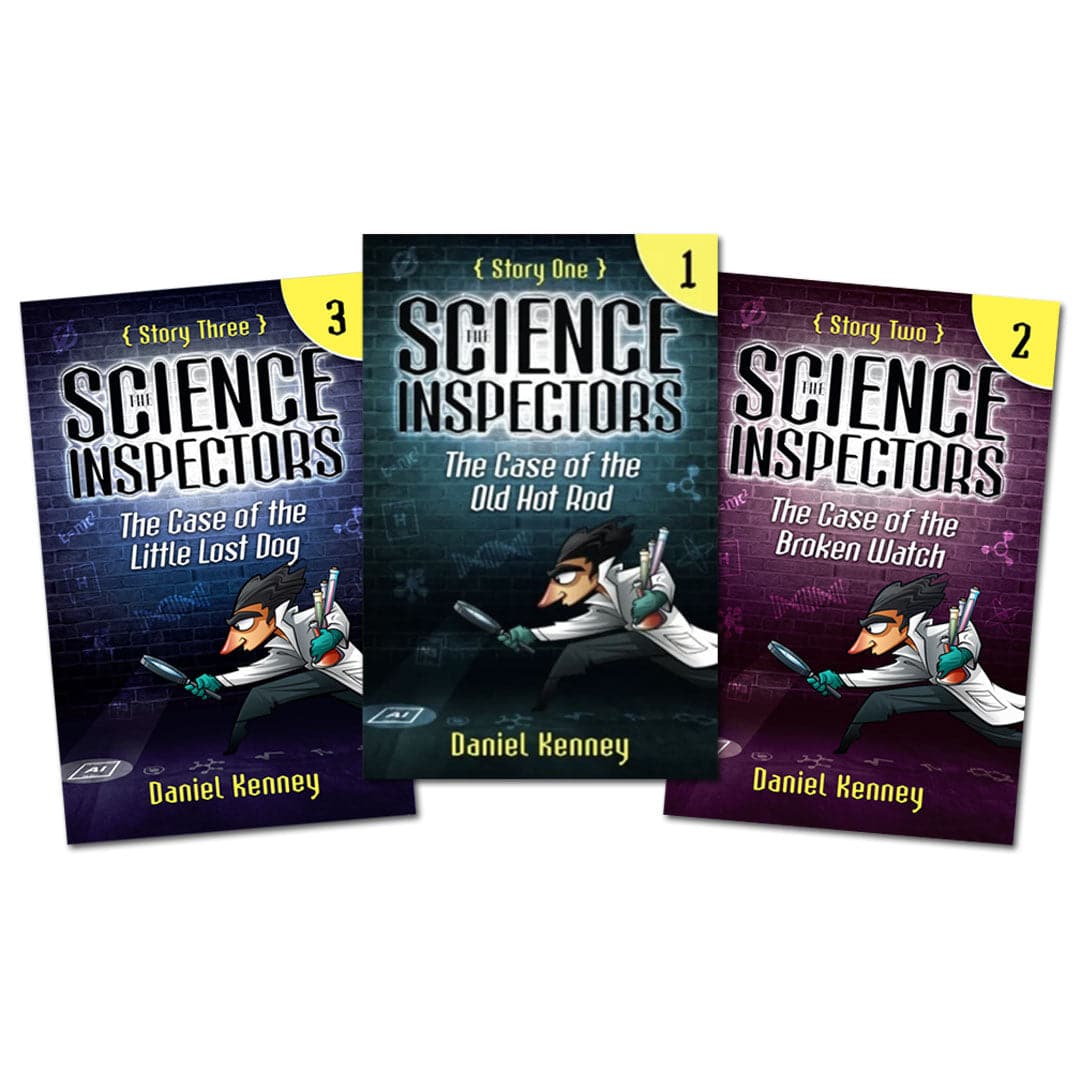
The puzzle-lover: Try mystery or math-based mysteries.
-
The kid who starts books but never finishes: Choose a series with short chapters and cliffhangers, and read the first chapter together.
-
The developing reader: Look for easier reads with strong stories and illustrations.
Common Mistakes That Make Kids Read Less
Even well-meaning parents can accidentally push kids away from books. Watch out for these:
-
Making reading a punishment or a prerequisite ("no games until you read").
-
Insisting they finish every book they start.
-
Correcting every mispronounced word during independent reading.
-
Only allowing "serious" books and dismissing series, comics, or humor.
-
Comparing them to a sibling or classmate who reads more.
-
Waiting for motivation instead of building an easy routine.
Swap these for choice, patience, and a steady supply of books they actually want.
Ready to find your child's next favorite book?
Take our free 60-second interest quiz or browse our best-selling chapter books for kids ages 8–12 to get started.
Frequently Asked Questions About Kids Reading Habits
Why won't my child read?
Common reasons include books that are too hard, too long, or not interesting; low confidence; competition from screens; and reading feeling like a school chore. Identify which one applies, and the fix is usually simple, such as a different book or shorter chapters.
How many minutes a day should my child read?
Many families aim for 15 to 30 minutes a day, but consistency matters more than the exact number. Start with 10 to 15 relaxed minutes and build up as reading becomes enjoyable. Reading aloud together can count toward the total.
What should I do if my child says reading is boring?
"Boring" usually means "not about anything I care about" or "too hard." Try books built around a specific interest, such as gaming, sports, space, or mystery, and offer three choices so they feel in control. Bakken's interest-based collections are designed for this.
How do I get my child to read instead of playing video games?
Don't set the two against each other. Use gaming as a bridge with books about gaming and gamers, like the Game On! series, and create predictable routines such as reading before screen time or before bed.
What if my child starts books but never finishes them?
That's common. Try a series with short, fast-paced chapters and cliffhangers, read the first chapter together, and let them drop a book that isn't working without guilt. Finishing one great book builds the confidence to finish the next.
What are the best books for reluctant readers ages 8–12?
The best books combine a strong interest, a comfortable reading level, and quick chapters. Series work especially well because they keep kids reading.
How do I know if a book is the right reading level?
Have your child read a page aloud or silently. If they can read most of it smoothly with only a few tricky words, it's likely a good fit. If they stumble on many words per page, try an easier read first to build confidence.
Should I reward my child for reading?
Small celebrations are fine, but the best reward is another great book. Heavy rewards can make reading feel like a chore. Focus on praise for effort and offer the next book in a series they love.
What if my child has reading difficulty, ADHD or dyslexia?
Choose engaging books at a comfortable level with short chapters, and read together when helpful. If you're concerned about your child's reading progress, talk with their teacher or a qualified specialist.