Table of Contents
- What Are Chapter Books?
- When Are Kids Ready for Chapter Books?
- 8 Signs Your Child Is Ready for Chapter Books
- Chapter Books by Age
- How to Make Transitioning to Chapter Books Easy
- Why the Right First Chapter Book Matters
- Frequently Asked Questions
There comes a moment for almost every family when something starts to change.
The picture books that your child once wanted to read every single night suddenly don't seem quite as exciting. They finish the story in just a few minutes, flip back through the pages, and then ask, "Do we have another one?"
Before long, they're eyeing the books on an older sibling's shelf or asking if they can read a "big kid book."
If that sounds familiar, you're probably wondering the same thing countless parents ask every year: When are kids ready for chapter books?
The answer isn't as simple as picking a certain birthday or grade level. While many children begin transitioning to chapter books between ages 6 and 9, every child develops reading skills at their own pace. Some are eager to dive into longer stories in first grade, while others are happiest sticking with picture books for another year or two. And that's perfectly okay.
The goal isn't to rush your child into more difficult books. The goal is to introduce chapter books when they feel exciting, achievable, and fun.
Choosing the right books during this stage can make all the difference. A series that's too difficult can leave a child feeling frustrated, while a story that's just the right mix of adventure, humor, and challenge can spark a lifelong love of reading.
So how do you know if your child is ready? Let's look at the biggest signs.
What Are Chapter Books?
Before you start shopping for your child's next read, it's helpful to understand what makes chapter books different from picture books or middle grade graphic novels.
Chapter books are designed to bridge the gap between early readers and longer novels. They're written specifically for children who are becoming more independent readers but still benefit from manageable chapters, engaging illustrations, and straightforward storylines.
Unlike picture books, where the illustrations often tell half the story, chapter books ask readers to use their imagination more. There may still be pictures sprinkled throughout the book, but the words carry most of the adventure. Kids begin picturing the characters, imagining the setting, and following storylines that unfold over several chapters instead of just a few pages.
That might sound like a big leap, but well-written chapter books for beginners make that transition feel natural. They use shorter chapters, familiar vocabulary, exciting dialogue, and plenty of action to keep young readers engaged without overwhelming them.
At Bakken Books, that's our approach behind every series. Instead of lengthy descriptions or complicated plots, readers are pulled into exciting adventures with relatable characters, cliffhangers that make them eager to read "just one more chapter," and stories that make reading feel like play instead of homework.
When Are Kids Ready for Chapter Books?
Parents often ask if there's a "right" age to start chapter books.
The truth is that there's no magic number.
Most experts agree that children generally begin reading chapter books somewhere between ages 6 and 9, but age is only one small piece of the puzzle.
Two children in the same classroom may have completely different reading abilities, interests, and confidence levels. And both can be right where they need to be.
Instead of focusing only on chapter books by age, pay attention to your child's habits.
8 Signs Your Child Is Ready for Chapter Books
1. They Want to Know What Happens Next
One of the biggest clues that your child is ready for chapter books has nothing to do with how many words they can read.
It's pure curiosity.
When children begin asking questions like, "What happens next?" or "Can we read another chapter?" they're showing that they're becoming invested in the story itself, and not just the act of reading.
This growing curiosity is exactly what chapter books are designed to encourage. Each chapter builds on the last, creating small moments of suspense that keep readers engaged without feeling overwhelming.
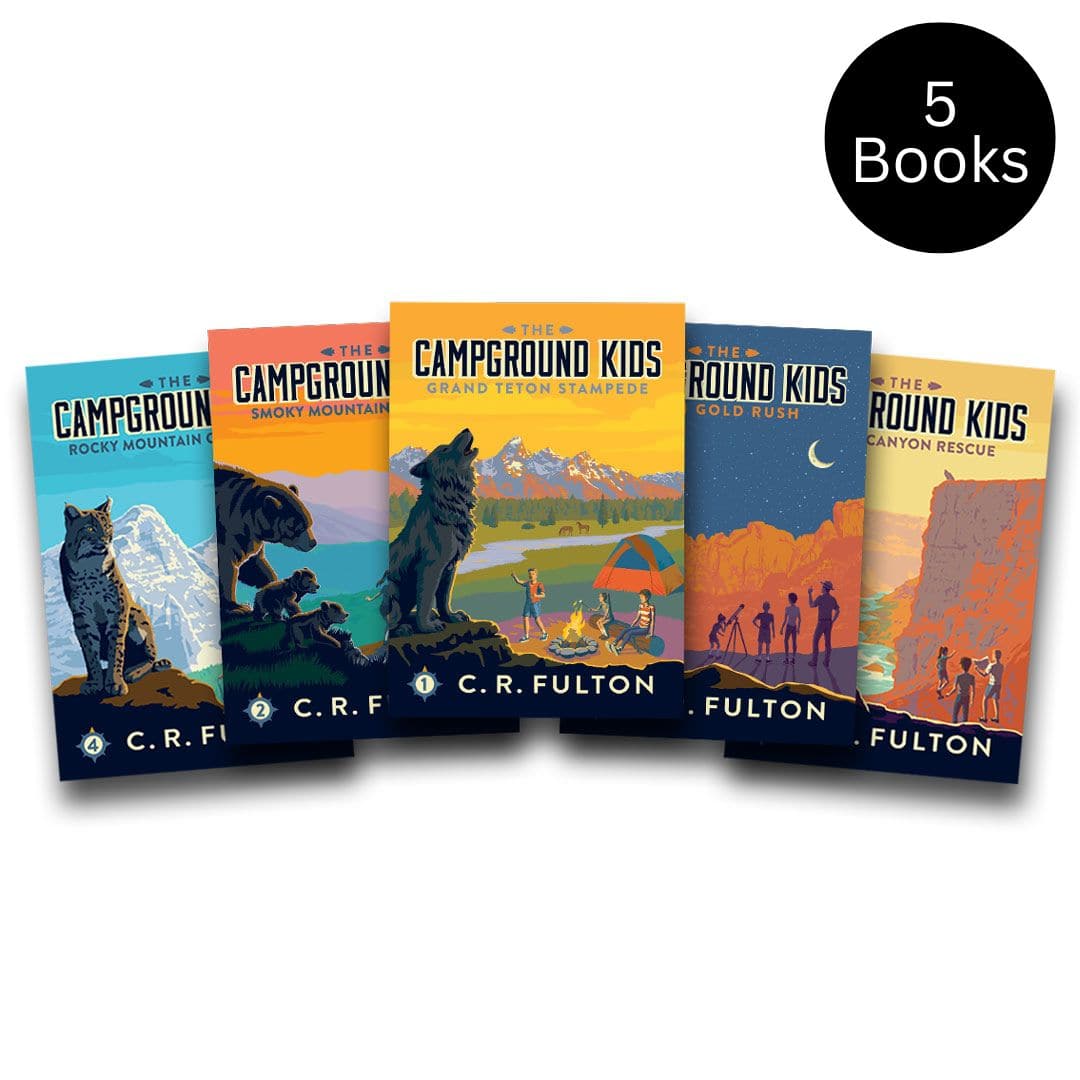
Series like The Campground Kids are especially great for this stage because every adventure gives kids another mystery to solve or another exciting destination to explore.
Before long, they're reading because they genuinely want to know what happens next… Not because someone asked them to.
2. They Can Follow a Story Over Several Days
Picture books usually begin and end in one sitting.
Chapter books don't.
If your child can remember what happened in last night's story and immediately jump back into today's chapter, they're developing an important reading skill called reading stamina.
You might notice your child saying things like:
"Wait...isn't that the same ranger they met yesterday?"
Or...
"I think I know who's behind the mystery!"
Those moments show they're connecting events across multiple chapters instead of treating every reading session as a brand-new story. This is one of the clearest signs that they're ready to begin transitioning to chapter books.
3. They Care About the Characters
One of the most exciting parts of watching children grow as readers is seeing them become emotionally invested in fictional characters.
Instead of simply enjoying colorful pictures, they begin cheering for the heroes, laughing at funny moments, and worrying when characters face challenges.
You may even hear them talk about the characters as though they're real friends.
"Do you think they'll find the missing clue?"
"I hope Ethan figures it out."
"I can't believe that happened!"
This emotional connection is incredibly important because it keeps children motivated to continue reading even when they encounter unfamiliar words or slightly longer chapters.
It's also one reason a series is so powerful. Every new book feels like visiting old friends again, which makes picking up the next book much easier.
4. They Finish Picture Books Quickly & Want More
There's nothing wrong with loving picture books.
In fact, many older children still enjoy them because they're beautifully written and illustrated.
But eventually, many kids begin looking for stories with a little more depth.
You may notice your child finishing a favorite picture book in just a few minutes before asking if there's another story to read. They may start saying they want "longer books" or become interested in books with chapter numbers instead of full-page illustrations.
This doesn't mean they're done with picture books forever. Instead, it usually means they're ready to add something new to their reading routine.
A great way to make the transition is to alternate between picture books and chapter books. Read a favorite picture book one night and a chapter from a beginner chapter book the next. This keeps reading fresh while helping children build confidence with longer stories without feeling pressured.

5. They Love Reading (or Listening to) Book Series
Have you ever noticed how kids love watching the same movie over and over again? Or how they'll ask for the same bedtime story every night for weeks?
The same thing happens with books.
Once children fall in love with a character, they don't want the adventure to end… They want another one. That's why series are one of the best ways to help kids who are transitioning to chapter books.
Instead of learning a whole new cast of characters with every book, they're stepping back into a familiar world. They already know who everyone is, how the stories work, and what kind of adventure to expect.
That familiarity gives them confidence, allowing them to spend less energy figuring out the story and more energy enjoying it.
That's one of the reasons families love Bakken Books. If your child enjoys one adventure, there's always another waiting, making it much easier to build a consistent reading habit.
6. They're Beginning to Read Independently
One of the biggest misconceptions parents have is that children need to be fluent readers before they can enjoy chapter books.
They don't.
Many kids are ready for chapter books long before they can read every word on the page without help.
Maybe they sound out unfamiliar words instead of immediately asking for help. Maybe they pause to figure out a sentence or proudly announce, "I read that all by myself!" Those little moments matter because they show your child is becoming more confident and willing to take on new challenges.
Some nights your child might read an entire chapter on their own.
Other nights they may ask you to read while they follow along.
Both are valuable learning experiences.
In fact, taking turns reading chapters is one of the easiest ways to build confidence without making reading feel overwhelming.
7. They Ask for "Big Kid Books"
Sometimes kids tell us exactly what they're ready for.
You might hear things like:
"Can I read chapter books now?"
"I want a book like my brother reads."
"I don't want baby books anymore."
When kids begin asking for books that feel more grown-up, it's a sign they're ready for a new challenge.
The key is choosing the right challenge.
Handing a beginning reader a 300-page novel is like asking someone who's just learned to ride a bike to compete in the Tour de France.
They'll probably become frustrated before they become confident.
Instead, look for chapter books for beginners that have shorter chapters, exciting adventures, and plenty of dialogue.
Kids should feel successful after finishing each chapter. That sense of accomplishment is what keeps them coming back for more.
8. They Can Retell the Story in Their Own Words
One of the easiest ways to measure comprehension is by asking simple questions after reading.
Can your child explain what happened?
Can they describe the main character?
Can they tell you what problem the characters are trying to solve?
If they can, that's a fantastic sign they're ready for more complex stories.
You don't need to turn reading into a quiz, though. Keep it conversational.
"What was your favorite part?"
"Who do you think is the funniest character?"
"What do you think will happen next?"
These simple conversations strengthen comprehension while showing your child that stories are meant to be enjoyed, discussed, and imagined.

Chapter Books by Age: A Guide for Parents
One of the most common questions parents ask is what chapter books by age look like.
While every child develops differently, these general guidelines can help:
Ages 5–7: Many children are just beginning the transition from picture books. They're often still enjoying read-alouds but are ready for highly illustrated chapter books with larger print, simple vocabulary, and exciting plots. Reading together is incredibly valuable during this stage.
Ages 7–9: This is when many children become more confident independent readers. They're able to read longer stretches on their own, remember storylines across multiple days, and enjoy chapter book series. Adventure, mystery, humor, and sports stories are especially popular with this age group.
Ages 9–13: By this point, many readers are ready for longer middle-grade novels with more complex characters, deeper themes, and fewer illustrations. Even so, there's absolutely nothing wrong with continuing to enjoy shorter chapter books if that's what keeps your child excited about reading.
Remember, these age ranges are guides, not rules. A child who loves reading is always in the right book, regardless of the number on the cover.
How to Make Transitioning to Chapter Books Easy
Once you recognize the signs, the next step is helping your child enjoy the transition.
Tip 1: don't rush it.
Picture books don't suddenly become "baby books." They continue to build vocabulary, comprehension, and family reading time. Many elementary-aged kids still love beautifully illustrated stories, and that's something worth encouraging.
Instead, introduce chapter books alongside the books your child already enjoys. Read one chapter each night before bed or take turns reading pages together. This removes the pressure of finishing an entire book while helping children build reading stamina naturally.
Tip 2: Let your child's interests lead the way.
A child who loves camping will be much more excited about a story set in a national park than one about a topic they don't care about. The same goes for space, mysteries, animals, sports, or video games.
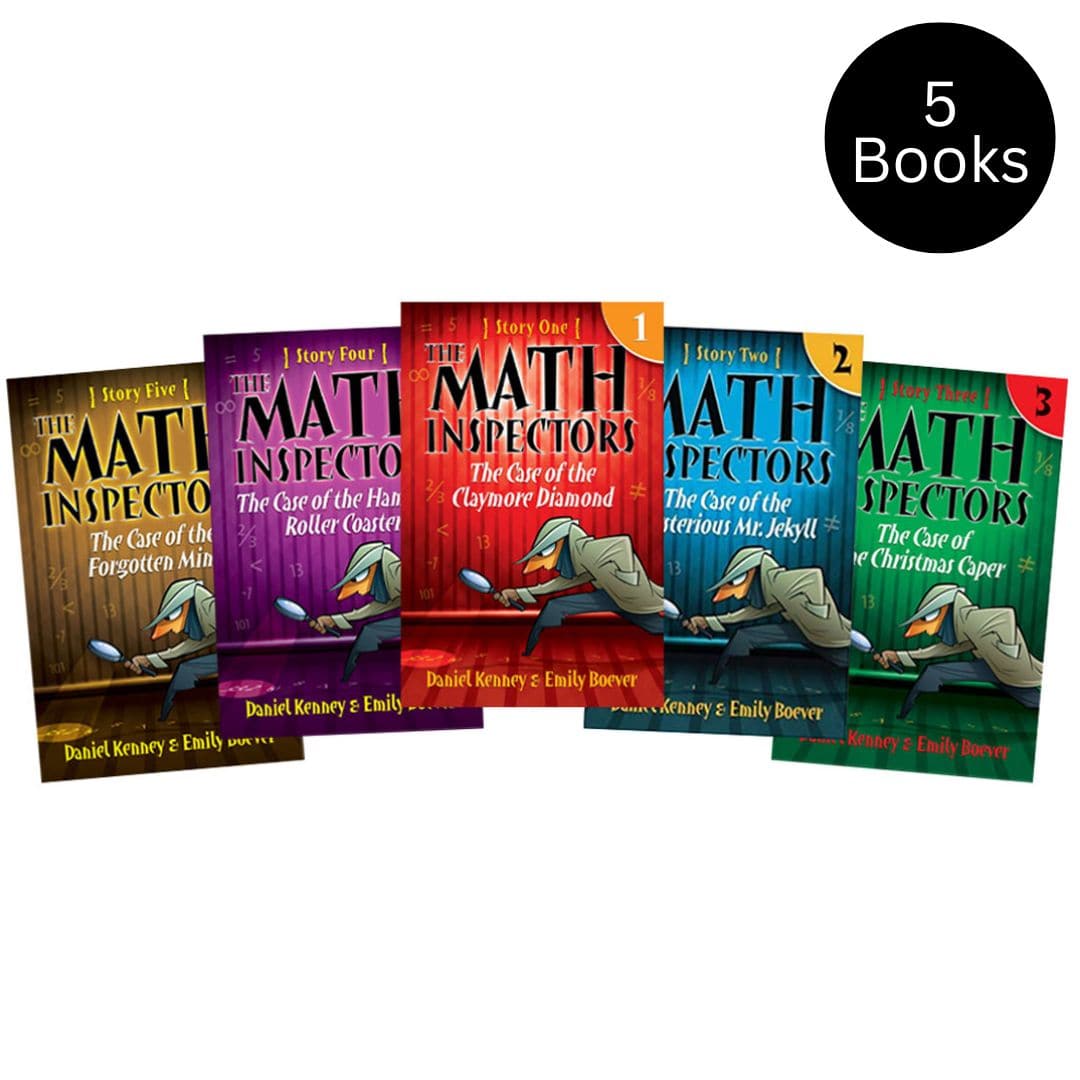
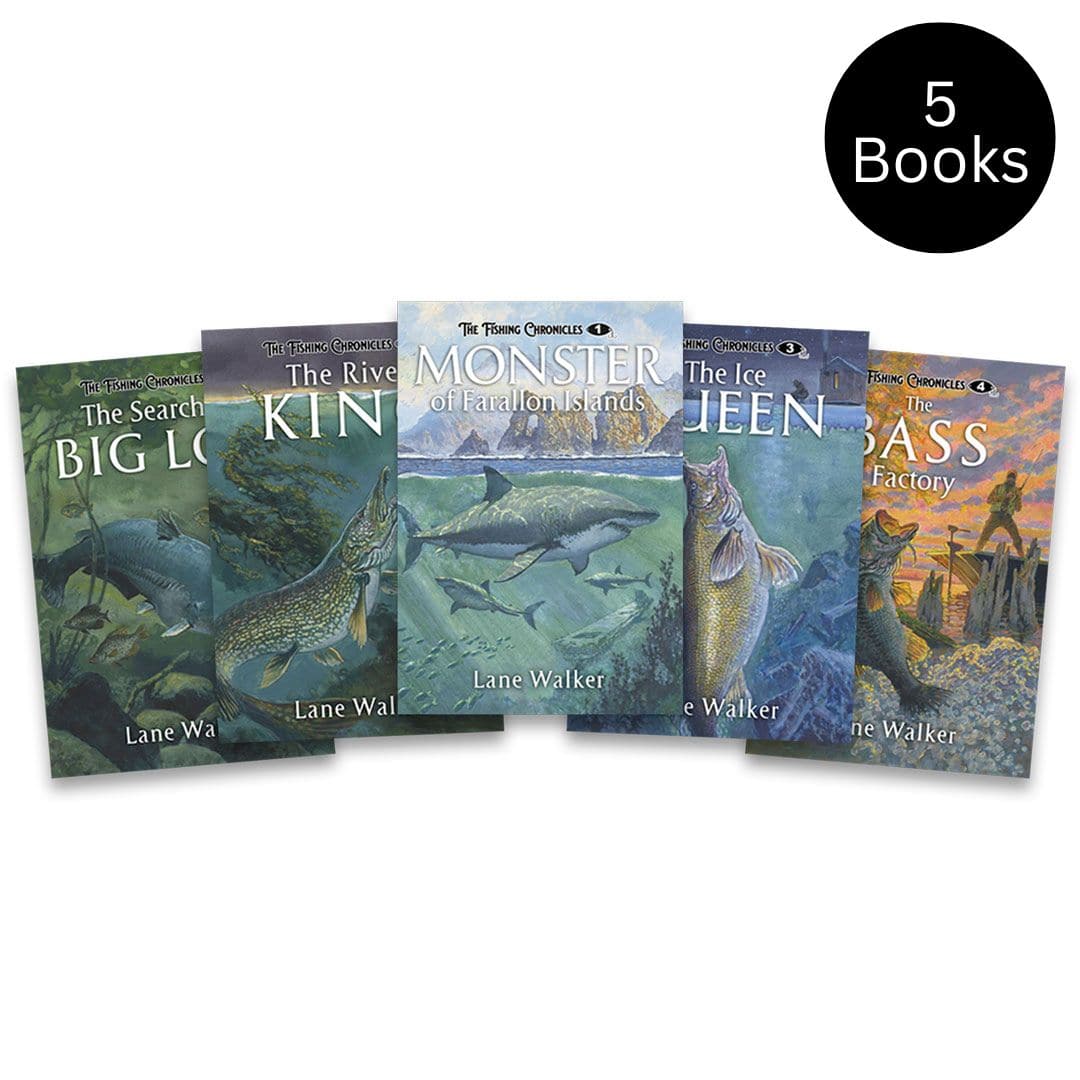
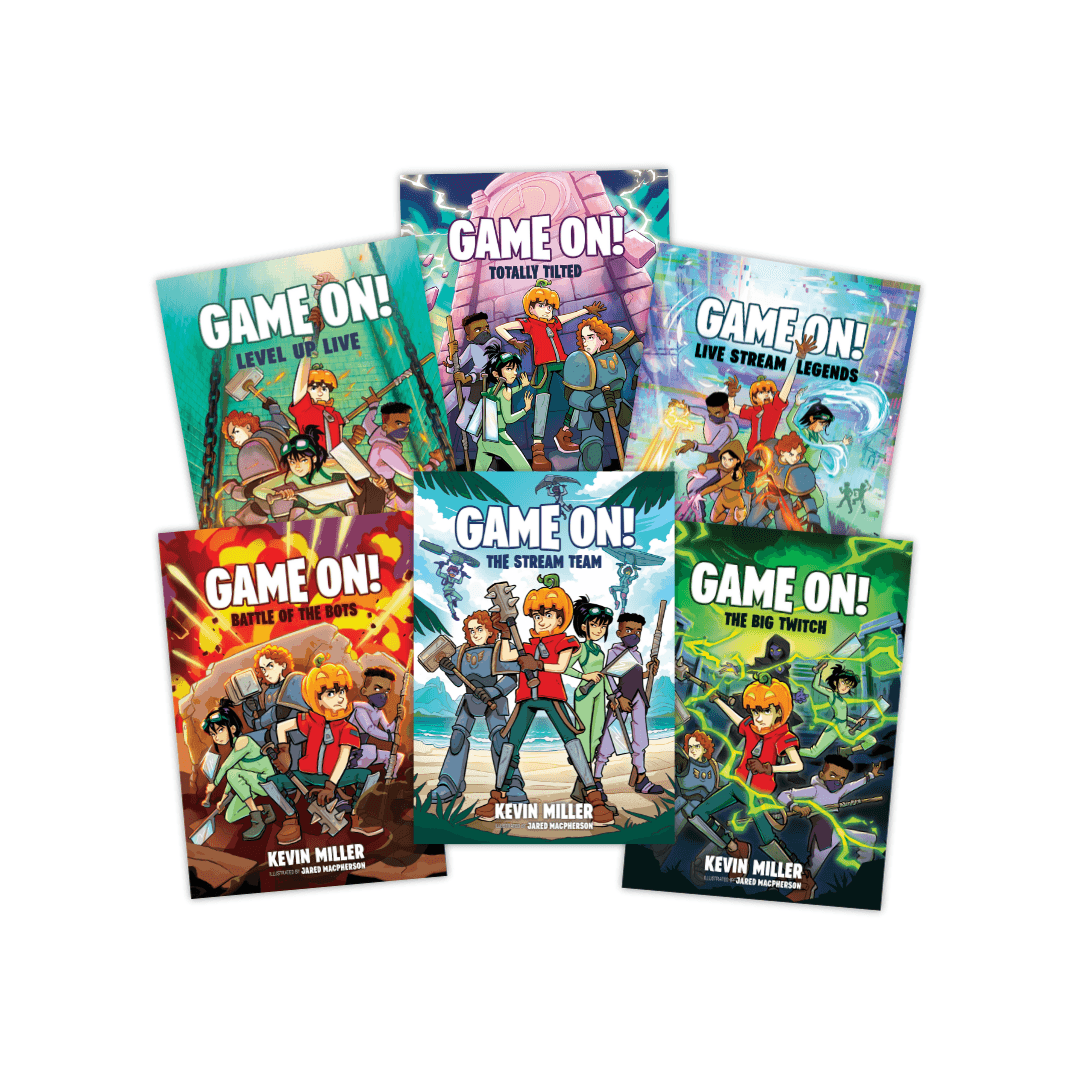
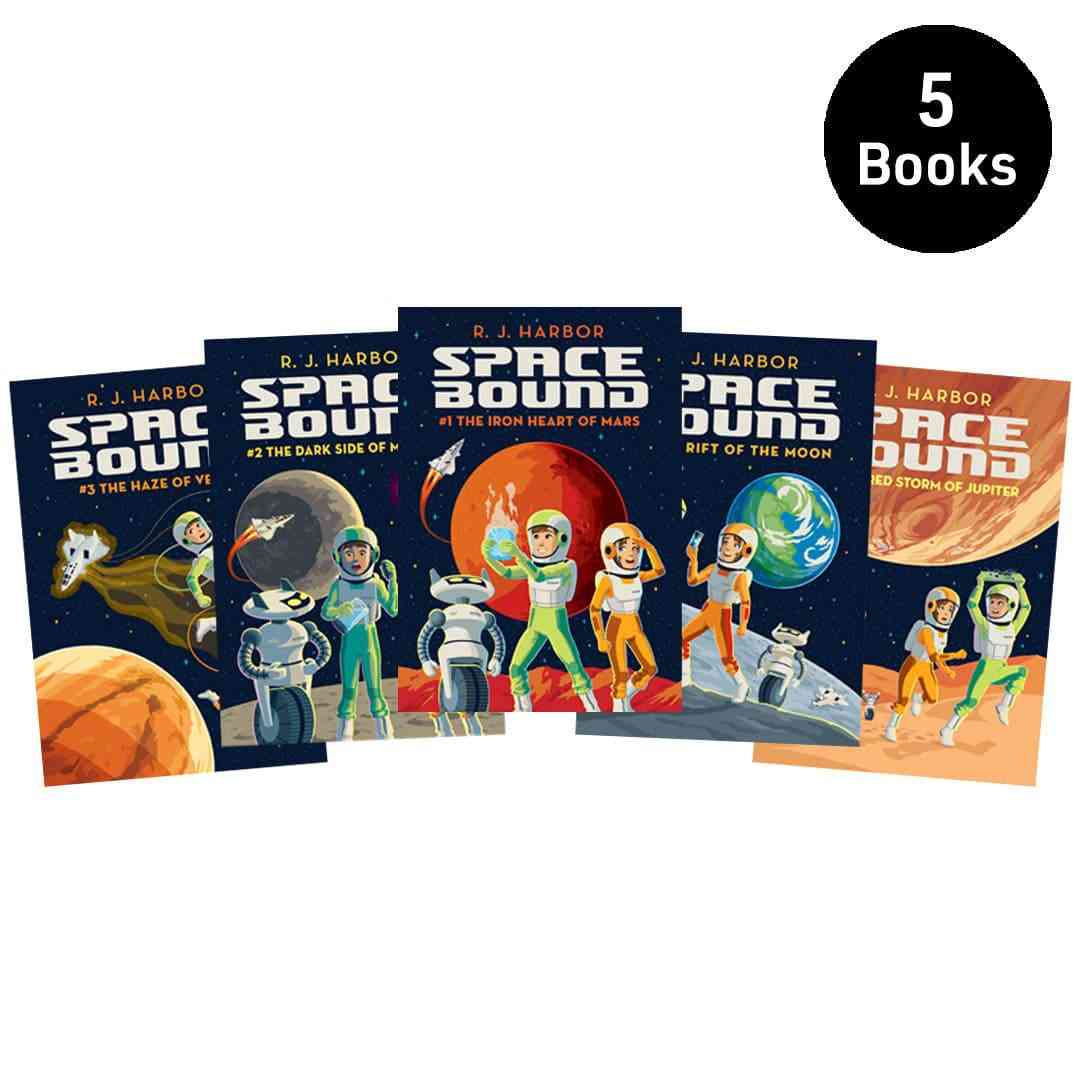
That's why Bakken Books offers several different series designed around the interests kids already have. Whether they're hiking through America's national parks in The Campground Kids, solving puzzles in The Math Inspectors, blasting off on exciting adventures in Space Bound, or diving into the action of Game On!, there's a story waiting to capture their imagination.
The best reading level in the world won't matter if your child isn't interested in the story. Interest creates motivation, and motivation creates readers.
Need help finding interest-based books? Take our FREE quiz for recommendations!
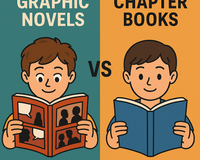
How to Decide if Your Kid is Ready For Chapter Books: A Simple-to-Follow Chart

Watch Their Signs, Not the Calendar
If you're still wondering when kids are ready for chapter books…
Don't watch the calendar.
Watch your child.
The transition doesn't have to happen all at once, and it certainly doesn't have to be perfect. Some books won't click. Others will become instant favorites that get read over and over again.
At Bakken Books, we believe every child deserves stories that make them laugh, think, explore, and imagine. Our books are written to help young readers grow one chapter at a time, turning hesitant readers into confident ones through exciting adventures they'll actually want to finish.
Frequently Asked Questions About Starting Chapter Books
Should my child stop reading picture books?
Not at all! Picture books continue to build vocabulary, comprehension, and a love of reading. Many children enjoy both picture books and chapter books during the transition, and that's completely normal.
What if chapter books seem too difficult?
Take a step back and read together. Try alternating pages or chapters, or choose a book with shorter chapters and more illustrations. The goal is to build confidence, not rush independence.
Are chapter books better than picture books?
Neither is "better." They simply serve different purposes. Picture books are wonderful for developing language and visual literacy, while chapter books help children build reading stamina, imagination, and independent reading skills.
How can I encourage my child to enjoy reading more?
Let your child's interests guide your book choices, read together regularly, visit the library often, and avoid turning reading into a chore. Kids are much more likely to become lifelong readers when books feel fun rather than required.
Why are book series so effective for young readers?
Series help kids build confidence because the characters and settings stay familiar. Instead of learning an entirely new world each time, kids can jump right into the next adventure, making reading feel easier and more exciting.