
Table of Contents
- What Is the Summer Reading Slide?
- Why Summer Reading Matters More Than Parents Think
- 5 Signs Your Kid Is Hitting the Summer Reading Slide
- What Happens If You Ignore the Summer Reading Slide?
- A Simple 15-Minute Summer Reading Routine Any Family Can Stick To
- Why Series Books Keep Kids Reading All Year Long
- Summer Doesn't Have to Mean Losing Reading Progress
- Frequently Asked Questions About Summer Reading
Summer is in full swing.
The alarm clocks are off. The backpacks are tucked away. Bedtimes get pushed back just a little, and family calendars quickly fill with vacations, camping trips, afternoons at the pool, and backyard adventures.
But somewhere between the popsicles and the road trips, something else quietly starts happening…
Books begin collecting dust.
The nightly reading routine slowly disappears.
The chapter book your child couldn't put down in May sits untouched on the nightstand.
Before parents realize it, reading has quietly gone from an everyday habit to something that only happens "once in a while."
That's what's known as the Summer Reading Slide: the gradual loss of reading skills that can happen when kids stop reading consistently over Summer break.
But the Summer Slide isn't inevitable.
And you don't need to turn your house into a classroom to prevent it.
In fact, helping your child avoid the Summer Reading Slide is often much simpler than parents expect. It doesn't require hours of worksheets or making your child read all afternoon.
Instead, it comes down to creating small, enjoyable reading moments that fit naturally into your family's Summer.
What Is the Summer Reading Slide?
Think about learning any skill.
Riding a bike, shooting free throws, playing piano, or swimming, skills stay sharp when we practice them regularly.
Reading works exactly the same way.
Kids build reading fluency, vocabulary, comprehension, and confidence every time they pick up a book. Those skills don't disappear overnight, but when weeks go by without reading, they can become a little rusty.
Most parents don't wake up one morning and think, "Wow, my child forgot how to read."
Instead, it shows up in little ways.
-
They stumble over words they used to know.
-
They lose interest in longer books.
-
They can't remember what happened in the last chapter.
-
Reading starts feeling like work instead of fun.
Think of it like watering a garden.
You don't need to flood it every day. You simply need to keep showing up consistently.
Why Summer Reading Matters More Than Parents Think
It's easy to think reading is just another school subject.
But reading is the foundation for almost everything kids learn.
Strong readers usually become stronger writers.
They often perform better in science because they understand instructions more easily.
Math word problems become less intimidating.
History becomes more engaging.
Even classroom confidence grows because reading is integrated into nearly every subject.
5 Signs Your Kid Is Hitting the Summer Reading Slide
Sign #1: They Suddenly "Don't Like Reading Anymore"
For many parents, this is the first clue.
Back in May, your child couldn't wait to finish one more chapter before bed.
Now? Reading suddenly sounds like the least exciting thing in the world.
You might hear things like:
-
"Reading is boring."
-
"Can I just watch TV?"
-
"Maybe later."
-
"Do I have to?"
Before you assume your child has stopped enjoying books, remember this:
Most kids don't stop loving stories.
They simply discover that Summer offers a lot of competing entertainment…
Swimming.
Video games.
Friends.
Camping.
Sports.
Movies.
YouTube.
Every one of those activities is fighting for your child's attention.
Books aren't losing because they're boring. They're losing because they require more focus than many of the instant forms of entertainment surrounding kids today.
Sometimes parents unintentionally make the problem worse by choosing the books themselves.
What fascinated your child six months ago may not interest them now.
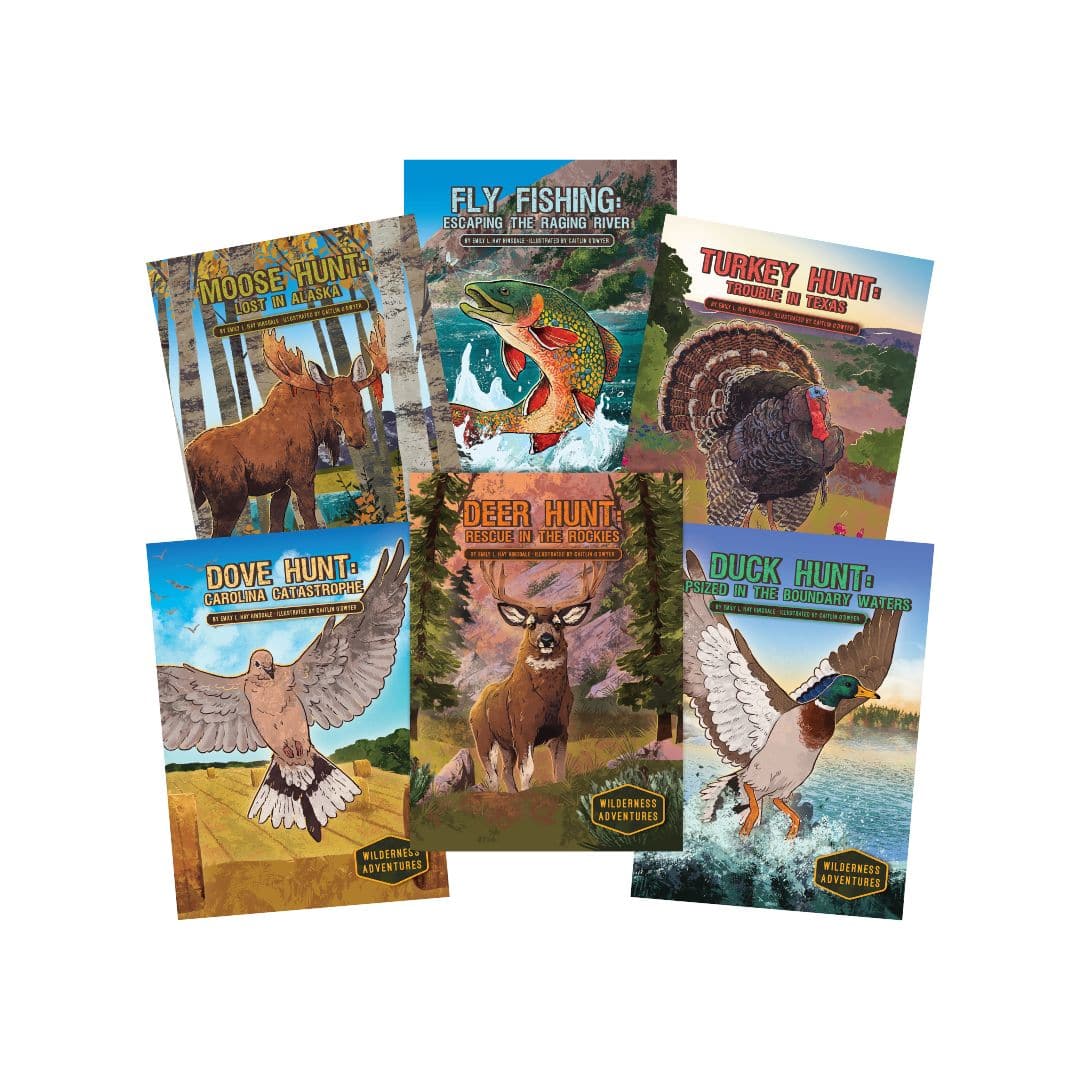
A child who loved beginner chapter books might now be ready for mysteries, camping adventures, sports stories, funny books, or fast-paced action.
Instead of asking, "How can I get my child to read?", ask a different question:
"What kind of story would make my child forget they're reading?"
Do they spend every weekend outside?
Find outdoor adventure stories.
Love sports?
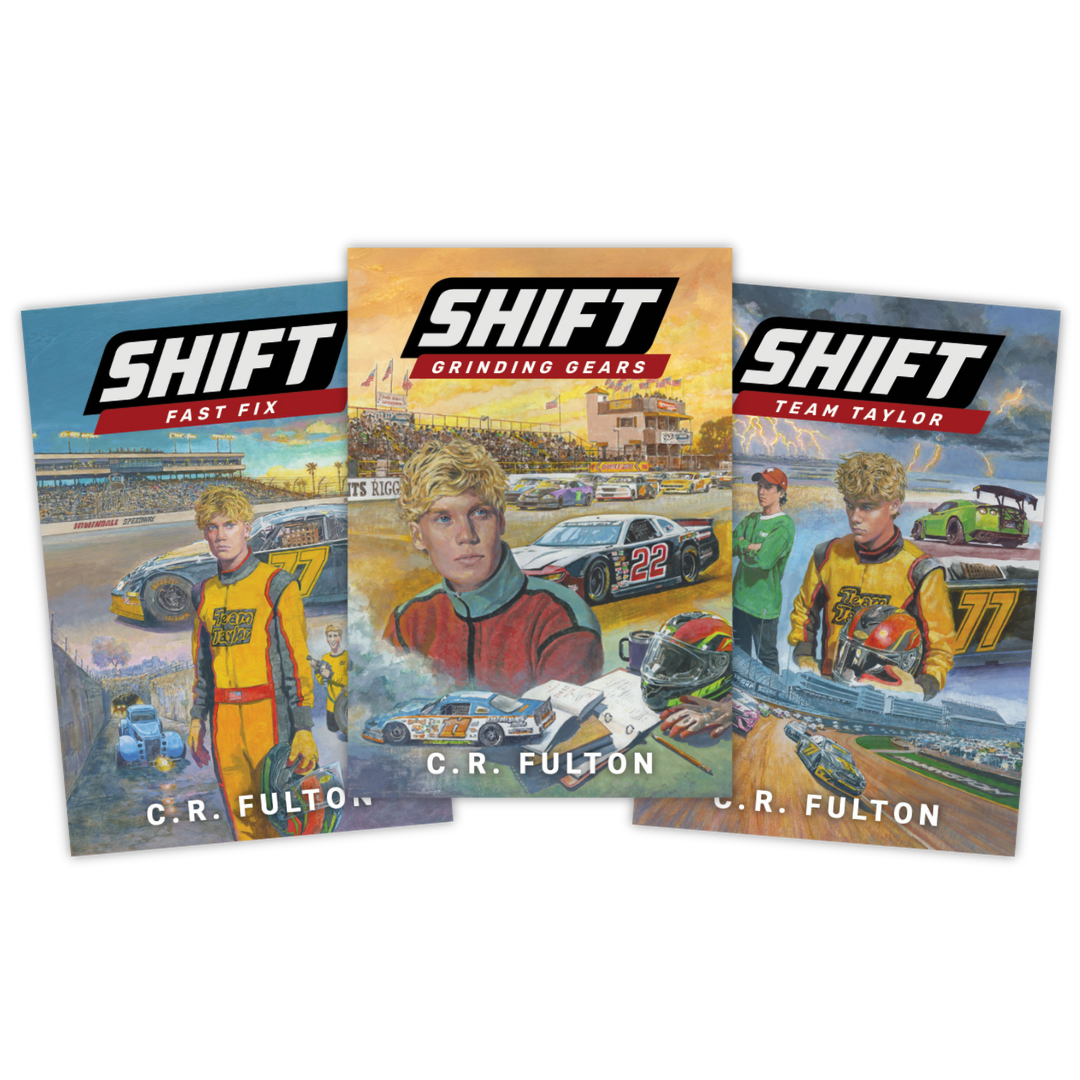
Choose books with athletes as the main characters.
Always asking questions about wildlife?
Look for mysteries that take place in nature.
The closer a book matches your child's interests, the easier it becomes for reading to feel like entertainment instead of homework.
Need some help finding the right kids chapter books? Take our quiz and get recommendations!
Sign #2: Reading Doesn't Sound as Smooth as It Used To
This sign often sneaks up on parents. Your child is still reading, but something sounds… different.
They're stopping more often. Guessing at unfamiliar words. Reading more slowly. Losing their place. Needing help with words they knew just a few months ago.
These are common signs that reading fluency is beginning to slip.
When children read regularly, they spend less energy figuring out each individual word and more energy understanding the story.
Without practice, that automatic rhythm starts to fade.
Even 15 minutes each evening can make a noticeable difference over the course of a Summer.
One of the easiest ways to keep reading enjoyable while ensuring your kiddo is progressing is to alternate pages.
You read one page.
Your child reads the next.
This simple technique keeps difficult books accessible while reducing frustration. It also lets children hear what fluent reading sounds like, giving them a model to imitate naturally.
Sign #3: They Finish a Chapter…But Can't Tell You What Happened
Sometimes kids are technically reading…
They're saying every word on the page.
They're turning the pages.
They finish the chapter.
But when you ask...
"So what happened?"
...you're met with a shrug.
"I don't know."
"I forgot."
"Nothing really."
This is often one of the clearest signs that the Summer Reading Slide is beginning to affect comprehension.
The problem usually isn't that your child can't understand the story. More often, they're distracted.
Summer is exciting. They're thinking about tomorrow's trip to the lake, who's coming over this afternoon, or whether they can squeeze in one more episode of their favorite show.
Fortunately, helping your child become a more engaged reader doesn't mean turning every chapter into a quiz.
In fact, that can have the opposite effect.
Instead, focus on conversations.
After reading together, ask questions that make reading feel like sharing an experience instead of taking a test.
Try asking things like:
-
"Who would you want as a friend in this story?"
-
"What do you think is going to happen next?"
-
"What would you have done differently?"
-
"Who made you laugh the most?"
-
"If you were there, what would you have packed?"
Questions like these encourage kids to think about the story naturally while helping strengthen comprehension without pressure.
You'll often be surprised how much more they remember once they're excited to talk about it!

Sign #4: Books Are Being Replaced by Screens Every Chance They Get
Let's be honest, screens usually win.
They're fast. They're colorful. They're interactive. And they're designed to grab attention immediately.
Books ask children to slow down, imagine, and stay focused.
That's not a fair competition.
But here's the encouraging part: Reading doesn't have to beat screen time. It just needs to become part of your family's routine.
Instead of saying, "You have to read before you can watch TV," try creating predictable reading moments that become part of the day.
-
Maybe everyone reads for 20 minutes after breakfast.
-
Maybe books come out during quiet time after lunch.
-
Maybe bedtime always ends with a chapter.
-
Maybe reading only happens on the porch with a popsicle in hand.
When reading becomes connected to positive family routines instead of punishment or negotiation, kids begin to expect it and enjoy it.
If screens seem to win every single day, don't be too hard on yourself. Technology is built to capture attention.
Rather than forcing books to compete, pair reading with things your child already loves.
-
Read in a hammock.
-
Read while camping.
-
Bring books to the beach.
-
Read under a tree at the park.
-
Pack a book for long car rides.
And over time, reading begins to feel like part of Summer, not separate from it.
Sign #5: They're Losing Confidence
This is possibly the most important sign of all.
Children rarely say,
"I think my reading skills are getting rusty."
Instead, you'll hear things like:
"This book is too hard."
"Can you read it instead?"
"I don't want to."
"I'm not good at reading."
Many parents mistake these comments for laziness. In reality, they're often signs of frustration.
When reading becomes just a little harder than it was a month ago, confidence starts to slip.
-
A child who used to breeze through chapters suddenly needs help with words.
-
They begin comparing themselves to classmates or siblings.
-
Reading starts feeling like something they're failing at instead of something they enjoy.
That's why choosing the right books matters so much. Books that are too difficult leave kids discouraged. Books that are too easy don't hold their attention.
What Happens If You Ignore the Summer Reading Slide?
Missing a few days of reading isn't a problem.
Neither is taking a family vacation without opening a book.
Summer is meant to be enjoyed!
But when weeks (or even months) go by without meaningful reading, the effects can become noticeable once school starts again.
Teachers usually spend the first several weeks of the school year reviewing concepts students had already mastered in the Spring. Kids who haven't read much over the Summer may need extra time to rebuild their reading stamina.
Books that once felt easy suddenly seem challenging.
Reading aloud becomes slower.
Comprehension takes more effort.
And perhaps most importantly, confidence can take a hit.
A child may begin believing they're "bad at reading" when really they're just out of practice.
Thankfully, this is one of the easiest learning setbacks to prevent.
A few enjoyable reading sessions each week can make all the difference!

A Simple 15-Minute Summer Reading Routine Any Family Can Stick To
Summer reading plans fail because they're too complicated.
Parents are busy.
Summer calendars fill up fast.
Sports, vacations, cookouts, family visits, and spontaneous adventures don't leave much room for hour-long reading sessions.
The positive? They don't have to.
Try this simple routine instead:
Step 1: Spend 2 minutes talking about the story.
Ask your reader what happened in the last chapter or what they think will happen next.
This gets their brain back into the story before they even begin reading.
Step 2: Read for 15–20 minutes.
Independent readers can read on their own.
Younger readers can alternate pages with a parent.
Either way, keep it relaxed.
If they're excited to keep reading, let them.
If they're ready to stop after 15 minutes, that's okay too.
The goal is consistency, not perfection.
Step 3: End with one fun question.
-
"What surprised you?"
-
"What was your favorite part?"
-
"Who made you laugh?"
-
"If you could join the adventure, what would you do?"
These simple conversations help stories stick while making reading something your family enjoys together.
No worksheets.
No book reports.
No pressure.
Just stories.
Why Series Books Keep Kids Reading All Year Long
One of the biggest obstacles to Summer reading isn't actually reading. It's starting.
Every new book asks kids to learn new characters, new settings, and a brand-new story. That takes effort.
Series chapter books remove that obstacle.
Once children fall in love with a group of characters, every new book feels like reconnecting with old friends. Instead of wondering if they'll enjoy the next story, they're eager to discover what happens next.
For example, with The Campground Kids, readers follow Isaiah, Sadie, Ethan, and Poppa as they solve mysteries and explore some of America's most incredible parks and outdoor destinations. Each adventure introduces exciting locations, fascinating history, memorable characters, and just enough mystery to keep kids turning the page.
Parents often notice something special happens after the first book.
Instead of reminding their child to read...
Their child starts asking,
"Can we get the next one? I want to see what Ethan does next!"
That's the kind of momentum every parent hopes for.
Because once reading becomes something kids look forward to, preventing the Summer Reading Slide becomes much easier.
Summer Doesn't Have to Mean Losing Reading Progress
Summer should be filled with bike rides.
Campfires.
Swimming.
Late nights.
Family vacations.
Books don't have to compete with those memories.
They can become part of them.
Some of the most memorable reading moments don't happen at a desk.
They happen inside a tent with a flashlight. Curled up in a hammock.
Waiting for fireworks to begin.
In the backseat during a long road trip.
Or sitting beside a campfire after a day of exploring.
Frequently Asked Questions About Summer Reading
At what age does the Summer Reading Slide begin?
Kids of all ages can experience Summer learning loss, but it's often most noticeable in elementary school (grades 1-5) when reading skills are developing rapidly.
Can audiobooks help prevent the Summer Reading Slide?
Absolutely! Audiobooks build vocabulary, listening comprehension, and a love of stories. While they shouldn't completely replace independent reading, they're an excellent option for road trips, quiet time, or reluctant readers.
Should kids reread books they've already finished?
Yes! Rereading favorite books improves fluency, boosts confidence, and helps kids notice details they may have missed the first time.
What kinds of books are best for Summer reading?
Adventure stories, mysteries, sports books, camping stories, animal adventures, funny chapter books, and engaging series are all great choices because they encourage kids to keep turning the pages.
Why are book series so effective for young readers?
Series books eliminate the challenge of starting over with new characters every time. Once kids connect with familiar characters, they're often eager to keep reading the next adventure, making it easier to build a lasting reading habit.